

Sri Lanka's cultural landscape is one of the most layered in South Asia. A small island with more than two millennia of recorded history, it holds six UNESCO World Heritage Sites, a tradition of Buddhist scholarship that predates many European nations, and a living mosaic of Sinhala, Tamil, Moor, and Burgher communities, each with distinct rituals, cuisines, and artistic traditions. A well-planned cultural tour here moves beyond monument-ticking: it connects you with the beliefs, festivals, and everyday rhythms that give those monuments meaning.
What does a cultural tour of Sri Lanka cover?
Most cultural itineraries are anchored in the Cultural Triangle — the roughly triangular zone in the north-central plains enclosed by Anuradhapura, Polonnaruwa, and Kandy. This region was the heartland of successive Sinhalese kingdoms and contains the densest concentration of archaeological sites on the island.
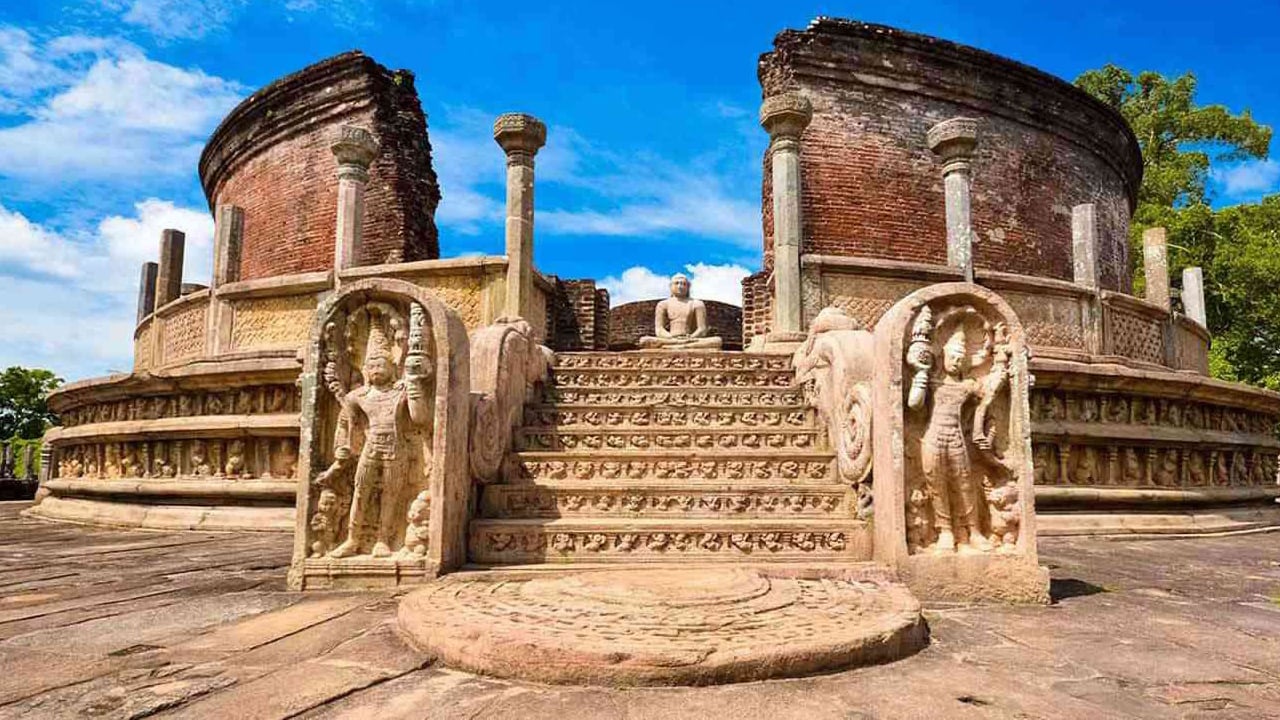
- Anuradhapura — Sri Lanka's first capital, inhabited continuously for over a thousand years, with sacred Bodhi tree, dagobas, and monastic complexes spread across a vast archaeological park.
- Polonnaruwa — The medieval capital from the 11th to 13th century; its compact ruins include the Gal Vihara rock sculptures and a largely intact royal palace complex.
- Sigiriya — A 5th-century royal citadel perched atop a 200-metre granite outcrop, known for its frescoes, mirror wall, and water gardens. For a broader picture of the area, the Sigiriya rock fortress guide offers detailed background before you visit.
- Dambulla — A living cave temple complex where five rock-cut shrines house more than 150 Buddha statues and some of the finest ancient ceiling paintings in the region.
- Kandy — The last royal capital and the spiritual centre of Theravada Buddhism in Sri Lanka, home to the Temple of the Tooth Relic. A Kandy city tour typically pairs the temple with the Peradeniya Botanical Gardens and the National Museum.
Which festivals should a cultural traveller plan around?
Sri Lanka's festival calendar is genuinely multi-religious and worth planning an itinerary around. Unlike a static heritage site, a festival shows culture alive and participatory.
- Vesak (May, full moon) — The most important Buddhist festival, marking the birth, enlightenment, and passing of the Buddha. Streets across the country are lit with lanterns and oil lamps; free food and entertainment stalls (dansalas) open everywhere.
- Poson (June, full moon) — Commemorates the introduction of Buddhism to Sri Lanka. Mihintale, near Anuradhapura, receives hundreds of thousands of pilgrims overnight.
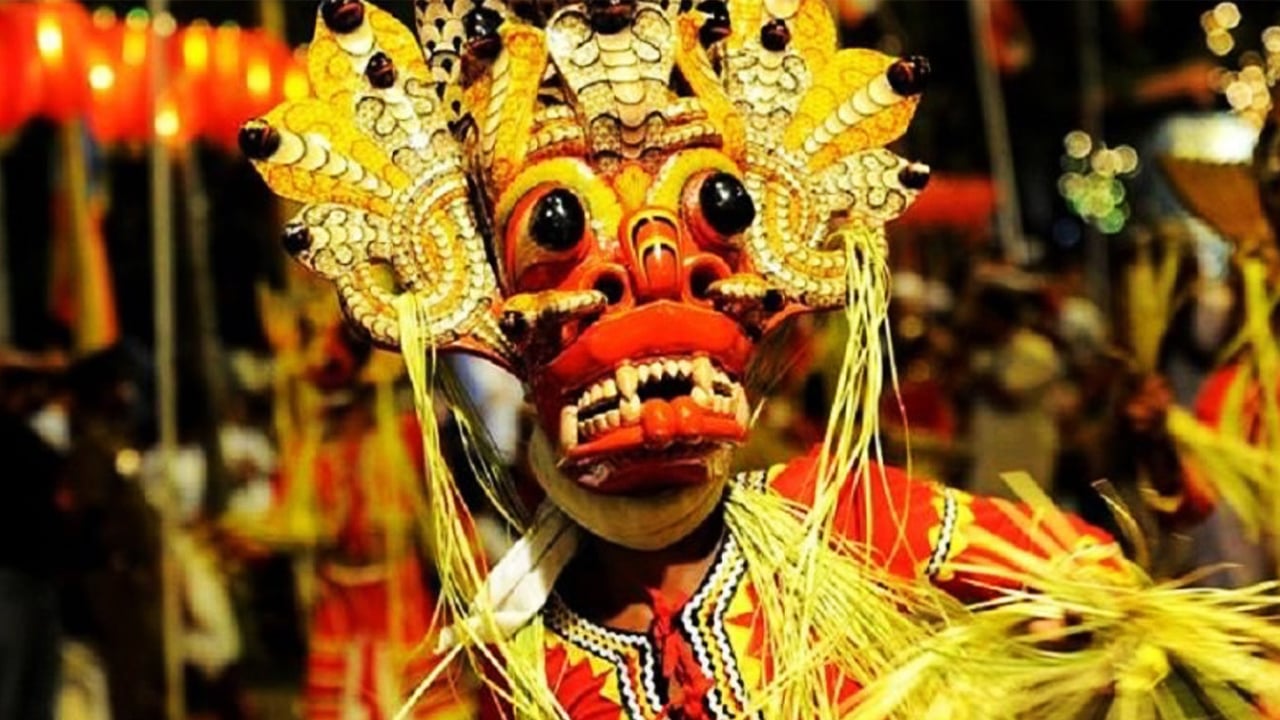
- Esala Perahera — The grand Kandy procession, held over ten nights in July or August, features elaborately costumed elephants, drummers, fire dancers, and whip crackers. It is widely considered the largest annual pageant in Asia.
- Nallur Kandaswamy Festival — A 25-day Hindu festival held in Jaffna, drawing Tamil devotees from across the island and the diaspora. Chariot processions and firewalking are central rituals.
- Sinhala and Tamil New Year (April) — A shared new year celebration observed by both Sinhala and Tamil communities, involving rituals tied to specific auspicious times, traditional games, and ceremonial foods.
- Eid al-Fitr and Eid al-Adha — Celebrated by the Muslim community, with particular concentration in Colombo's Pettah district, Beruwala, and Kattankudy.
What are the key religious sites beyond the Cultural Triangle?
Cultural tourism in Sri Lanka extends well beyond the north-central plains. The island's multi-faith character means significant sites are distributed across every region.
Buddhist: Sri Pada (Adam's Peak) is a sacred mountain drawing pilgrims of multiple faiths during the pilgrimage season from December to May. Buduruwagala in the south features seven rock-cut figures dating to the 8th or 9th century. Stupas — the hemispherical reliquary monuments — appear in virtually every town.
Hindu: Munneswaram near Chilaw and Koneswaram in Trincomalee are among the most revered kovils outside Jaffna. The Nainativu Nagapooshani Amman temple, accessible only by boat through the Jaffna lagoon, draws large numbers of devotees.
Catholic and Christian: The basilica at Madhu in Mannar is the most important Marian shrine in Sri Lanka. St Anthony's Church in Colombo's Kochchikade neighbourhood draws devotees of all faiths every Tuesday.
Mosque: Colombo's Meera Makam Mosque in Kandy and the Jami Ul-Alfar Mosque in Pettah are architectural landmarks as well as active places of worship.
How does Sri Lanka's cultural heritage differ by region?
The island is not culturally uniform, and a north-to-south journey reveals distinct regional identities.
| Region | Cultural character | Key highlights |
|---|---|---|
| North-central plains | Ancient Sinhalese Buddhist kingdoms | Anuradhapura, Polonnaruwa, Sigiriya, Dambulla |
| Kandy highlands | Kandyan court culture, crafts, dance | Temple of the Tooth, Esala Perahera, Kandyan dance performances |
| Jaffna peninsula | Tamil Hindu traditions | Nallur Kandaswamy temple, colonial Dutch fort, Jaffna library |
| South coast and Galle | Dutch colonial heritage, maritime trade history | Galle Fort (UNESCO), cinnamon gardens, stilt fishermen |
| Colombo and western coast | Colonial, cosmopolitan, multi-ethnic | Pettah market, Gangaramaya temple, Portuguese and Dutch forts |
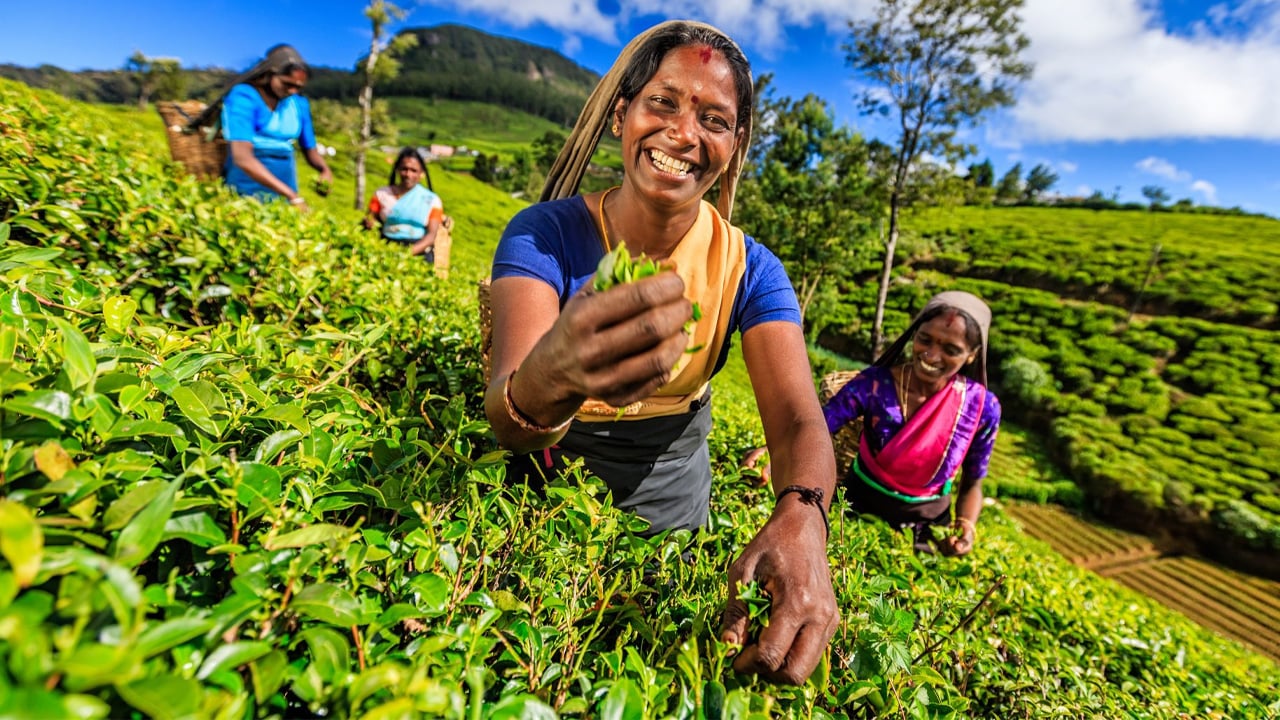
| Tea country (central hills) | British colonial plantation culture, Tamil estate communities | Tea factory visits, colonial-era estates, mountain rail journey |
A Colombo city tour is a practical entry point for first-time visitors — the capital compresses many of the island's cultural threads into a single walkable area.
What traditional arts and crafts can visitors experience?
Sri Lanka's artisan traditions are not museum pieces. Visitors can watch and participate in many of them during a cultural tour.
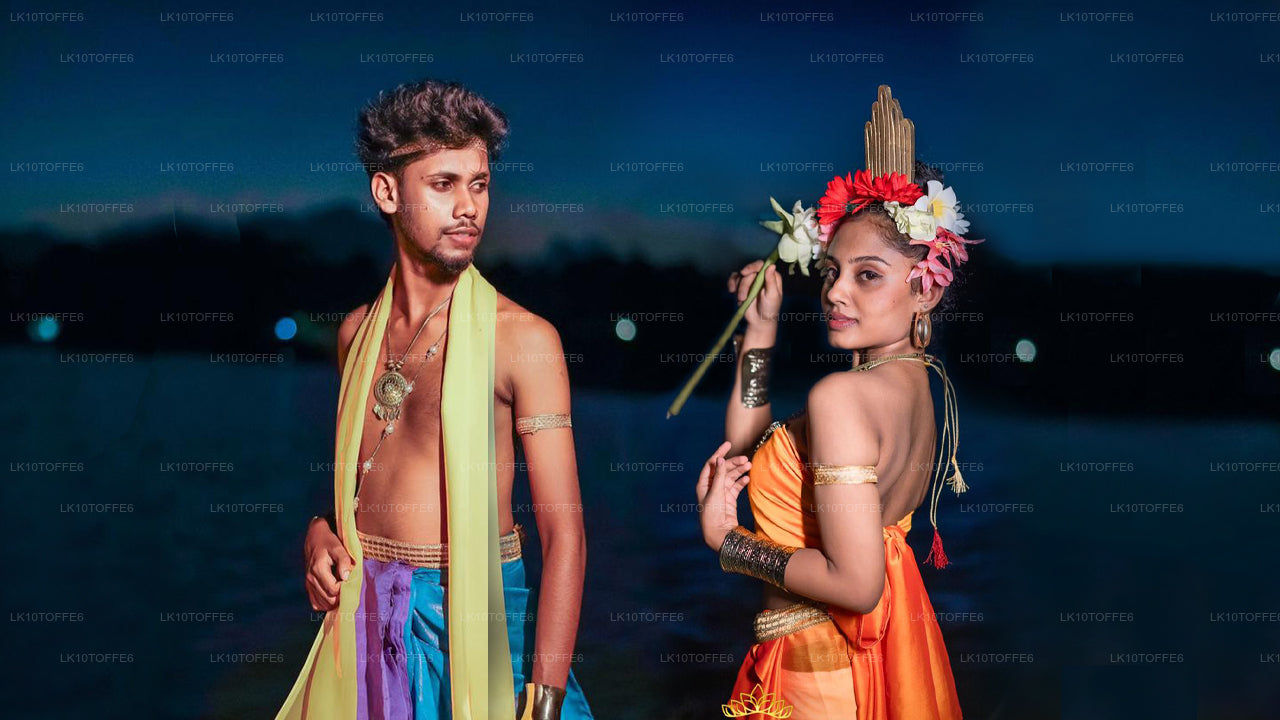
- Kandyan dancing and drumming — Nightly performance shows in Kandy provide an accessible introduction; more serious students can arrange lessons through specialist cultural programmes.
- Mask carving — Centred in Ambalangoda on the south coast, where the tradition of producing ceremonial devil-dance masks continues in family workshops that accept visitors.
- Beeralu lace-making — A craft introduced by the Portuguese, now concentrated in the Galle district.
- Batik and handloom weaving — Found across the island; the Dumbara mat-weaving tradition in Kandy and the silk weaving of Matale are particularly notable.
- Kitul tapping — The harvesting of kitul palm sap to produce treacle and jaggery is a living rural craft still practised in the hill country and southern interior.
How do I get the most from a cultural tour in Sri Lanka?
A few practical considerations shape the quality of a cultural itinerary.
Dress code: Shoulders and knees must be covered at all Buddhist, Hindu, and Muslim religious sites. Lightweight cotton wraps are practical and can be purchased inexpensively near most temple entrances.
Timing: Poya (full-moon) days are public holidays and the busiest days at Buddhist sites. Visiting early in the morning — ideally before 8 a.m. — avoids tour-group crowds at Sigiriya, Dambulla, and Anuradhapura.
Guides: Qualified Sri Lanka Tourism Development Authority (SLTDA) guides add context that site signage rarely provides. For language-specific needs, Lakpura can arrange Spanish-speaking drivers and guides and other language options.
Itinerary sequence: Most travellers move in a circular route — flying into Colombo, heading north to Anuradhapura, then east to Polonnaruwa, south to Sigiriya and Dambulla, then Kandy, the hill country, and the south coast before returning to Colombo. This avoids doubling back and gives a logical cultural progression from the ancient to the colonial.
Related reading
12 pages on closely related subjects.