Jaffna is unlike anywhere else in Sri Lanka. The northernmost major city on the island carries centuries of Dravidian heritage, Dutch colonial history, and a resilient local culture that has shaped a character entirely its own. A city tour here means moving between ancient Hindu kovils, crumbling Portuguese and Dutch fortifications, bustling local markets, and calm lagoon shores — all within a compact, walkable urban core fringed by flat agricultural land and a scattering of interconnected islands.
What can you see on a Jaffna city tour?
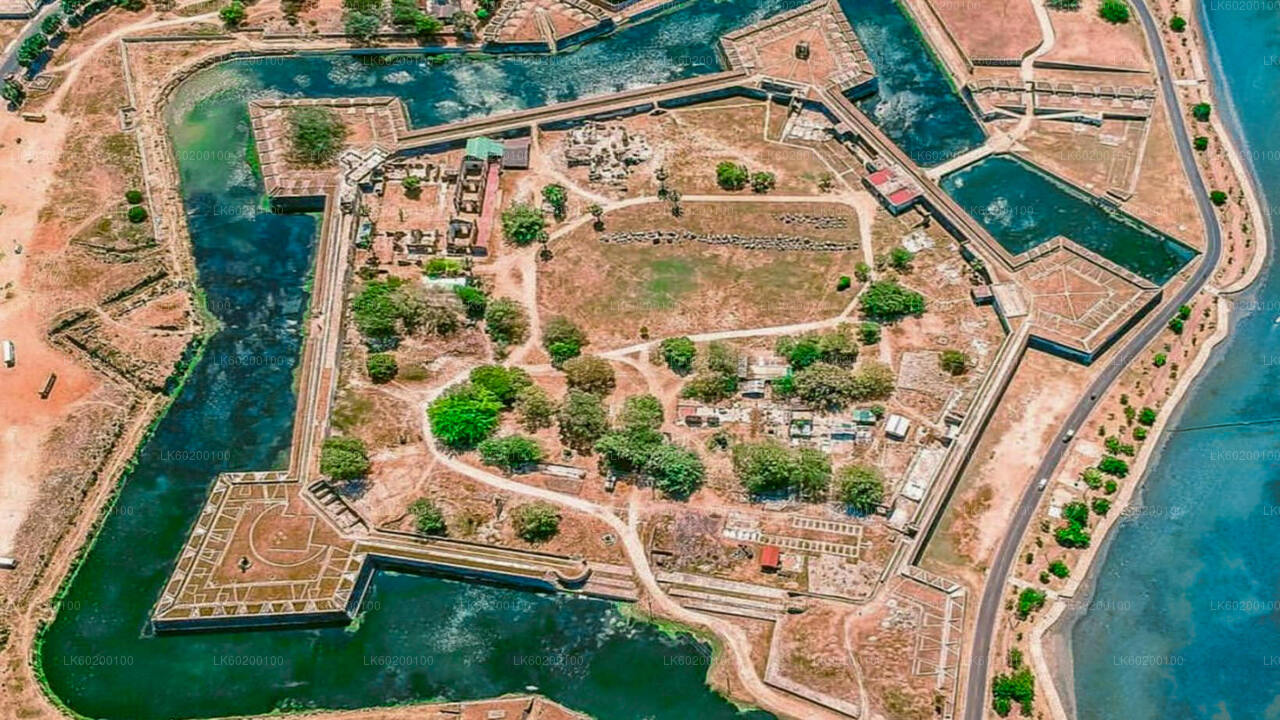
The Jaffna Fort is the natural starting point for most tours. Originally built by the Portuguese in the early 17th century and later expanded by the Dutch, it is one of the largest and best-preserved colonial forts in South Asia. Its thick star-shaped ramparts overlook the lagoon, and the gatehouse and church ruins inside give a clear sense of the city's layered past.
A short distance away, the Nallur Kandaswamy Kovil is the spiritual heart of the city. This grand Hindu temple, dedicated to the deity Murugan, draws pilgrims from across the north and from the Tamil diaspora worldwide. The golden gopuram (gateway tower) is visible from some distance, and the interior courtyard is open to respectful visitors of all backgrounds. Dress codes apply — a sarong wrap is available at the entrance.
The Jaffna Public Library, rebuilt after its devastating destruction in 1981 and reopened in 2003, is both a civic landmark and a symbol of cultural recovery. Its distinctive white Indo-Saracenic architecture is photographed by almost every visitor. The Jaffna Archaeological Museum, housed in a Dutch-period building nearby, holds artefacts spanning from the prehistoric Mesolithic period through the colonial era and is well worth an hour of your time.
Local markets — particularly the Jaffna Central Market — offer a grounded, unglamorous look at daily life in the north. Dried fish, palmyra products, local vegetables, and handmade crafts fill the stalls. The palmyra palm is the defining tree of the Jaffna landscape, and its products — from toddy and jaggery to woven baskets — appear throughout the market.
Which islands near Jaffna are worth visiting?
Jaffna sits at the edge of a lagoon dotted with small islands connected by causeways and ferry crossings. Nagadeepa Island (Nainativu) is the most significant, home to the Nagapooshani Amman Kovil — a revered Hindu shrine — and a Buddhist temple said to mark a site visited by the Buddha himself. Reaching it involves a short boat ride from Kurikadduwan jetty, which adds to the sense of occasion.
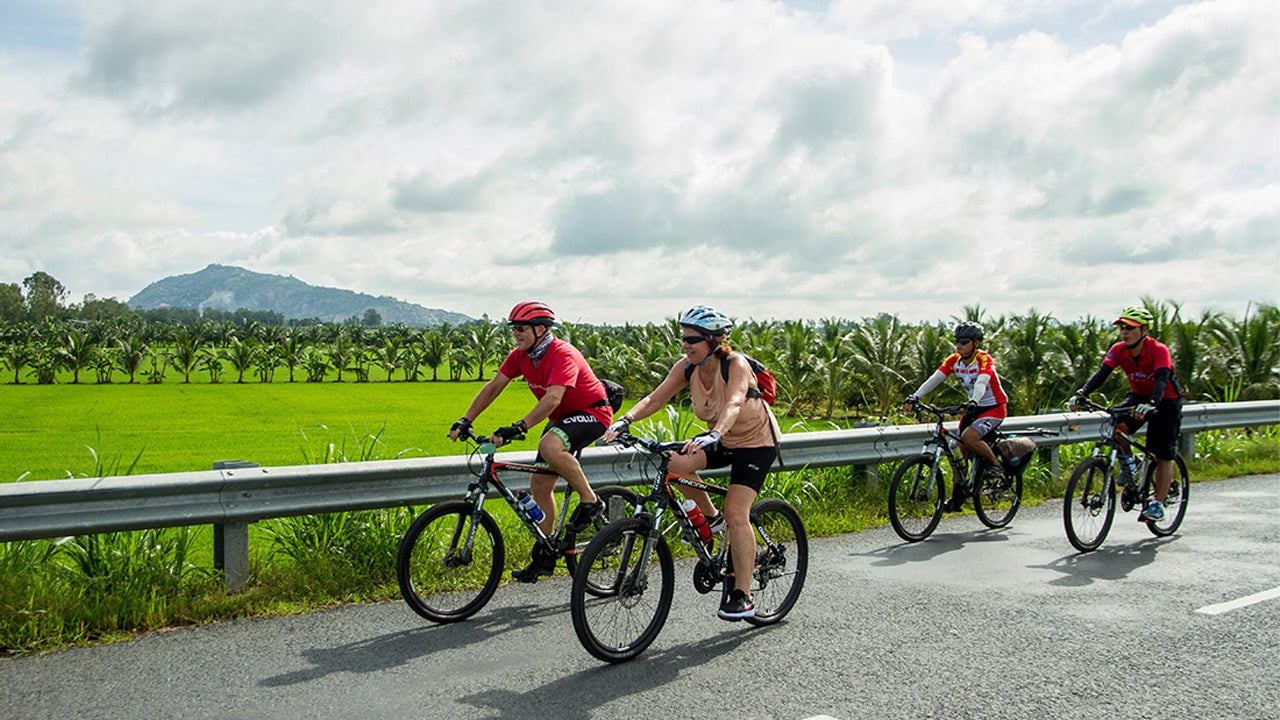
Velanai Island is accessible by causeway and offers a quieter, more rural contrast to the city. Cycling through its palmyra-lined roads and fishing settlements gives a feel for the unhurried pace of island life in the Jaffna Peninsula. Both Nagadeepa and Velanai make excellent half-day extensions to a full city tour.
How do I get to Jaffna from Colombo?
The most comfortable overland option is the Yal Devi express train, which runs between Colombo Fort station and Jaffna — the journey takes around six to seven hours and passes through the dry zone scrubland of the north-central province. Domestic flights from Colombo's Bandaranaike International Airport to Palaly Airport in Jaffna are available and cut the journey to under an hour, though schedules can be limited. Private chauffeur-driven transfers are also popular for those who prefer flexibility and door-to-door service.
When is the best time to visit Jaffna?
The dry season in Jaffna runs roughly from May through September, when the southwest monsoon that drenches the rest of Sri Lanka passes well south of the peninsula. This is generally the most comfortable period for sightseeing. The northeast monsoon brings rain to Jaffna between about October and January, though showers are often brief and shouldn't deter a visit. The major annual festival, the Nallur Festival, takes place over 25 days in the Tamil month of Aavani (typically August), drawing large crowds and offering a rare window into traditional religious observance.
What is Jaffna's local food like?
Jaffna cuisine is distinctly spicier and more aromatic than food in southern Sri Lanka, with a strong Tamil influence and heavy use of fresh seafood. Jaffna crab curry — cooked in a dark, tamarind-based gravy with black pepper and coconut — is the dish most visitors seek out. Pittu (steamed cylinders of rice flour and coconut) and string hoppers are common breakfast staples. Local bakeries produce distinctive snacks made with palmyra products. Most restaurants are small, family-run affairs; the city has a handful of guesthouses with well-regarded dining rooms that cater to travellers.
Is Jaffna safe for tourists?
Jaffna is considered safe for independent and guided travel. The city has seen significant infrastructure investment since the end of the civil conflict in 2009, and tourism facilities — hotels, roads, and communications — have improved steadily since. Travellers should be respectful when visiting kovils and other places of worship, follow dress guidelines, and ask permission before photographing religious ceremonies or community gatherings. The local population is generally welcoming of visitors who approach with genuine curiosity and courtesy.
How does a Jaffna city tour from the seaport work?
If you are arriving in Jaffna aboard a cruise ship or passenger ferry, a city tour can be arranged directly from the seaport. A private vehicle and English-speaking guide will meet you at the pier and cover the main landmarks — the fort, Nallur Kovil, the library, the archaeological museum — within the time available between arrival and departure. Lakpura can arrange tours timed precisely to vessel schedules, including options that combine the city with a lagoon island excursion.
For travellers interested in exploring northern Sri Lanka more broadly, Wilpattu National Park lies roughly two hours south of Jaffna and is one of the island's oldest and most atmospheric wildlife reserves — a natural addition to any itinerary that begins in the peninsula.
Nearby places
13 places within about 25 km, nearest first.
- Jaffa Portunder 1 km
- Jaffna Cityunder 1 km
- Jaffna Districtunder 1 km
- Jaffna Railway Stationunder 1 km
- Jaffna Universityunder 1 km
- Maninthalei Shivam Kovilunder 1 km
- North Coastunder 1 km
- Northern Provinceunder 1 km
- Sri Lanka northern coastlineunder 1 km
- Sri Lanka Tamilsunder 1 km
- Sri Nagavihara International Buddhist Centreunder 1 km
- Tissa Rajamaha Viharaya, Jaffnaunder 1 km
- Rio Ice Cream Jaffnaunder 1 km
Related reading
2 pages on closely related subjects.