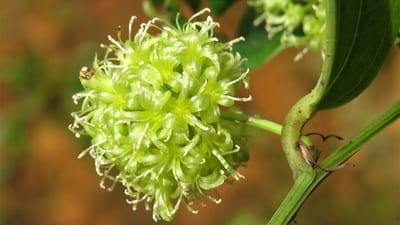
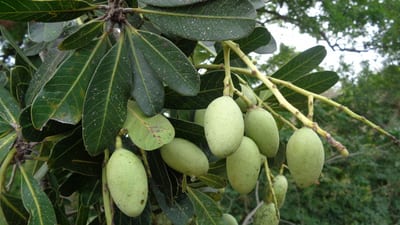
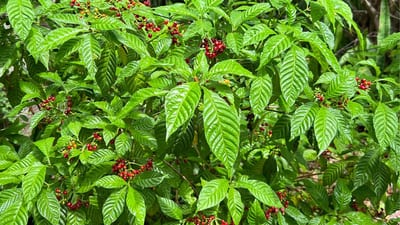
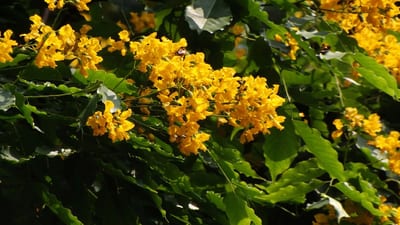
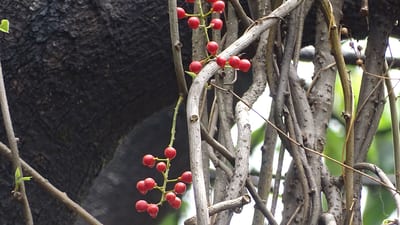
Casearia zeylanica is a native Sri Lankan plant belonging to the family Flacourtiaceae, known locally as Wal waraka. It appears in Lakpura's indigenous plant register as a species of least conservation concern, with no edible parts recorded.
What family does Casearia zeylanica belong to?
Casearia zeylanica is classified under the family Flacourtiaceae, a group of flowering plants traditionally recognised for woody shrubs and trees found across tropical and subtropical regions. Many members of this family are evergreen and bear small, inconspicuous flowers followed by capsule-like fruit.
Where does Casearia zeylanica grow?
This species is recorded as native to Sri Lanka, meaning it occurs naturally within the island's flora, though it is not necessarily confined to Sri Lanka alone. It forms part of the broader plant diversity documented across the country's varied ecosystems, which range from lowland forests to wetter hill regions. Readers interested in the island's wider plant and animal life can explore Lakpura's overview of Sri Lankan nature.
What is it called in Sinhala and Sanskrit?
In Sinhala, Casearia zeylanica is known as Wal waraka (වල් වරකා). In Sanskrit, it carries the name Saptachakra. These names are recorded identifiers rather than indications of any particular use, and the Sanskrit name should be understood simply as a historical naming convention.
What is its conservation status?
According to the National Conservation Status list of Sri Lanka (2012), Casearia zeylanica is assessed as Least Concerned. This designation indicates that the species is not currently considered at risk of extinction based on available national data.
Are any parts of Casearia zeylanica edible?
No edible parts are recorded for this species. It should not be considered a food plant.
| Attribute | Recorded detail |
|---|---|
| Scientific name | Casearia zeylanica |
| Family | Flacourtiaceae |
| Sinhala / local name | Wal waraka (වල් වරකා) |
| Sanskrit name | Saptachakra |
| Status in Sri Lanka | Native |
| Conservation status (NCS 2012) | Least Concerned |
| Edible parts | None |