Arisimale Beach sits about 50 km north of Trincomalee, tucked away near the small town of Pulmude on Sri Lanka's East Coast. It sees a fraction of the visitors that flock to Nilaveli or Uppuveli, which makes it one of the more rewarding finds for travellers willing to venture a little further up the coast. The journey itself — passing lagoons, fishing hamlets, and stretches of coastal scrub — is part of the appeal.
Why is it called Arisimale Beach?
The name comes from two Tamil words: arisi, meaning rice, and malai, meaning mountain. Together they translate loosely as 'Mountain of Rice' — a description that refers not to the landscape, but to the sand itself. The grains here are unusually coarse, noticeably larger than at most Sri Lankan beaches, and closely resemble individual rice seeds in size and shape. Run a handful through your fingers and the difference from ordinary fine sand is immediately clear. This geological quirk is the defining characteristic of the beach and the reason it carries its distinctive name.
What is the beach like?
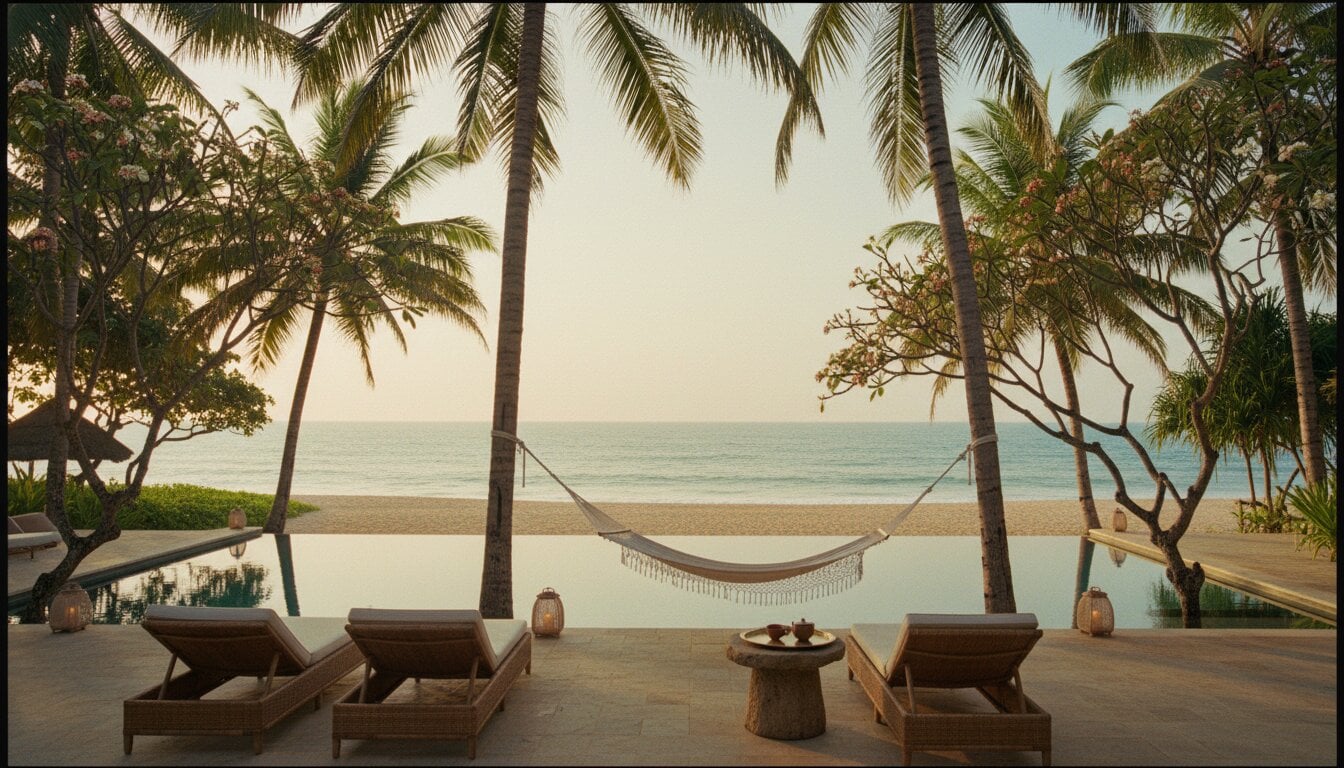
Arisimale is a quiet, relatively undeveloped stretch of coastline. The water along the northern East Coast is generally calm and clear between May and September, when the southwest monsoon keeps the western and southern coasts rougher. During those months the sea here tends to be flat enough for swimming and wading, with good visibility beneath the surface. Outside the calm season — roughly October through January — the northeast monsoon can bring swells and choppier conditions, so it is worth checking local weather before visiting.
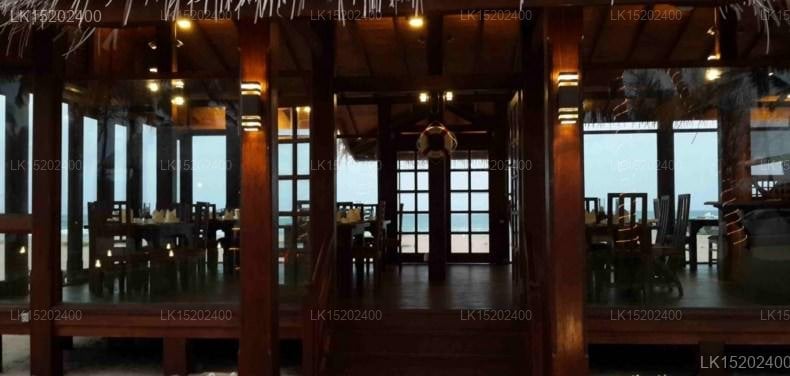
The beach is lined with coastal vegetation rather than resort infrastructure. There are no large hotels immediately on the sand, and facilities are minimal. Visitors should bring their own water, sunscreen, and anything else they need for a half-day visit. That absence of crowds and commerce is precisely what draws those who make the effort to reach it.
What wildlife might I see near Arisimale?
The coastal and scrub habitat around Pulmude supports birdlife typical of Sri Lanka's dry zone north, including waders along the waterline and raptors over the scrub. The sea itself along this stretch is part of a coastline known for marine biodiversity. Pigeon Island, a designated marine national park a short distance to the south near Nilaveli, offers some of Sri Lanka's best reef snorkelling and gives a sense of the underwater richness of this part of the coast. While Arisimale itself does not have a formal marine reserve, the water clarity during the calm season makes casual snorkelling worthwhile.
How do I get to Arisimale Beach from Trincomalee?
The beach lies roughly 50 km north of Trincomalee town along the coastal road through Nilaveli and Pulmude. By private vehicle the drive typically takes around an hour, depending on road conditions. There is no regular public bus service that stops at the beach itself, so the most practical option is a hired car or tuk-tuk from Trincomalee. Road quality on this stretch is generally reasonable, but sections can deteriorate after heavy rain. Combining Arisimale with a stop at Nilaveli or the Pigeon Island ferry point makes for a logical day itinerary on the northern East Coast.
When is the best time to visit Arisimale Beach?
The East Coast's dry season runs broadly from May to September, when skies are clear and the sea is calm. This window is the most reliable for swimming and enjoying the beach in comfort. April and October can be transitional months with unpredictable weather. The northeast monsoon, which affects the East Coast from around November through January, brings rain and rougher seas, making beach visits less pleasant. If you are planning a broader East Coast itinerary — combining Trincomalee, Nilaveli, and Arisimale — May through August is the safest planning window.
What else is there to do in the Trincomalee area?
Trincomalee itself offers a range of attractions: the Koneswaram Temple perched on Swami Rock, Fort Frederick, and a natural harbour considered one of the finest in Asia. The coastline south of Trincomalee — including Nilaveli and Uppuveli — has more established beach infrastructure with guesthouses, restaurants, and dive operators. For those with a longer East Coast itinerary, deep-sea fishing trips are available from several points along this coast, taking advantage of the productive waters of the Bay of Bengal. Inland, the dry-zone forests and tank (reservoir) systems of the North Central Province are within half a day's drive.
Is Arisimale Beach suitable for families?
During the calm season the sea conditions are generally gentle enough for older children and confident swimmers. However, the lack of lifeguards, facilities, and shade structures means parents should plan accordingly — bring shade, drinking water, and appropriate sun protection. The beach is not recommended for very young children or non-swimmers when there is any swell, as there is no infrastructure for emergencies. Its appeal is primarily to independent travellers and those looking for an offbeat natural attraction rather than a family resort environment.
Nearby places
10 places within about 25 km, nearest first.
Related reading
3 pages on closely related subjects.