
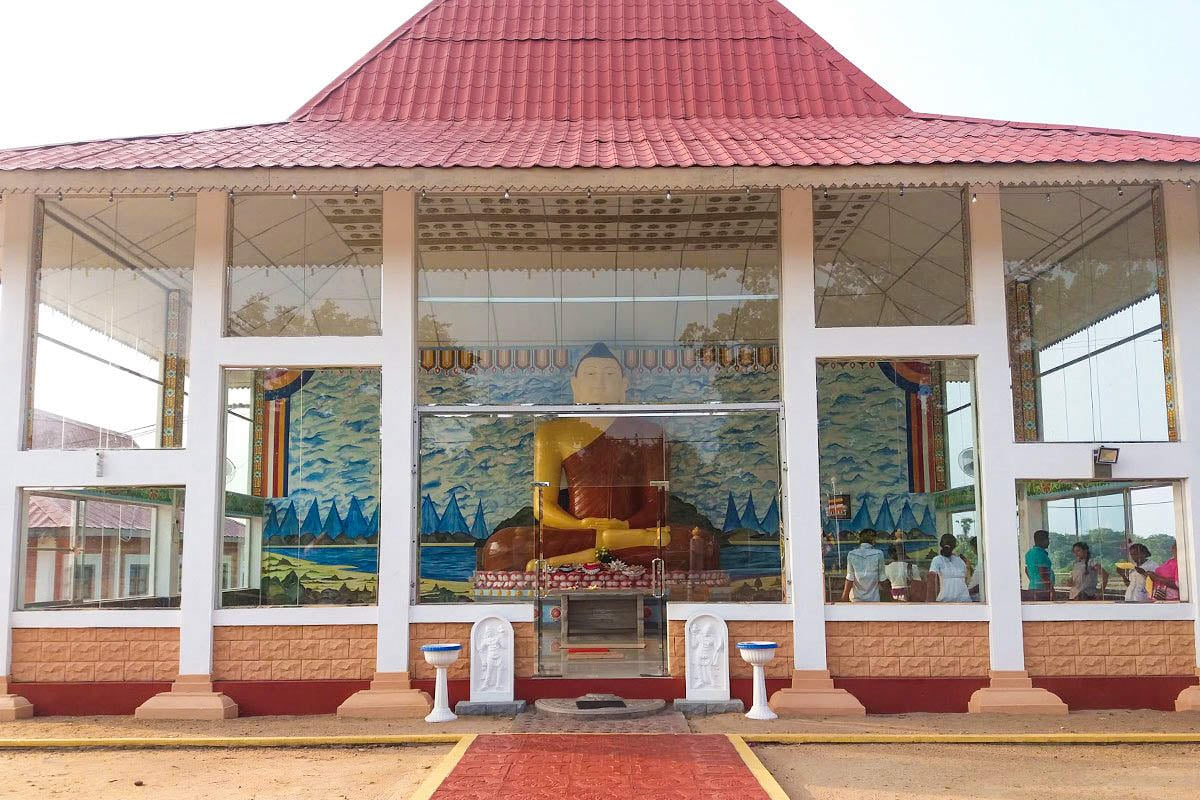
Velgam Vehera stands among the oldest Buddhist temples in Sri Lanka, predating many of the more frequently visited heritage sites in the Cultural Triangle. Situated close to Trincomalee on the island's northeastern coast, the site is believed to have been established during the 3rd century BCE, during the reign of King Devanampiya Tissa — the same monarch credited with introducing Buddhism to Sri Lanka. For anyone with a serious interest in the country's early religious history, Velgam Vehera deserves a place on the itinerary.
What makes Velgam Vehera historically significant?
Few temples in Sri Lanka so clearly reflect the commingling of Sinhalese and Tamil Buddhist traditions. The architectural fabric of the site draws on both Sinhalese and Dravidian styles — a physical record of the cultural exchanges that shaped the northeast over more than two millennia. Stone inscriptions in both Sinhala and Tamil have been found here, pointing to a period when the temple served devotees from both communities simultaneously.
This dual heritage is not incidental. During periods of conflict between regional kingdoms, Velgam Vehera functioned as a refuge and a shared sacred space. The Tamil inscriptions in particular are rare epigraphic evidence that Tamil Buddhists were an active presence at the site, a fact that adds nuance to the broader narrative of Sri Lankan religious history. Scholars and archaeologists continue to study the inscriptions for what they reveal about early medieval land grants, ritual practices, and the administrative structures of the time.
Visitors with an interest in comparable ancient structures elsewhere in Sri Lanka may find it useful to read about Sri Lankan stupas to better understand the architectural context of what survives at Velgam Vehera.
What can you see at Velgam Vehera?
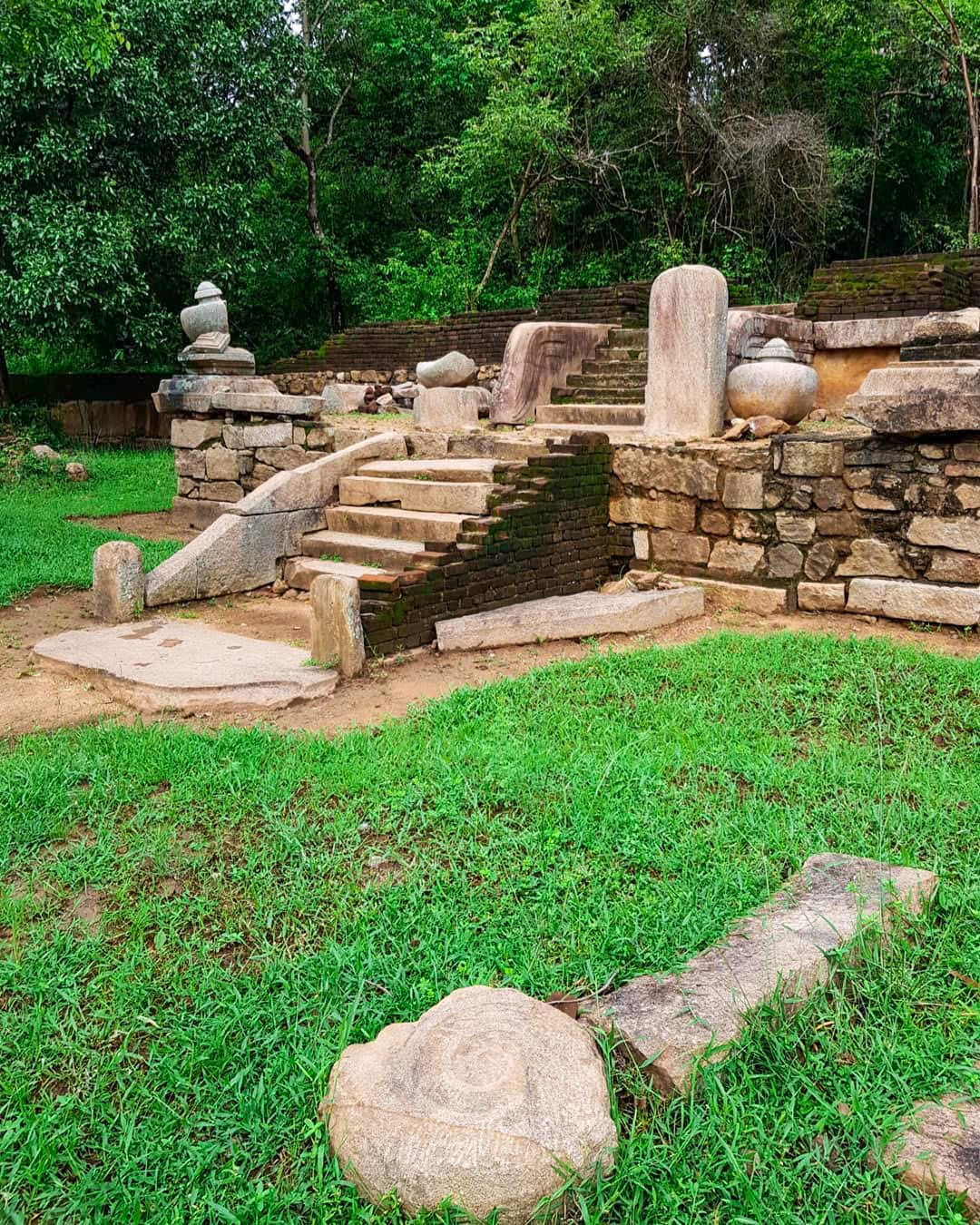
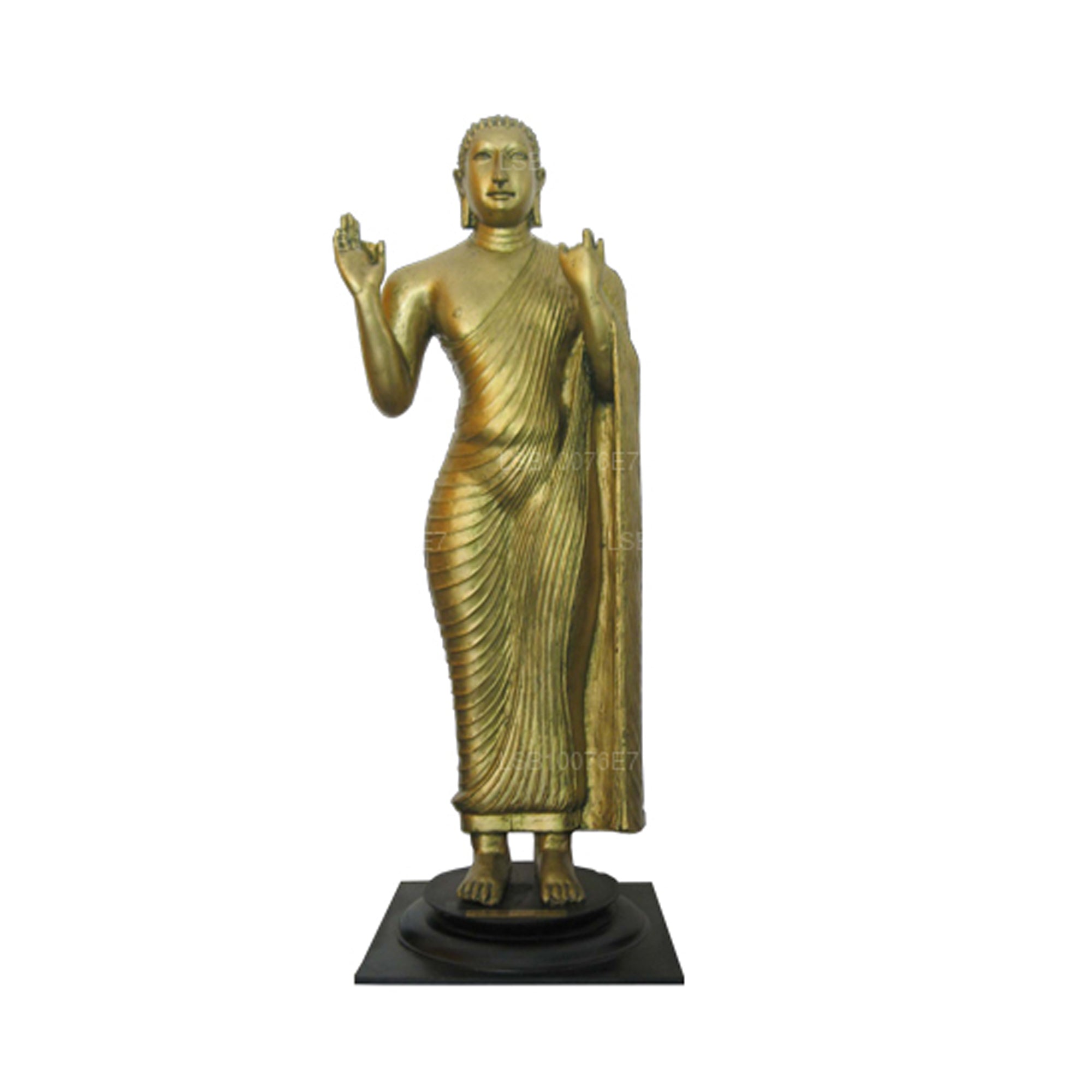
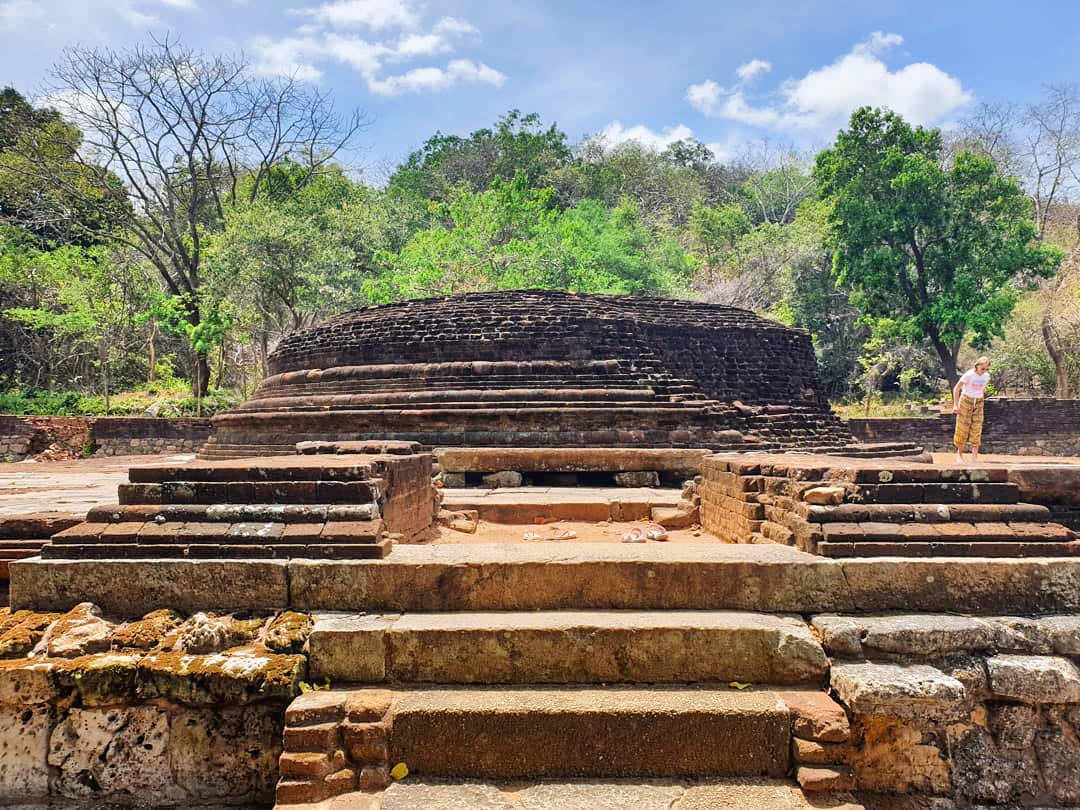
The physical remains at the site include ancient dagobas (stupas), carved stone pillars, and Buddha statues in varying states of preservation. The main stupa retains enough of its original form to convey the scale and ambition of its builders. Surrounding structures — meditation platforms, image houses, and the remnants of monastic quarters — fill out the picture of what was once a substantial religious complex.
The stone carvings deserve close attention. Decorative motifs blend iconographic traditions from both the Sinhalese Buddhist canon and South Indian temple sculpture, making Velgam Vehera a genuinely unusual example of syncretic religious art. The landscape setting reinforces the contemplative character of the place: the temple grounds are shaded by mature trees, and the ambient noise level is low, even during peak visiting hours.
Is Velgam Vehera active as a place of worship today?
Yes. The site is an active pilgrimage destination, and visitors should be respectful of ongoing religious observance. Dress modestly — shoulders and knees covered — and remove footwear before entering any shrine area. Photography is generally permitted in outdoor areas, but it is courteous to ask before photographing monks or active rituals.
Pilgrims arrive throughout the year, and the atmosphere on poya (full-moon) days is noticeably different from an ordinary weekday — more ceremonial, with offerings, chanting, and a larger gathering of devotees. If you are primarily interested in exploring the ruins quietly, a weekday morning visit is advisable.
How do I get to Velgam Vehera from Trincomalee?
Velgam Vehera lies north of Trincomalee town, near Kuchchaveli. The drive from Trincomalee along the coastal road typically takes around 45 minutes to an hour depending on traffic and road conditions. Private vehicles and tuk-tuks are the most practical options; public bus services exist but involve at least one interchange and are not well-suited to a timed day trip.
Most visitors combine Velgam Vehera with other sites in the Trincomalee area — the fort, the Koneswaram temple, and Pigeon Island — to make efficient use of the journey from Colombo or Dambulla. The temple is accessible year-round, though the northern dry season (roughly May to September) offers the most comfortable conditions for open-air exploration.
What is the best time of year to visit Velgam Vehera?
The northeastern coast of Sri Lanka has a reversed monsoon pattern compared to the south and west. The northeast receives heavy rainfall between October and January (the northeast monsoon), so the drier months from around May through September are generally better for travel in this region. Road access to outlying sites like Velgam Vehera can become difficult after sustained rain, so checking local conditions before setting out is sensible during the monsoon months.
Early morning arrivals — before 9 a.m. — are cooler and allow more time before midday heat becomes uncomfortable. The site is outdoors and offers limited shade in some sections, so a hat and water are practical necessities regardless of the season.
How does Velgam Vehera compare to other ancient sites in Sri Lanka?
The site is less developed for mass tourism than the major sites of the Cultural Triangle, which is both its limitation and its appeal. There are no elaborate visitor centres or reconstructed walkways; the atmosphere is closer to that of a working temple than a ticketed archaeological park. For travellers who have already visited Polonnaruwa and want to see a less-visited but historically significant counterpart in the northeast, Velgam Vehera offers a genuinely different experience.
The scale is smaller and the facilities more modest, but the historical layering — Sinhalese, Tamil, Buddhist, Dravidian — makes it intellectually richer than many better-known sites. It rewards visitors who come prepared with some background reading rather than those who arrive expecting the same level of interpretive infrastructure found at UNESCO World Heritage sites.
Nearby places
11 places within about 25 km, nearest first.