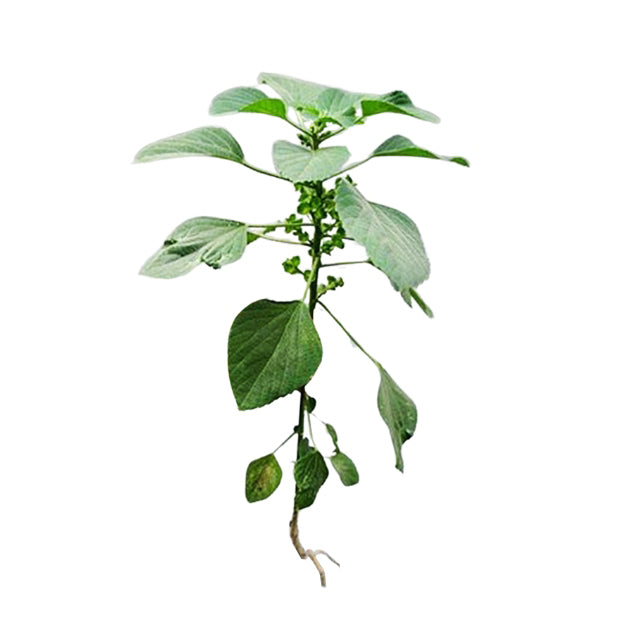




Aeschynomene indica, commonly known as the Indian joint vetch, is an annual or short-lived perennial herb belonging to the legume family Fabaceae. In Sri Lanka, it holds a documented place in the island's ayurvedic pharmacopoeia, where various parts of the plant have been employed in traditional healing for generations. Its quiet presence along paddy field margins, riverbanks, and waterlogged grasslands belies a long history of medicinal use that contemporary botanical researchers continue to investigate.
What is Aeschynomene indica and where does it grow in Sri Lanka?
Aeschynomene indica is a semi-aquatic herb that typically reaches between 30 and 150 cm in height. Its slender, often reddish stems carry numerous small, pinnately compound leaves that fold slightly when touched — a sensitivity reminiscent of its distant relative Mimosa pudica. The plant produces small yellow flowers with reddish veining, followed by segmented seed pods (loments) that break apart at maturity, each segment carrying a single seed.
In Sri Lanka, it is distributed widely across the lowland wet and intermediate zones, typically found growing alongside irrigation channels, in marshy ground, and at the edges of rice paddies. Its tolerance for standing water makes it a frequent companion plant in traditional paddy fields across the country. It also appears in the moist zones near coastal wetlands and slow-moving inland waterways.
What are the traditional ayurvedic uses of Aeschynomene indica?
Within Sri Lanka's ayurvedic tradition, Aeschynomene indica is regarded as a plant with cooling, anti-inflammatory, and diuretic properties. Practitioners have historically used preparations derived from its roots, leaves, and stems to address a range of conditions.
- Leaves and stem: Used in poultices and decoctions to address skin irritations, inflammatory conditions, and mild infections.
- Roots: Prepared in decoctions associated with urinary complaints and fever management in traditional practice.
- Whole plant: Documented as a component in compound ayurvedic formulations targeting liver support and digestive irregularities.
The plant is referenced within the broader catalog of Sri Lankan medicinal flora maintained by ayurvedic institutions, sitting alongside other well-known botanicals such as Pongamia pinnata and Acacia chundra, which share overlapping therapeutic applications in the local tradition.
What does modern botanical research say about this plant?
Ethnobotanical studies across South and Southeast Asia have taken increasing interest in Aeschynomene indica as a source of bioactive compounds. Researchers have identified secondary metabolites in the plant — including flavonoids, alkaloids, and tannins — that may underpin some of its traditional applications. Laboratory studies have explored its potential antioxidant, antimicrobial, and hepatoprotective activities, though clinical trials in humans remain limited.
Botanists also note the plant's ecological role: its root nodules fix atmospheric nitrogen, improving soil fertility in waterlogged conditions. This characteristic has led to interest in its use as a green manure crop in lowland rice cultivation, adding an agronomic dimension to its significance beyond purely medicinal contexts.
How does Aeschynomene indica fit into Sri Lanka's ayurvedic heritage?
Sri Lanka has one of the oldest living traditions of ayurvedic medicine in the world, supported by a rich native pharmacopoeia that draws on thousands of identified plant species. Aeschynomene indica represents the kind of quiet but enduring botanical that forms the backbone of this tradition — not a headline herb like cinnamon or black pepper, but a plant with specific, well-understood applications passed down through generations of practitioners.
The country's ayurvedic heritage is intertwined with its agricultural and ecological landscapes. Wetland plants like Aeschynomene indica were accessible to rural communities across the lowland regions, making them practical components of community-level traditional medicine. Sri Lanka's Sinharaja Forest Reserve and surrounding buffer zones are among the areas where botanical diversity — including medicinal species — is actively conserved.
How is this plant identified in the field?
Identifying Aeschynomene indica accurately in the field requires attention to several distinguishing features:
| Feature | Description |
|---|---|
| Stem | Erect, branched, often bristly or glandular-hairy; green to reddish |
| Leaves | Pinnately compound with 20–50 pairs of small leaflets; sensitive to touch |
| Flowers | Small, yellow with red veining; borne in short axillary racemes |
| Pods | Segmented loments, 2–8 segments; segments do not dehisce but detach individually |
| Habitat | Waterlogged margins, rice paddies, riverbanks, marshy ground |
It is sometimes confused with related Aeschynomene species, so pod and leaflet counts are useful distinguishing characters when identification matters for medicinal collection purposes.
What is the conservation status and availability of this plant?
Aeschynomene indica is currently considered a widespread and common species across tropical Asia. It is not listed as threatened and is generally available in appropriate wetland habitats throughout Sri Lanka. Its weed-like growth habit in paddy environments means it is often found without deliberate cultivation, though interest in its medicinal properties has led some practitioners to cultivate it in home herb gardens and ayurvedic farm plots.
Collectors and practitioners are advised to harvest responsibly and to verify identification carefully before any medicinal use — a caution that applies equally to all traditional medicinal plant collection.