Weda Gedara — literally "House of Healing" or "Doctor's Home" in Sinhala — is one of Sri Lanka's most enduring institutions. For centuries, these modest yet revered spaces have served as the residence and practice place of Ayurvedic physicians, weaving together herbal medicine, spiritual guidance, and a deep understanding of the natural world. Far more than a clinic, a Weda Gedara represents an entire philosophy of health rooted in the island's pre-colonial medical heritage.
What is the tradition behind a Weda Gedara?
Sri Lanka's indigenous medical system, known as Deshiya Chikitsa, predates the formal codification of Ayurveda on the subcontinent. The Weda Gedara sits at the heart of this tradition, functioning as a place where knowledge was accumulated over generations and passed down through family lineages — rarely through written manuals, but through direct mentorship between a healer and an apprentice, often a son or daughter.
The practitioner at the centre of a Weda Gedara carries the title Weda Mahattaya (a male physician) or Weda Nanda (a female physician). Their authority derives not only from medical knowledge but from a reputation for compassion and spiritual integrity. Communities across rural Sri Lanka historically regarded the Weda Mahattaya as both doctor and counsellor — someone consulted for ailments of the body as much as troubles of the mind.
Treatments span the full scope of classical Ayurvedic practice: herbal decoctions, medicated oils, poultices, dietary regulation, and ritual purification therapies aligned with the three doshas — Vata, Pitta, and Kapha. Alongside Ayurveda, many Weda Gedaras have traditionally incorporated Siddha medicine, a parallel South Asian system with particular resonance in Sri Lanka's Tamil-speaking communities.
What does a Weda Gedara look like?
A traditional Weda Gedara is typically set in a rural environment, surrounded by kitchen gardens dense with medicinal plants. The location is intentional: proximity to fresh herbs, clean water, and natural quiet is considered as therapeutically important as any remedy prepared inside. Common medicinal plants cultivated around a Weda Gedara include species such as Pongamia pinnata, neem, gotu kola, and various members of the pepper and clove families.
Inside, the working space is spare and purposeful. Shelves hold dried herbs, cold-pressed oils, and mineral compounds. Stone mortars, iron grinding plates, and clay vessels sit alongside copper pots used to prepare decoctions. The dispensary area doubles as a consultation room where the healer reads the patient's pulse — a diagnostic method known as nadi pariksha — before prescribing a course of treatment.
The atmosphere itself is considered part of the cure. Silence, natural materials, and the absence of clinical sterility are not oversights; they are deliberate conditions meant to lower stress and prepare the body to receive treatment.
How does indigenous medicine differ from commercial Ayurveda?
Deshiya Chikitsa, the form of medicine practiced at traditional Weda Gedaras, diverges from standardised Ayurveda in meaningful ways. Formulas are often specific to a particular lineage and region rather than drawn from pan-Indian classical texts. A healer in the Sabaragamuwa highlands, for instance, may use plant species and preparation methods quite different from those of a physician near the coast or in the dry zone north.
Remedies are typically compounded fresh for each patient rather than manufactured in bulk. This personalisation is considered central to efficacy — the same symptom in two patients may call for entirely different interventions depending on constitution, age, and season. Yogaraja Guggulu, a classical compound used for musculoskeletal conditions, is one example of a formulation that bridges both indigenous and pan-Ayurvedic traditions, illustrating how the two systems overlap and inform one another.
How has the Weda Gedara evolved in modern Sri Lanka?
The formal healthcare landscape in Sri Lanka today is dominated by Western biomedicine, yet the Weda Gedara has not disappeared — it has adapted. A significant number of traditional practitioners continue to serve rural communities where access to hospitals is limited or where patients prefer the holistic framework offered by indigenous medicine. The government's Department of Ayurveda maintains a registration system for traditional practitioners, and several state universities now offer degree programmes that blend classical Deshiya Chikitsa with modern pharmacological research.
At the same time, a new generation of wellness entrepreneurs has drawn on the Weda Gedara concept to create Ayurvedic resorts and retreat centres that serve both Sri Lankan and international guests. These establishments vary considerably in authenticity. The more credible operations employ registered traditional physicians, source medicinal plants from known origins, and offer multi-day treatment programmes rather than single-session spa experiences. Visitors seeking genuine engagement with indigenous medicine should look for practitioners with verifiable lineage credentials or state registration, and programmes lasting at least five to seven days — the minimum period considered meaningful for most detoxification or restorative therapies.
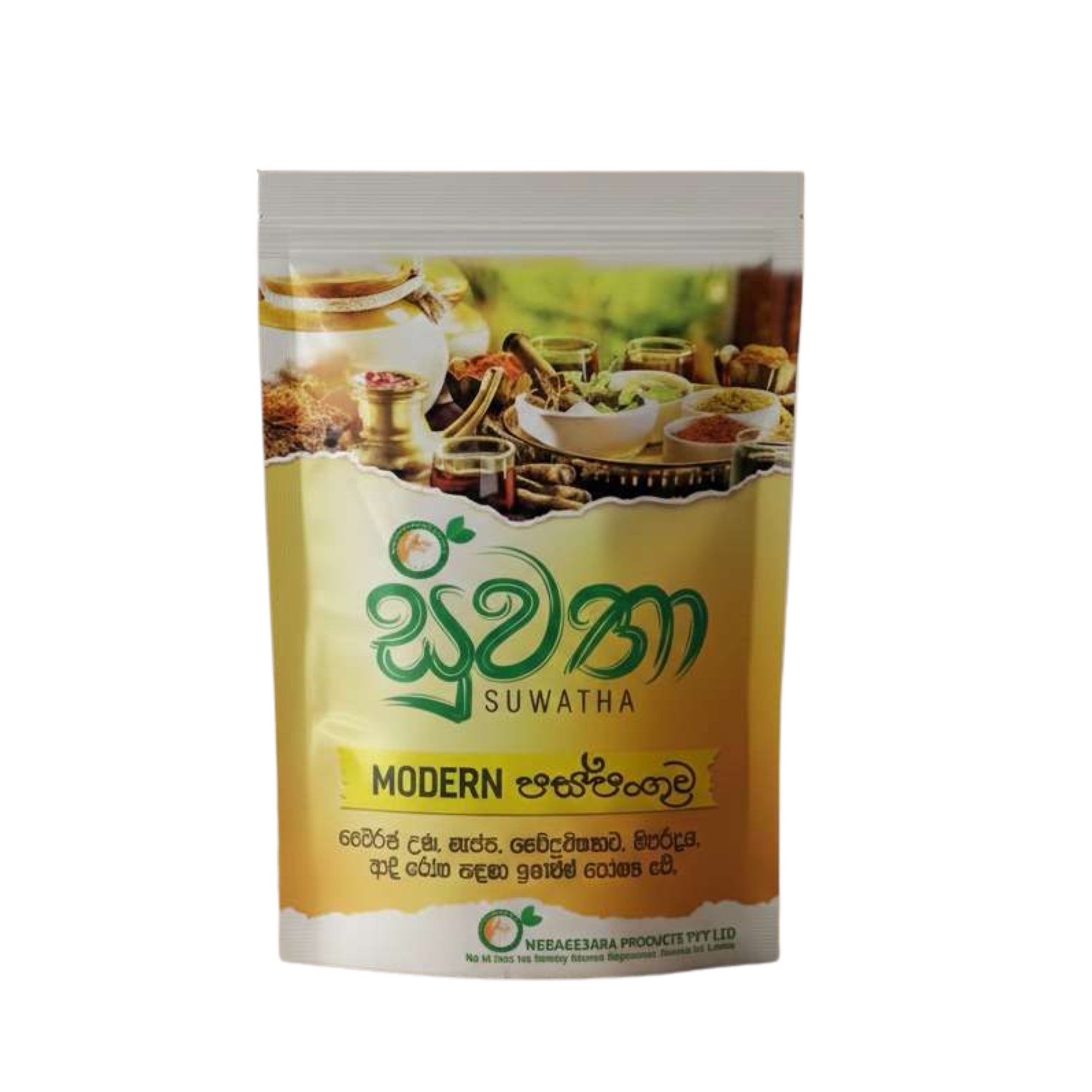
Herbal product lines inspired by the Weda Gedara tradition — including teas, tinctures, and compound preparations — have also entered the commercial market. These offer a more accessible entry point for travellers curious about Sri Lankan herbal medicine without committing to a full residential programme.
Where can visitors experience authentic Weda Gedara medicine in Sri Lanka?
Authentic Weda Gedara practices are found across the island, though certain regions have stronger concentrations. The hill country around Kandy, Matale, and Kurunegala has historically been a centre of Ayurvedic knowledge, partly because of the rich biodiversity of the intermediate zone forests that supplied medicinal raw materials. The southern coastal belt and the interior villages of Sabaragamuwa are also associated with well-regarded healing lineages.
For travellers, the most rewarding experiences tend to be found away from major tourist circuits. Day visits to a practising Weda Gedara — where the healer explains plant uses, demonstrates preparation techniques, and discusses the diagnostic process — provide a window into living heritage that few other cultural encounters match. Yoga-focused itineraries and wellness retreats often incorporate such visits; Yoga Tours curated around Sri Lanka's traditional medicine sites can be a practical way to structure this kind of travel.
Travellers combining a wellness focus with nature exploration might also consider routes through areas like the Sinharaja Forest Reserve, where the surrounding villages still practice traditional forest-based medicine, and where medicinal plant diversity remains exceptionally high.
What should visitors know before consulting a traditional healer?
A few practical points help make the experience more meaningful and safe. First, genuine traditional healers rarely advertise aggressively; the most reputable are often found through local community networks or trusted guides rather than roadside signage. Second, any course of herbal treatment should be disclosed to a primary care physician, particularly for visitors managing chronic conditions or taking prescription medications — interactions between botanical compounds and pharmaceutical drugs are possible and worth discussing. Third, multi-day residential programmes require a commitment to dietary and behavioural restrictions that are integral to the treatment; visitors unwilling to follow these guidelines will see limited benefit.
Language can be a barrier at community-level Weda Gedaras, where practitioners may speak only Sinhala or Tamil. Arranging an interpreter in advance, either through a local guide service or a reputable travel manager, makes the consultation considerably more productive.
Related reading
1 pages on closely related subjects.