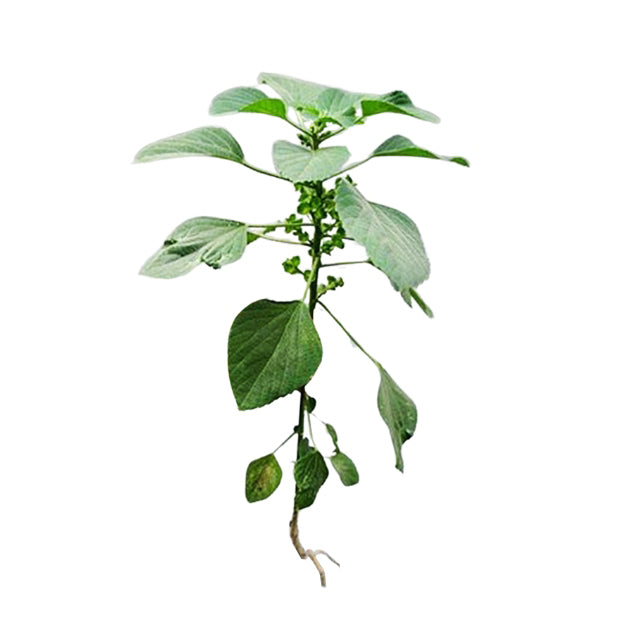




Vicoa indica is a flowering herbaceous plant belonging to the family Asteraceae (the daisy family). Recognised in Sri Lanka's catalogue of ayurvedic medicinal plants, it has a long history of use in traditional healing systems across South Asia, including Sri Lankan indigenous medicine (Deshiya Chikitsa). Though modest in appearance, the plant carries a well-documented reputation as a therapeutic herb with a range of practical applications in folk and classical ayurvedic practice.
What is Vicoa indica and where does it grow?
Vicoa indica is an erect annual herb that typically grows in open grasslands, rocky slopes, and disturbed ground at varying elevations. In Sri Lanka it appears in drier and intermediate zones, often alongside other pioneer species in open terrain. The plant produces small yellow flower-heads characteristic of the Asteraceae family, and its leaves are alternate, coarsely toothed, and somewhat rough to the touch.
Across South Asia — India, Sri Lanka, Nepal, and parts of Southeast Asia — the plant is considered a weed in agricultural settings, yet this unassuming habit conceals considerable phytochemical interest. The entire plant, including roots, stems, and leaves, is utilised in traditional preparations.
What are the traditional ayurvedic uses of Vicoa indica?
In classical ayurvedic and Siddha literature, Vicoa indica is referenced under various regional synonyms. Its primary documented applications include:
- Anti-inflammatory action: Preparations from the aerial parts have traditionally been used to address inflammatory conditions, including joint pain and swelling.
- Fever management: The plant is noted in traditional texts as a febrifuge — used to assist in reducing fever, particularly in combination with other herbs.
- Diuretic properties: Decoctions made from the root and stem have been used to support urinary function in traditional practice.
- Skin conditions: Crushed leaves or poultices made from the plant have been applied externally for minor skin irritations and wounds in folk medicine.
- Digestive support: Some traditional formulations include Vicoa indica as a component to assist with digestive complaints.
It is worth noting that while these uses are well-recorded in ethnobotanical literature, modern clinical validation for many of them remains limited. Ayurvedic practitioners typically use Vicoa indica as part of compound formulations rather than as a standalone remedy.
What does the phytochemical research say?
Scientific interest in Vicoa indica has grown over recent decades, with researchers isolating several bioactive compounds from different parts of the plant. Studies have reported the presence of flavonoids, terpenoids, and sesquiterpene lactones — compound classes known for anti-inflammatory, antioxidant, and antimicrobial activity in laboratory settings.
The sesquiterpene lactones in particular have attracted attention, as this class of compounds is common across medicinal Asteraceae species and has demonstrated biological activity in in-vitro studies. Research from Indian and Sri Lankan institutions has examined the plant's potential, though large-scale clinical trials in humans are yet to be conducted at the time of writing.
Vicoa indica joins a broader group of Asteraceae plants used in South Asian traditional medicine, and its phytochemical profile situates it firmly within a family with a strong ethnopharmacological track record. Sri Lanka's ayurvedic pharmacopoeia documents it alongside other botanicals such as Acacia chundra and Pongamia pinnata, which are similarly valued in traditional healing contexts.
How is Vicoa indica prepared in traditional medicine?
Traditional preparations vary by region and practitioner, but common methods include:
- Decoctions (kashaya): The dried plant material — typically roots or whole aerial parts — is boiled in water and the strained liquid is consumed, often combined with other herbs in classical formulations.
- Powder (churna): Dried and powdered plant material is incorporated into compound formulations. This is the most shelf-stable form for dispensary use.
- Poultice: Fresh leaves are crushed and applied externally for localised skin complaints or to reduce localised swelling.
- Oil infusions: In some traditions, the plant material is infused into sesame or coconut oil for topical application related to musculoskeletal discomfort.
In Sri Lanka, registered ayurvedic physicians (those practising under the Ayurveda Act) are the appropriate consultants for any therapeutic use of Vicoa indica. Self-administration without qualified guidance is not recommended.
Where does Vicoa indica sit within Sri Lanka's medicinal plant tradition?
Sri Lanka has one of the oldest documented traditions of plant-based medicine in the world, with texts such as the Sarartha Sangrahaya and the Yogarnaava cataloguing hundreds of indigenous and introduced medicinal species. The country's biodiversity — spanning dry zone scrublands, wet zone rainforests such as the Sinharaja Forest Reserve, and montane cloud forests — supports an exceptionally rich pharmacopoeia.
Government institutions including the Department of Ayurveda and the Institute of Indigenous Medicine at the University of Colombo maintain formal registers of medicinal plants, and Vicoa indica appears in these catalogues as part of the officially recognised materia medica. This recognition underpins the plant's continued use in government-run ayurvedic hospitals and in the training of traditional practitioners.
The broader tradition of ayurvedic plant use in Sri Lanka also intersects with sustainable land use and conservation concerns. Many medicinal plants are harvested from the wild, making documentation and responsible sourcing increasingly important as habitats come under pressure.
Is Vicoa indica safe to use?
As with all medicinal plant preparations, safety depends on correct identification, appropriate preparation, and proper dosage. Vicoa indica is not known to be toxic under traditional usage parameters, but there is limited toxicological data from formal studies. Pregnant or breastfeeding individuals, and those taking pharmaceutical medications, should consult a qualified ayurvedic physician before using any preparation containing this plant. Misidentification of wild-harvested plants is also a recognised risk, which underscores the importance of sourcing from reputable suppliers.