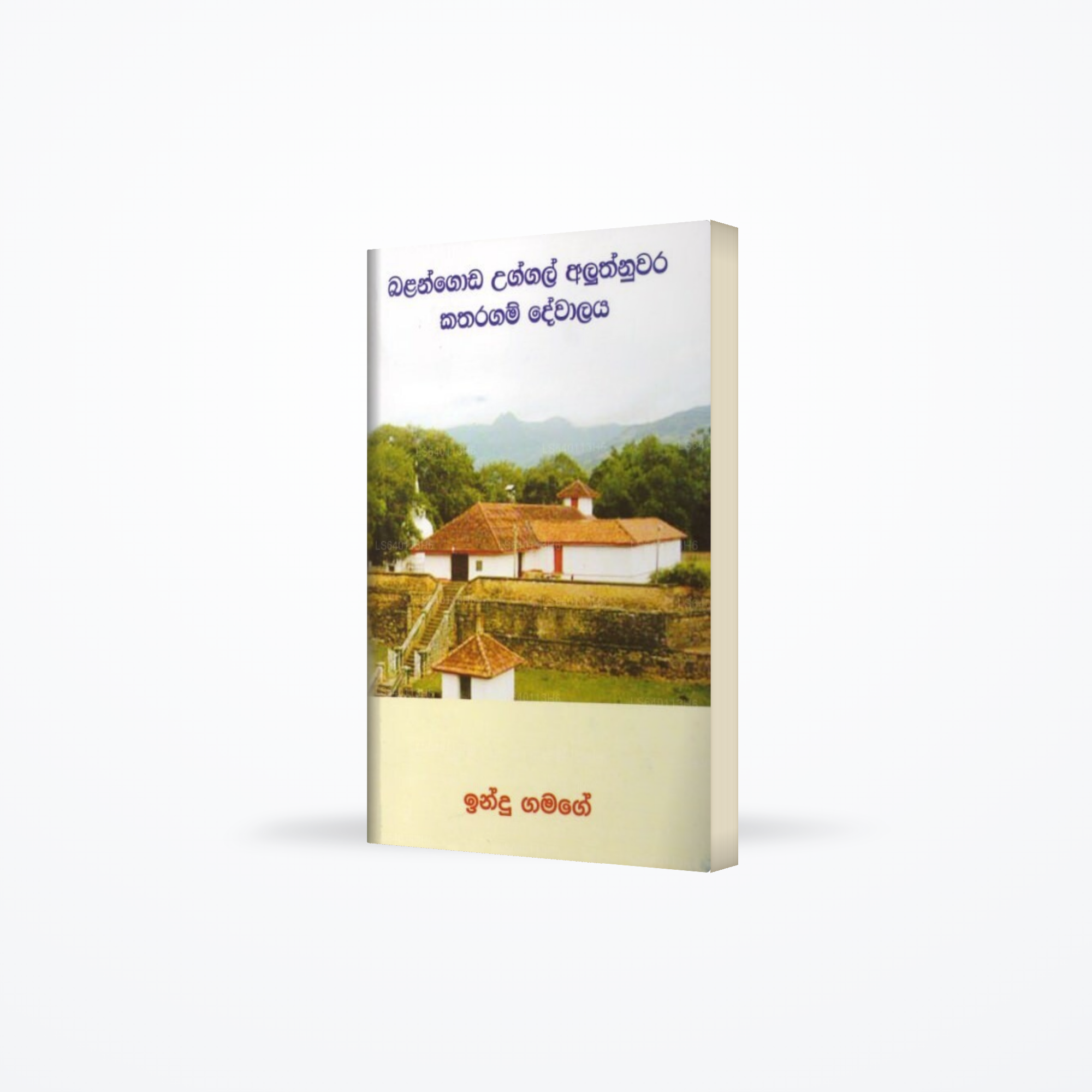
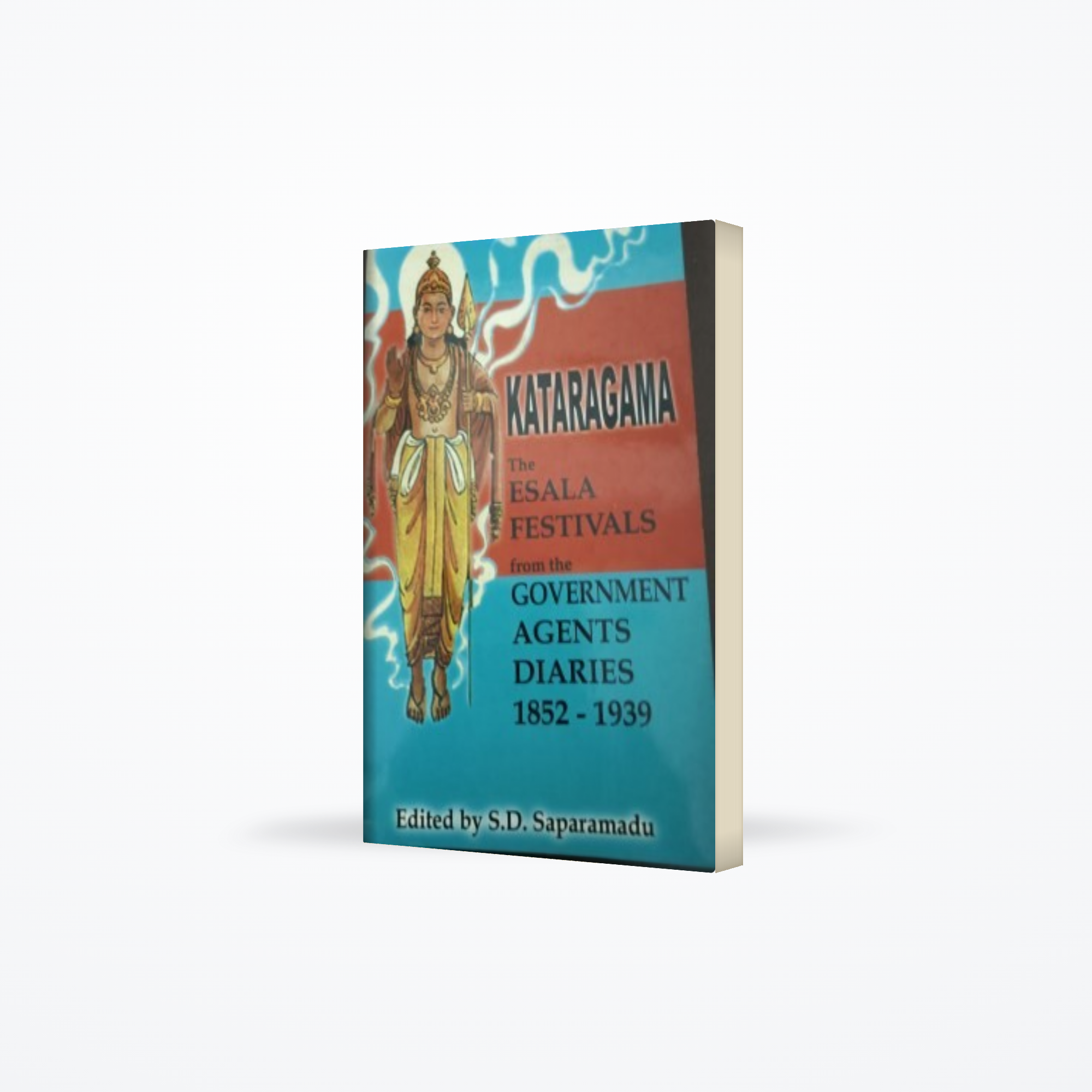
Tucked alongside the Colombo–Batticaloa main road, roughly 9 kilometres from Balangoda in the Sabaragamuwa Province, the Uggal Aluthnuwara Kataragama Devalaya is one of Sri Lanka's lesser-known yet historically layered shrines. Dedicated to Kataragama deviyo — a deity revered across Buddhist, Hindu, and indigenous traditions as a guardian of the Buddha Sasana — the complex draws pilgrims, historians, and travellers interested in the island's intertwined royal and religious past. The site was formally gazetted as an archaeological protected monument on 3 September 1999.
What is the history of the Uggal Aluthnuwara Kataragama Devalaya?
The origins of this shrine reach back to the Gampola Kingdom period. The earliest structure on this site, called the Medagama Devalaya, is believed to have been established around 1382 during the reign of King Bhuvanekabahu V. This original shrine served as the spiritual nucleus around which the later, grander complex grew.
The present devalaya was built in 1582 by a ruler recorded in local tradition as King Yapa Maharaja. Historians generally identify this king with Rajasingha I, the Sitawaka king known for his campaigns against Portuguese colonial forces along the southwestern coast. No independent epigraphic record has yet confirmed the name Yapa Maharaja, so the identification remains a matter of scholarly consensus rather than documented certainty.
According to the founding legend, King Yapa Maharaja made a solemn vow beneath a sacred jack tree near the Medagama Devalaya: should he prevail against the Portuguese in battle, he would construct a new temple and establish a town in the area. His military success led directly to the building of the current complex. The jack tree under which that vow was made still stands within the temple grounds and is known locally as Kos Ruppaya — a living link to the royal promise made over four centuries ago.
What can visitors see at the Uggal Aluthnuwara Kataragama Devalaya?
The devalaya complex retains the architectural character of a traditional Kandyan-era shrine. Key features include:
- The main devalaya (inner shrine): The sanctum housing the deity's symbols and ritual objects, maintained by hereditary priests known as kapuralas.
- Kos Ruppaya (the sacred jack tree): The ancient jack tree at the heart of the founding legend, still venerated by worshippers who tie votive offerings to its branches.
- The original Medagama Devalaya site: Remnants of the 14th-century shrine survive within the broader complex, offering a tangible sense of the site's layered chronology.
- Ritual spaces and mandapas: Open pavilions used during festival processions and daily devotional rites.
Because the complex functions as an active place of worship, visitors are expected to dress modestly — covering shoulders and legs — and to remove footwear before entering shrine precincts.
When is the best time to visit the Uggal Aluthnuwara Kataragama Devalaya?
The shrine is accessible year-round and receives a steady flow of pilgrims throughout the week. The most significant time to visit is during the annual Karal Perahera, held each January on Duruthu Full Moon Poya Day. This ritual procession has been observed since 1766, when it was formally established under royal patronage. The Duruthu Poya itself commemorates the legendary first visit of the Buddha to Sri Lanka, lending the festival an additional layer of Theravada significance.
Visitors who prefer a quieter, more contemplative experience will find weekday mornings during the dry inter-monsoon months (roughly February to April and August to October) the most comfortable in terms of weather and crowd levels. The Sabaragamuwa highlands receive considerable rainfall between May and July, so access via the Colombo–Batticaloa road can occasionally be slower during heavy downpours.
How do I get to the Uggal Aluthnuwara Kataragama Devalaya from Colombo?
The shrine lies approximately 9 kilometres east of Balangoda town along the A4 Colombo–Batticaloa main road, placing it around 160 kilometres from Colombo. By private vehicle, the drive typically takes between three and four hours depending on conditions along the A4 through Ratnapura and Balangoda. Intercity buses from Colombo to Badulla pass through Balangoda, from which local transport can be arranged to Uggal Aluthnuwara. Travellers combining this visit with the gem-trading town of Ratnapura or the highland town of Haputale can do so efficiently as both lie on or near the same road corridor.
What is the religious significance of Kataragama deviyo?
Kataragama deviyo — identified in Hindu tradition with the god Murugan (Skanda) — occupies a uniquely multi-faith position in Sri Lankan religious life. Sinhalese Buddhists, Sri Lankan Tamils, and the indigenous Vedda community each hold the deity sacred, though through different theological frameworks. As a guardian of the Buddha Sasana, the deity is considered one of the four divine protectors of Sri Lanka alongside Vishnu, Saman, and Vibhishana. Shrines dedicated to Kataragama deviyo appear across the island, but those with royal foundation charters — such as the Uggal Aluthnuwara Devalaya — carry particular weight in the pilgrimage tradition.
Is the Uggal Aluthnuwara Devalaya an archaeological protected site?
Yes. The Central Cultural Fund of Sri Lanka gazetted the complex as an archaeological protected monument on 3 September 1999. This designation places it under the purview of the Department of Archaeology, which oversees conservation work and regulates any modifications to the built fabric. The protected status reflects both the site's antiquity — spanning at least six centuries — and its integrity as a continuously functioning religious complex rather than a ruin.
Nearby places
11 places within about 25 km, nearest first.
Related reading
8 pages on closely related subjects.