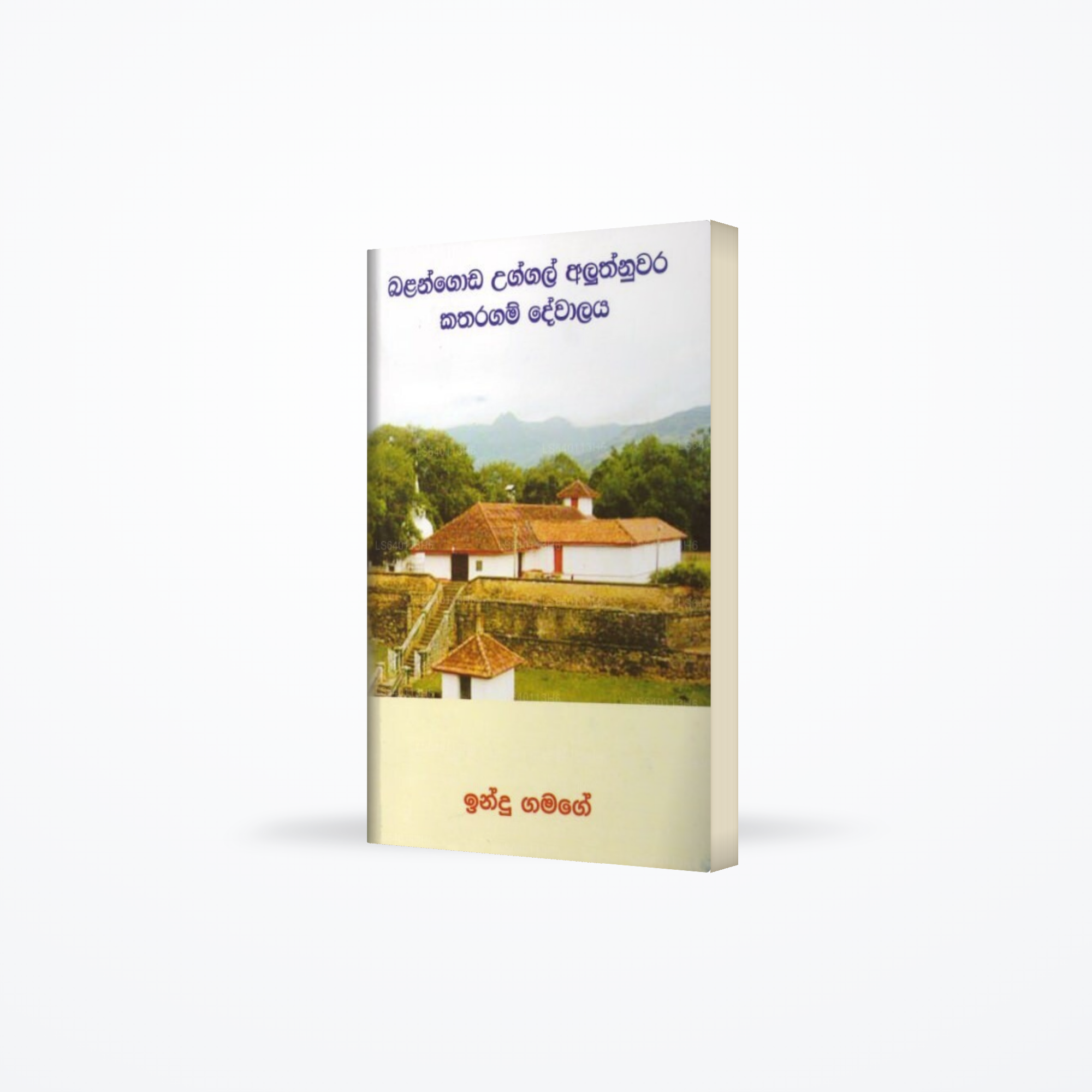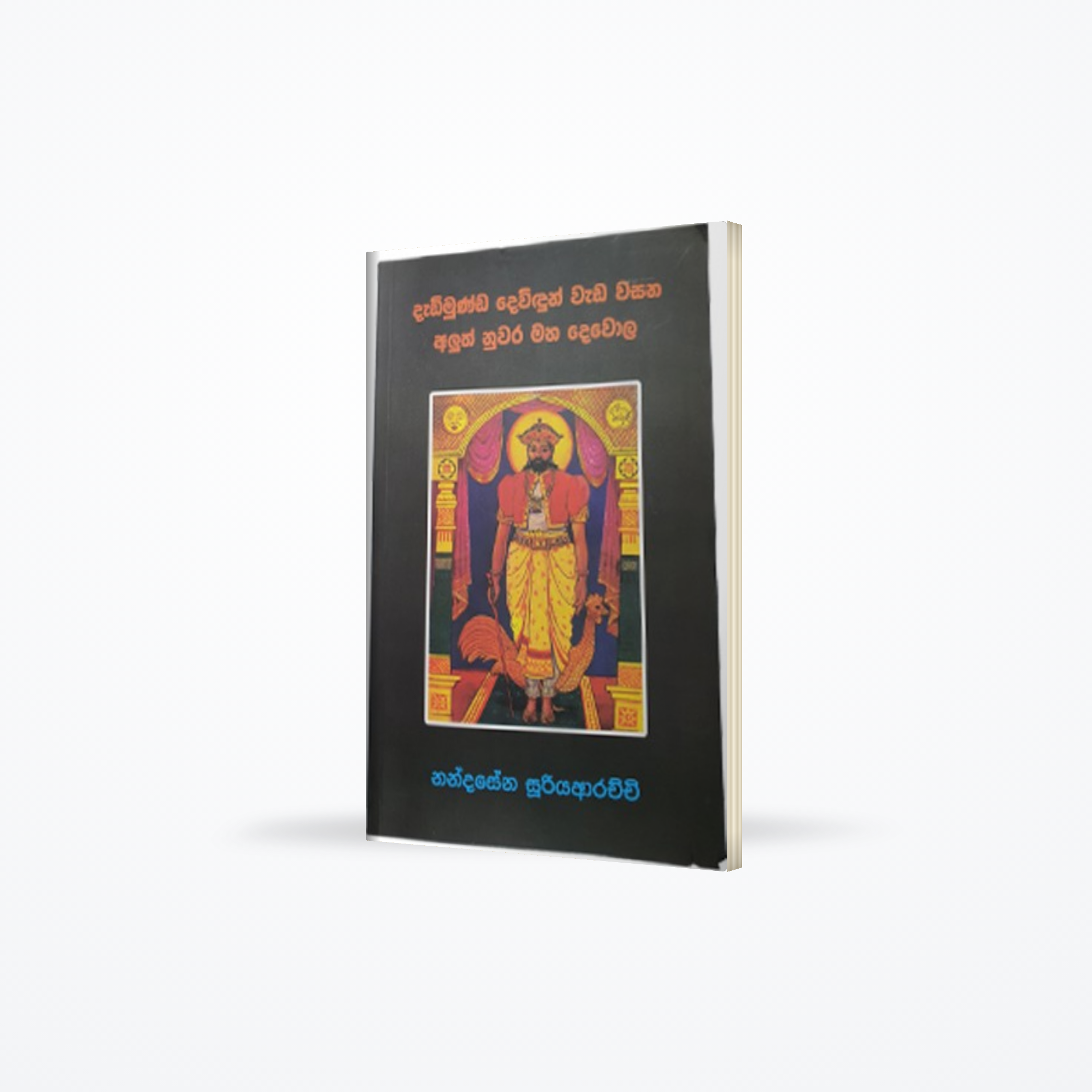




Uggal Aluth Nuwara Devalaya is one of Sri Lanka's most spiritually significant shrines, drawing devotees from both Buddhist and Hindu traditions across the island. Located in the Balangoda area of Sabaragamuwa Province, the devalaya is dedicated to the deity Kataragama — one of the most widely venerated guardian deities in Sri Lanka — and forms part of a network of sacred sites that radiate from the main Kataragama complex in the deep south. The shrine occupies a quietly compelling setting, and for those travelling through the hill country interior, it offers an authentic glimpse into living religious practice far from the main tourist circuit.
What is the significance of Uggal Aluth Nuwara Devalaya?
In Sinhala, devalaya means a shrine or temple dedicated to a deity rather than the Buddha, and aluth nuwara translates roughly as "new city" or "new abode." Uggal Aluth Nuwara Devalaya is regarded as a satellite shrine of the Kataragama Devalaya, the pan-religious complex in the south that draws millions of pilgrims each year. Like its more famous counterpart, this devalaya venerates Skanda — known locally as Kataragama Deviyo — the god of war and protection who is claimed by both the Sinhalese Buddhist and South Indian Hindu traditions.
The shrine also honours Dadimunda Deviyo, one of the four guardian deities of Sri Lanka. Offerings, pooja rituals, and vow-fulfilment ceremonies take place regularly, and the atmosphere inside the shrine precincts remains intensely devotional throughout the year. Visitors should observe quietly and dress modestly; removing footwear before entering the shrine enclosure is expected.
Where exactly is the devalaya located?
The devalaya lies within the Balangoda region of Ratnapura District, Sabaragamuwa Province — a part of Sri Lanka better known for its gem mines and highland scenery than for organised tourism. Balangoda sits roughly between Ratnapura and Wellawaya along the A4 highway, making it accessible from Ella to the east and from Colombo via Ratnapura to the west. The surrounding landscape is one of rolling tea estates, rubber plantations, and forested ridges, giving any visit a distinctly unhurried character.
Road travel is the most practical option. The Colombo–Ratnapura–Balangoda route along the A4 takes around three to four hours by private vehicle depending on traffic conditions. Train travel to Balangoda is not currently available on the main rail network; the nearest railway stations are at Haputale or Ratnapura.
When is the best time to visit Uggal Aluth Nuwara Devalaya?
The shrine receives devotees year-round, but the most auspicious periods align with the lunar calendar. Poya days — the full-moon days observed each month — bring larger crowds and more elaborate rituals. The Esala season (typically July–August) is particularly significant, when Esala Perahera celebrations at shrines across the country amplify devotional activity at related devalayas. Processions, drumming, and torch-lit rituals can make visits during this period especially memorable.
The dry inter-monsoon months of January through March and again from July to September generally offer the most comfortable travel conditions for the Sabaragamuwa highlands, though the region can receive rainfall at almost any time of year.
What should visitors expect inside the shrine?
The devalaya complex typically includes a main shrine building housing the deity's sacred objects (yantra), a surrounding courtyard, and subsidiary shrines. A kapurala — a hereditary lay officiant — conducts rituals and mediates between devotees and the deity. Offerings of flowers, incense, coconuts, and fruits are customary. Photography inside the inner shrine is generally not permitted, and visitors are advised to confirm local protocols on arrival.
The atmosphere blends solemnity with community warmth. Families arrive to fulfil vows made during times of illness or hardship, and the rhythmic beat of ceremonial drums often marks the start of an offering ritual. Even visitors who do not share the faith find the ceremonies absorbing as a window into Sri Lanka's layered religious culture.
What else is worth seeing nearby?
The Balangoda area and the broader Sabaragamuwa–Uva border region offer a range of supplementary experiences for travellers who want to make a longer stay of it.
- Belihul Oya: A scenic river valley popular for swimming and camping, roughly 20 kilometres east of Balangoda.
- Horton Plains National Park: The high-altitude plateau famous for World's End is within driving distance via Haputale or Ohiya. The Horton Plains safeguards a cloud-forest ecosystem found nowhere else in Sri Lanka.
- Sinharaja Forest Reserve: Arguably Sri Lanka's most important rainforest, accessible from the southern edge of Ratnapura District. The Sinharaja UNESCO World Heritage Site is a rewarding side-trip for nature travellers.
- Ratnapura Gem Mines: The "City of Gems" lies roughly an hour's drive west; guided visits to active gem-pitting areas can be arranged locally.
- Rawanagala: A dramatic granite outcrop near Balangoda with a short but rewarding hike and panoramic views across the hill country. See the Rawanagala page for details.
How does the devalaya fit into Sri Lanka's broader religious landscape?
Sri Lanka's shrine culture exists in a distinctive interstitial space between Theravada Buddhism, Shaivite Hinduism, and older animist traditions. Devalayas dedicated to guardian deities are often found within or adjacent to Buddhist temple complexes, reflecting centuries of religious co-existence. Kataragama Deviyo in particular commands devotion that cuts entirely across ethnic and religious lines: Sinhalese Buddhists, Sri Lankan Tamils, and Sri Lankan Moors all venerate the deity, though their ritual practices differ.
Uggal Aluth Nuwara Devalaya embodies this syncretic tradition. A visit here is not simply a heritage excursion — it is an encounter with a still-living, deeply participatory faith community that has maintained its practices through centuries of political and social change. For travellers seeking to understand Sri Lanka beyond its beaches and ancient ruins, shrines like this one offer a more textured and honest portrait of the island.
Is there an entry fee?
Like most devalayas in Sri Lanka, Uggal Aluth Nuwara Devalaya does not charge a formal admission fee for worshippers or respectful visitors. Donations towards the upkeep of the shrine are welcome and customary. If you plan to participate in a pooja ceremony, a small charge for the offering materials may apply through the kapurala.
Nearby places
13 places within about 25 km, nearest first.
- Mapalana Ellaunder 1 km
- Wawulpone Cave2 km
- Diyavini Ella Falls4 km
- Poronuwa Estate5 km
- Uggal Aluthnuwara Kataragama Devalaya5 km
- Rawanagala5 km
- Pettiagalla Estate7 km
- Bolthumbe Devalaya8 km
- Maduwanwela Walawwa10 km
- Kuragala10 km
- Kuragala Temple10 km
- Alupola Ella11 km
- Galpoththawela wala Temple15 km
Related reading
3 pages on closely related subjects.