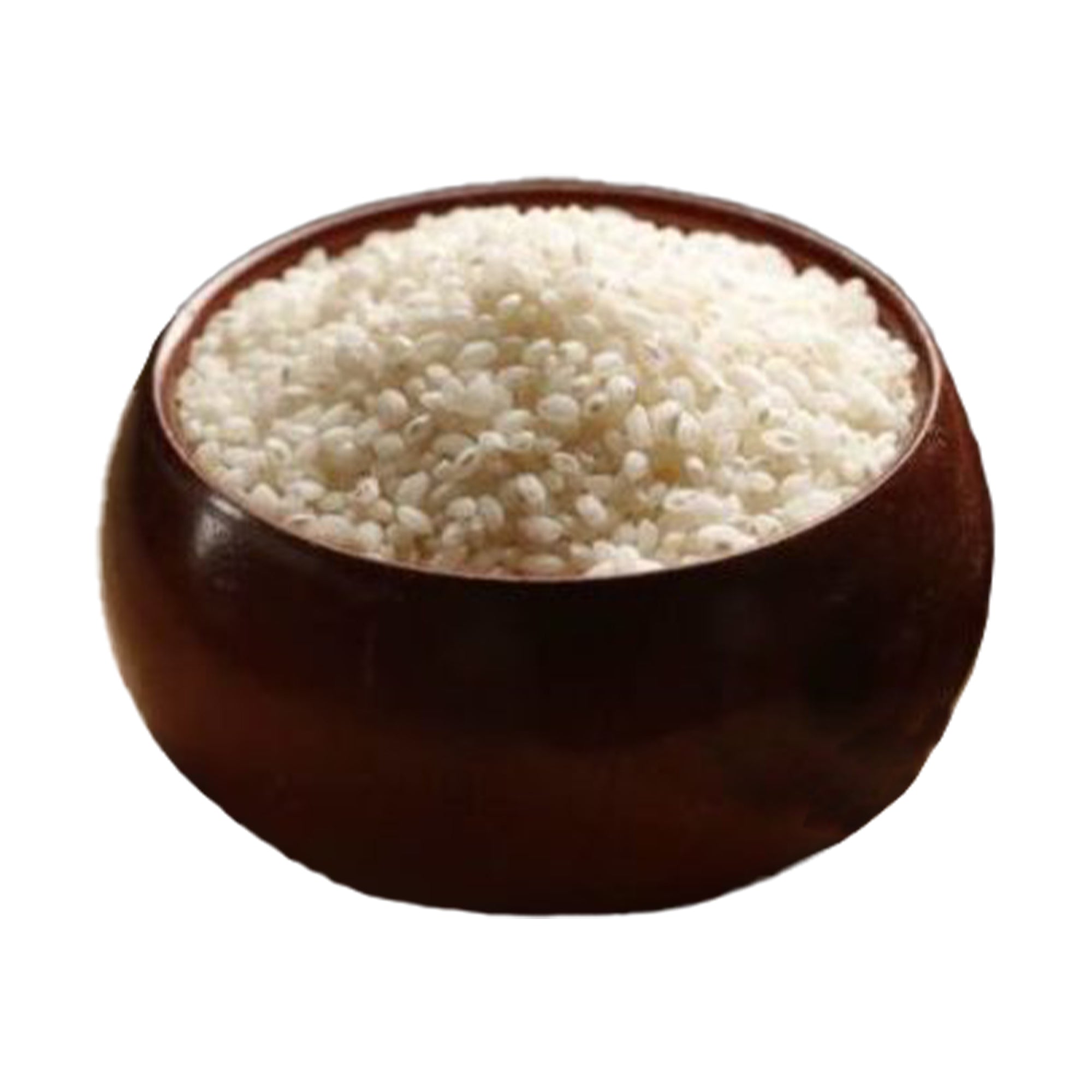
Suwadel — sometimes spelled Suwandel — is one of Sri Lanka's most celebrated heirloom rice varieties, instantly recognisable by its gentle, floral fragrance. Long before commercial agriculture reshaped the island's paddy fields, this grain occupied a place of quiet reverence in Sri Lankan households, temples, and royal kitchens alike. Today, as interest in traditional food systems and whole-grain nutrition grows worldwide, Suwadel is attracting attention well beyond the island's shores.
What makes Suwadel rice different from ordinary white rice?
Most commercially grown white rice has been bred and milled for high yield and long shelf life, often at the cost of nutritional depth and flavour complexity. Suwadel is an indigenous variety that has been cultivated in Sri Lanka for centuries without significant genetic modification. Its grains are short and slightly opaque, and when cooked, they release a mild, almost creamy aroma that distinguishes the variety even before the first bite.
Agronomists and food researchers classify Suwadel as a traditional or heirloom variety, meaning it has been preserved through seed-saving practices passed between farming communities across generations. Cultivation is concentrated in Sri Lanka's wet and intermediate zones, where the climate and soil conditions closely replicate those in which the variety originally flourished.
What is the nutritional profile of Suwadel rice?
Suwadel compares favourably with many modern white rice varieties across several nutritional markers:
- Antioxidants: The grain contains bioactive compounds that help the body manage oxidative stress. These antioxidants are linked to broader anti-inflammatory effects in dietary research.
- B-complex vitamins: Suwadel retains a meaningful level of vitamins such as thiamine, niacin, and folate, which support energy metabolism and nervous system function.
- Minerals: Iron, magnesium, and zinc are present in useful quantities, supporting immunity, bone density, and oxygen transport.
- Dietary fibre: The fibre content in Suwadel promotes healthy digestion and contributes to a sustained sense of satiety after meals.
- Glycaemic Index (GI): Suwadel has a lower glycaemic index than many common white rice varieties. This means it causes a more gradual rise in blood sugar — a characteristic that makes it a preferred option for people managing diabetes or monitoring carbohydrate intake.
The grain also contains beneficial fatty acids that researchers associate with cardiovascular support, though Suwadel should be considered one element of a balanced diet rather than a standalone remedy.
How is Suwadel used in Sri Lankan culture and ceremonies?
In Sri Lanka, Suwadel is more than a food crop — it carries cultural weight. The rice is considered auspicious and appears in offerings made at temples and during religious ceremonies. Families preparing alms-giving rituals or marking significant occasions have traditionally used Suwadel precisely because of its fragrant quality, which is associated with purity and respect.
Historical accounts suggest that aristocratic women of the Kandyan era incorporated Suwadel water — the starchy liquid left after washing or cooking the rice — into their skincare and haircare routines. While these practices predate modern cosmetic science, contemporary interest in rice-based beauty treatments has lent them renewed credibility. The connection between traditional paddy cultivation and Sri Lankan cultural identity runs deep, and varieties like Suwadel sit at the heart of that relationship.
The rice also features in Ayurvedic dietary guidance, where it is valued for its digestibility and its mild, cooling properties relative to heavier grain varieties.
How does Suwadel compare to other traditional Sri Lankan rice varieties?
Sri Lanka has documented over 1,500 indigenous rice varieties historically, though only a fraction remain in active cultivation. Among those still grown and available, Suwadel, Kalu Heenati, and Pachchaperumal are frequently discussed together as representative heirloom varieties with distinct flavour profiles and nutritional characteristics.
| Variety | Grain colour | Key characteristic | Common use |
|---|---|---|---|
| Suwadel | White / pale | Fragrant aroma, lower GI | Everyday meals, offerings, health-conscious cooking |
| Kalu Heenati | Dark purple-black | High antioxidant content, nutty flavour | Traditional porridges, Ayurvedic diets |
| Pachchaperumal | Reddish-brown | Firm texture, earthy taste | Daily staple in traditional households |
Each variety reflects a specific agricultural heritage and suits different cooking methods. Suwadel, with its aromatic quality and gentle flavour, tends to be the variety most accessible to those new to traditional Sri Lankan rice.
Where is Suwadel rice grown in Sri Lanka?
Suwadel cultivation is associated primarily with Sri Lanka's wet zone and parts of the intermediate zone, where seasonal rainfall supports traditional paddy farming cycles. Small-scale farmers and cooperatives committed to preserving indigenous varieties grow much of the Suwadel available today. Unlike mass-market rice, production volumes are relatively limited, which means supply can vary by season.
Organic cultivation is common among Suwadel growers who follow traditional farming methods, avoiding synthetic fertilisers and pesticides. This approach aligns the grain with growing consumer demand for clean-label, sustainably produced food.
How should Suwadel rice be cooked?
Suwadel cooks similarly to other short-grain white rice varieties, though some cooks reduce the water ratio slightly compared to standard supermarket rice to avoid a mushy texture. A general guide is roughly 1.5 cups of water per cup of rice, though this varies with cooking method and personal preference. The rice can be prepared in a standard pot, a rice cooker, or a clay pot — the traditional method that many cooks argue best preserves the grain's fragrance.
Because the aroma is one of Suwadel's defining qualities, it pairs well with lightly spiced curries and coconut-based dishes rather than heavily flavoured preparations that might overwhelm its subtler notes. It can also be used to make rice porridge (congee), which is a common vehicle for Ayurvedic herb additions in Sri Lankan home cooking. The natural affinity between aromatic rice and ingredients like Ceylon black pepper makes Suwadel a natural complement to traditional Sri Lankan spice-forward cooking.
Is Suwadel rice suitable for people with dietary restrictions?
Suwadel is naturally gluten-free, making it appropriate for people with coeliac disease or gluten sensitivity. Its lower glycaemic index compared to many refined white rice varieties makes it a sensible inclusion in diets designed to moderate blood sugar response, though anyone managing diabetes should consult a healthcare professional about appropriate portion sizes. The grain contains no known common allergens beyond rice itself and is generally well-tolerated.
Related reading
3 pages on closely related subjects.