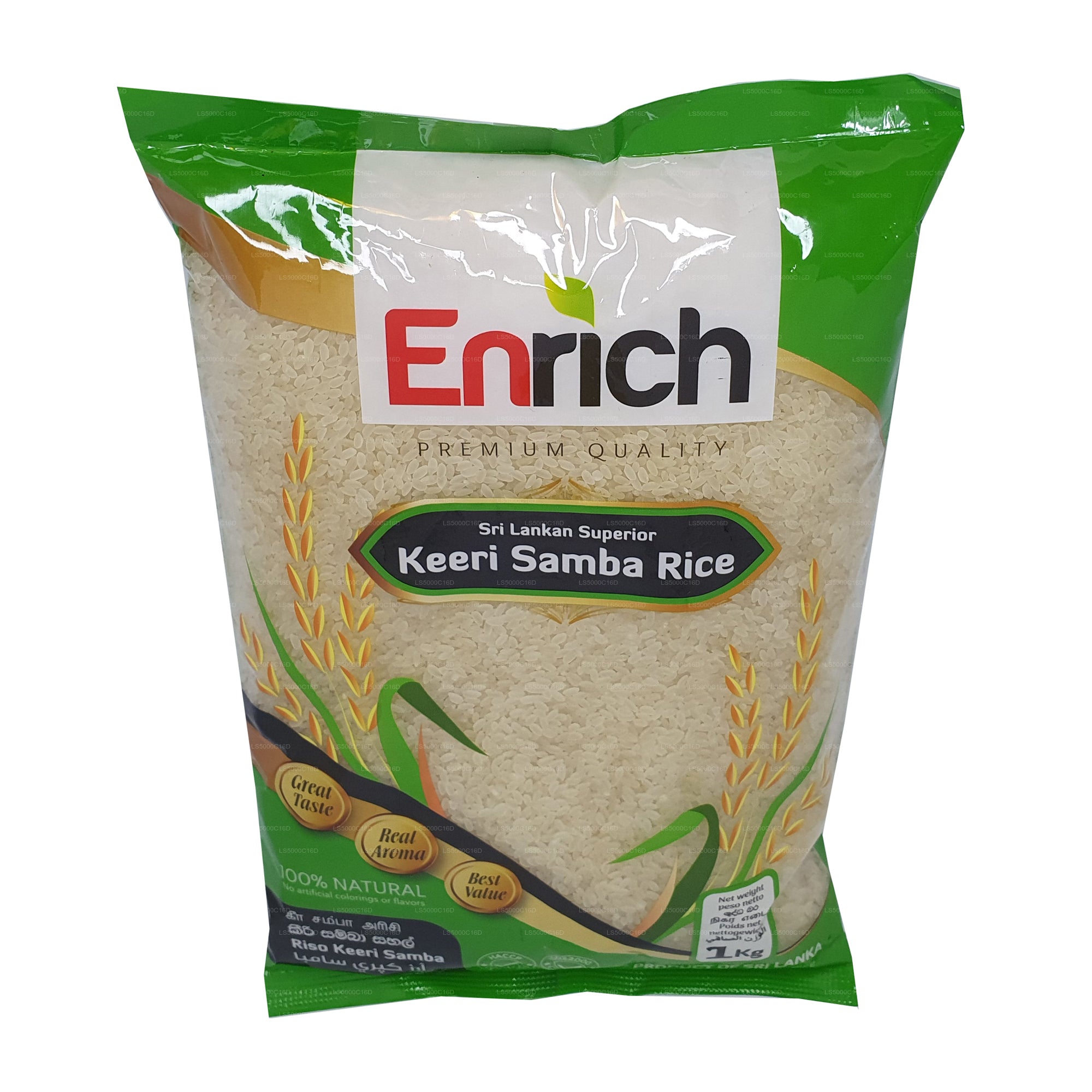
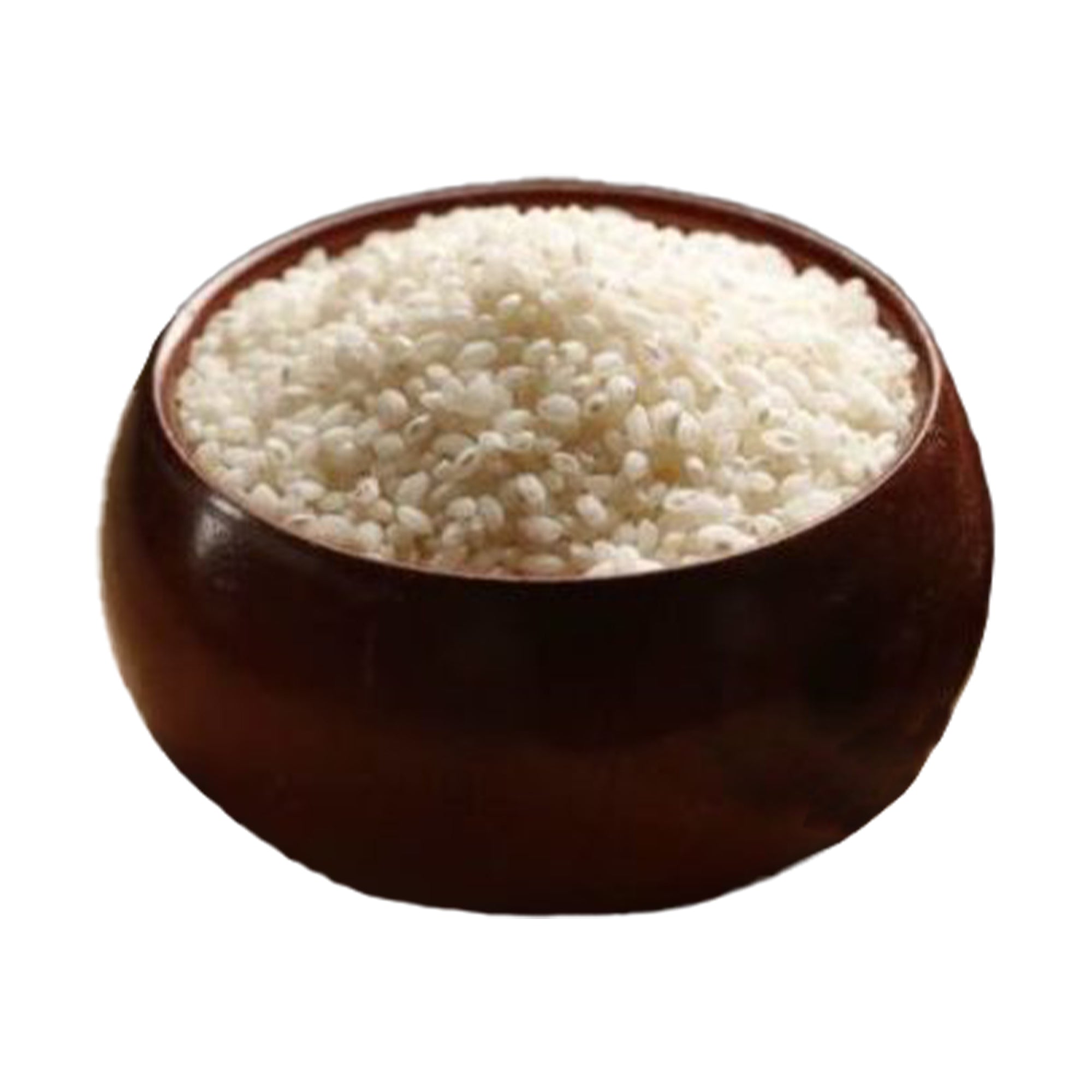
Keeri Samba is widely regarded as Sri Lanka's most prized white rice variety. Recognised by its slender, polished grains and a subtle natural fragrance that intensifies during cooking, it occupies a distinct place in Sri Lankan culinary tradition — neither an everyday staple nor purely a luxury, but something in between: the rice families reach for when the occasion matters.
What Makes Keeri Samba Different from Other Rice Varieties?
The defining characteristics of Keeri Samba are its grain size, aroma, and cooked texture. The grains are noticeably finer and more slender than standard samba or Nadu varieties, and they cook into separate, fluffy mouthfuls rather than clumping together. This non-sticky quality is one reason it is so highly regarded for biryani and fried rice, where each grain needs to hold its own in a complex mix of spices, herbs, and proteins.
The fragrance comes from naturally occurring aromatic compounds in the grain — similar in character to basmati, though distinctly Sri Lankan in origin. This aroma is released gently as the rice steams, making even a simple pot of plain Keeri Samba feel considered. It is also naturally gluten-free and provides a reliable source of carbohydrate energy, with small amounts of B vitamins and minerals.
Compared with red or parboiled rice varieties, Keeri Samba is lighter in texture and milder in flavour, which means it complements rather than competes with the bold spice profiles typical of Sri Lankan curries. Dishes that use Ceylon black pepper or warm whole spices benefit particularly from a rice that does not overwhelm them.
Where Is Keeri Samba Grown in Sri Lanka?
Keeri Samba is cultivated across several of Sri Lanka's traditional rice-growing regions, with the dry zone and intermediate zone providing the hot days and well-drained soils that suit the variety. The ancient irrigation systems of the North Central Province — the same tank-fed paddies that fed civilisations around Polonnaruwa — continue to support rice agriculture in the areas where Keeri Samba is produced today.
Sri Lanka has a long relationship with rice cultivation. The paddy field (kumbura) remains one of the most culturally loaded landscapes in the country, and a variety like Keeri Samba — with its associations with ceremony and celebration — reflects how deeply rice culture is woven into Sri Lankan identity. Maha (November to March) and Yala (May to September) are the two main cultivation seasons, so fresh-crop Keeri Samba enters the market twice a year, though stored stocks are available year-round.
How Is Keeri Samba Used in Sri Lankan Cooking?
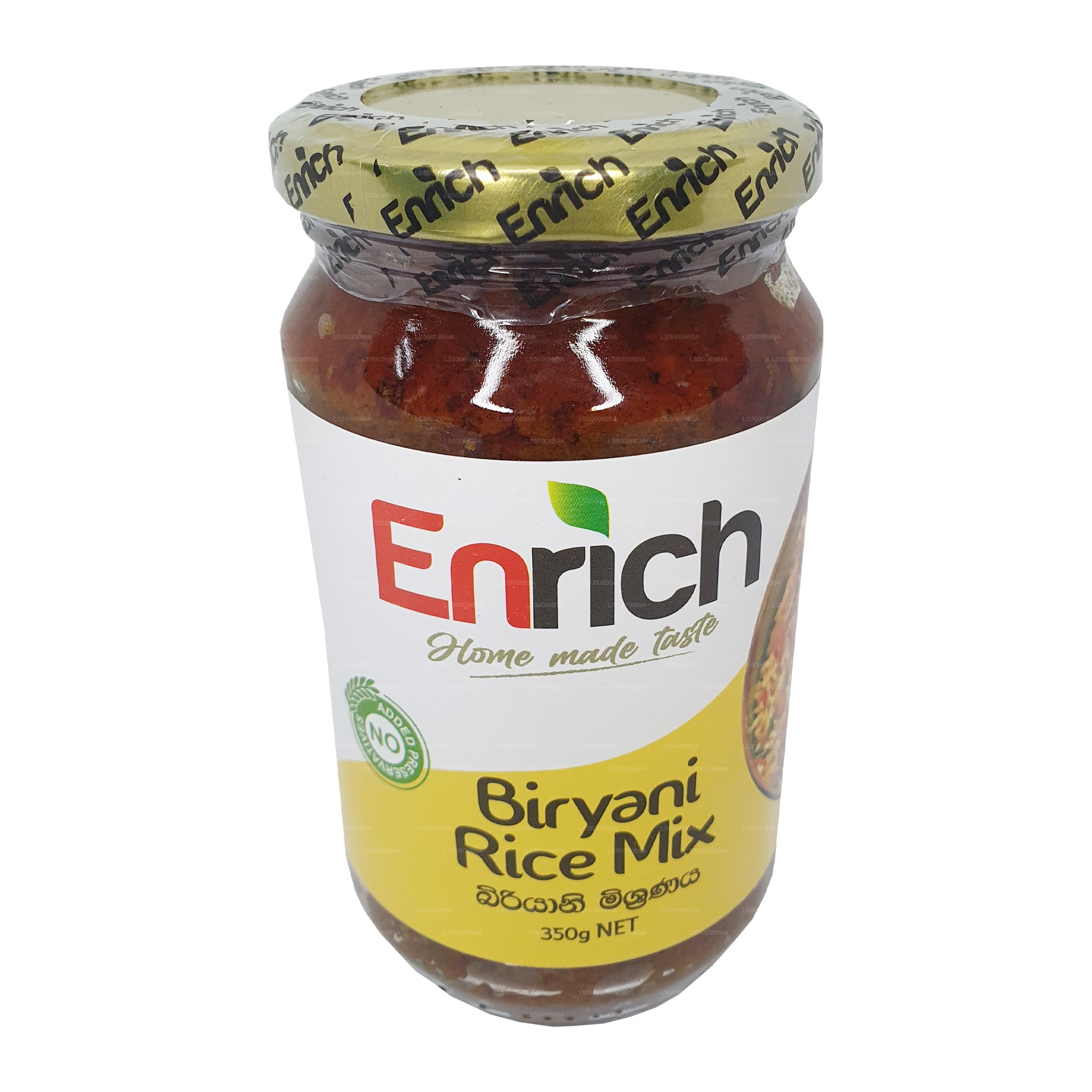
The most celebrated use of Keeri Samba is in biryani. Its long, separate grains absorb the layered flavours of saffron, ghee, caramelised onion, and whole spices without turning mushy — a quality that is non-negotiable in a good biryani. Sri Lankan-style biryani, particularly the Muslim-influenced versions prepared for Eid, weddings, and Friday lunches, almost always specifies Keeri Samba by name.
Beyond biryani, the rice appears in several other festive contexts:
- Kiribath (milk rice): Although traditionally made with short-grain white raw rice, some households use Keeri Samba for a lighter, more aromatic version served at Sinhala New Year and other auspicious occasions.
- Yellow rice: Cooked with turmeric, ghee, and whole spices, Keeri Samba's grain structure holds up beautifully and gives the finished dish a clean colour and texture.
- Fried rice: Because the cooked grains do not stick, day-old Keeri Samba is an excellent base for Sri Lankan-style fried rice with egg, vegetables, and soy sauce.
- Plain steamed rice with curry: Served alongside rich meat curries, dhal, and sambols, it elevates an everyday meal through texture and fragrance alone.
The rice pairs naturally with ghee-based dishes, coconut milk curries, and anything built on warm spices. The light coating of ghee often added to festival rice is absorbed evenly by Keeri Samba's fine grains, producing a glossy, aromatic result.
When Is Keeri Samba Traditionally Served?
In Sri Lankan households, rice variety selection is rarely random. Keeri Samba is strongly associated with occasions that call for something above the ordinary:
- Weddings and engagement ceremonies, where biryani is the centrepiece of the meal
- Eid al-Fitr and Eid al-Adha celebrations among Sri Lanka's Muslim communities
- The Esala Perahera season and other major Buddhist festivals, when households prepare elaborate meals for visiting family
- Sinhala and Tamil New Year (Avurudu), when specific rice dishes are prepared at auspicious times
- Almsgivings (dāne) held in memory of the departed, where the quality of food is considered a reflection of respect
Outside these occasions, Keeri Samba is used by households that simply prefer its eating quality for daily meals — it is more expensive than standard varieties, but the difference in price is modest enough that many urban families buy it regularly.
Where Can You Buy Keeri Samba Rice?
Keeri Samba is stocked in supermarkets, premium grocery stores, and rice specialty shops across Sri Lanka. In Colombo, it is readily available in both loose and packaged form. Branded, pre-packed Keeri Samba — cleaned, sorted, and vacuum-sealed — has become increasingly popular for its consistency and longer shelf life.
For travellers wanting to bring a taste of Sri Lanka home, Keeri Samba is one of the most practical souvenirs: lightweight, non-perishable within its shelf life, and distinctly Sri Lankan. Most airport duty-free shops and departure-level grocery outlets stock it. Lakpura also makes packaged Keeri Samba available through its online store for delivery, so you can source it before or after your visit.
How Should Keeri Samba Rice Be Cooked?
Keeri Samba cooks slightly faster than thicker-grained varieties and benefits from a brief rinse before cooking to remove excess surface starch. A standard ratio of around 1.5 to 1.75 parts water to 1 part rice works well on the stovetop, though this varies by grain age and personal preference for firmness. For biryani, the rice is typically parboiled to around 70 percent doneness before layering with the curry base and finishing in the oven or on a low flame — a method that ensures each grain absorbs the cooking juices without overcooking.
Soaking for 20–30 minutes before cooking is recommended by many Sri Lankan cooks. It reduces cooking time and helps the grains stay separate and fully elongated once cooked.
Related reading
3 pages on closely related subjects.