Sandahiru Stupa rises from the ancient landscape of Anuradhapura as one of Sri Lanka's more recent additions to a city already layered with millennia of Buddhist heritage. Built to honour those who served during the country's civil conflict and to mark the restoration of peace, the stupa carries a dual significance: it is both a religious monument and a memorial. For visitors, it offers a contemplative counterpoint to the older ruins nearby — a living site of veneration rather than an archaeological remnant.
What is the history behind Sandahiru Stupa?
Constructed in the years following the end of Sri Lanka's civil conflict, Sandahiru Stupa was established as a symbol of national reconciliation and Buddhist devotion. The name itself evokes the moon ("sandahiru" relates to the moonlit quality of the white-domed structure), and the stupa was consecrated with the participation of senior Buddhist clergy and military officials, underscoring its dual role as a place of spiritual merit and national remembrance.
The stupa sits within Anuradhapura, a city that has been a centre of Theravada Buddhism since the 3rd century BCE. Positioning a new monument here was a deliberate act — connecting contemporary Sri Lanka to a tradition of stupa-building that stretches back to the reign of King Devanampiya Tissa. To understand the broader context of stupas in Sri Lanka, it helps to know that these structures serve not merely as tombs but as focal points for collective merit-making and communal identity.
What does Sandahiru Stupa look like?
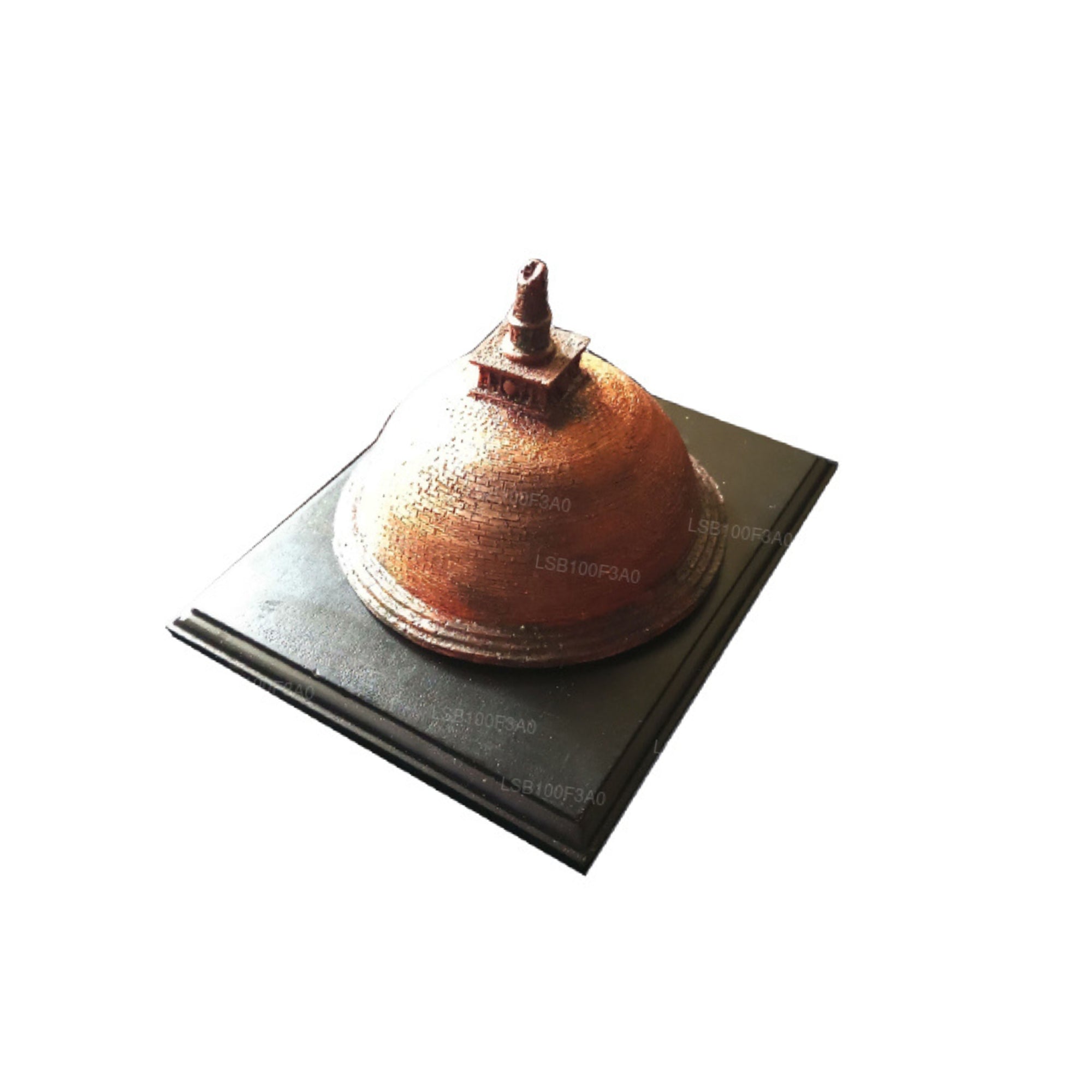
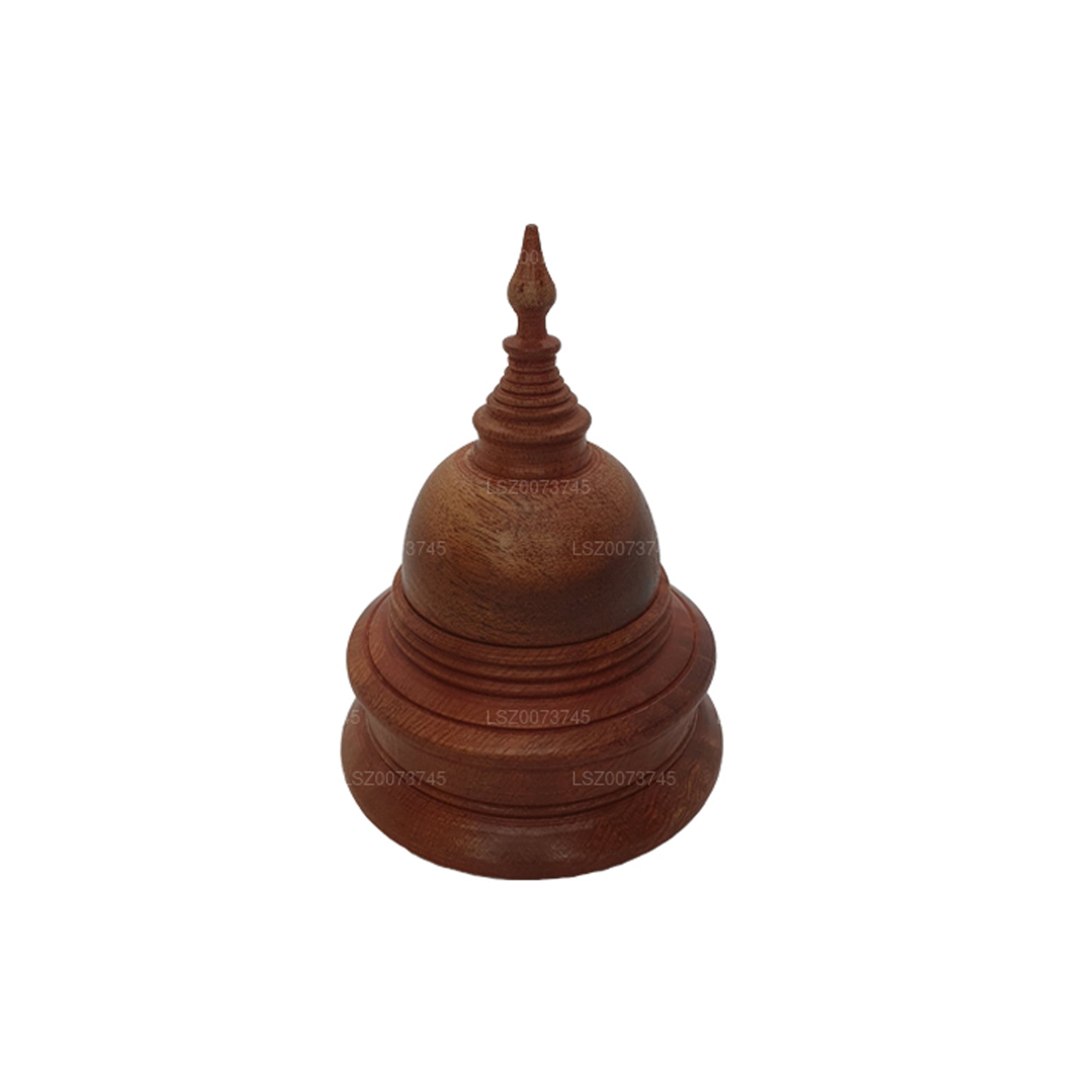
The stupa follows the classical Sri Lankan form: a large whitewashed dome (known as the anda) set on a raised platform, tapering upward through a square relic chamber (harmika) to a spire. Surrounding the main structure are smaller shrines, ornamental stone carvings, and flagpoles bearing Buddhist banners. The grounds are well maintained and landscaped, creating a calm enclosure that encourages slow exploration rather than a hurried visit.
Compared to the ancient stupas of Anuradhapura — such as the Jetavanaramaya or Ruwanwelisaya — Sandahiru Stupa is modest in scale. What distinguishes it is its relatively recent consecration, which means the ritual life of the site remains active: monks chant, laypeople make offerings, and the stupa is routinely used for poya-day ceremonies.
What can visitors do at and around Sandahiru Stupa?
- Circumambulate the stupa — walking clockwise around the base (pradakshina) is the traditional form of veneration and a meditative practice open to all visitors regardless of faith.
- Observe religious ceremonies — on full-moon poya days, the site draws local devotees and provides an authentic window into contemporary Sri Lankan Buddhist practice.
- Explore stone inscriptions and carvings — the surrounding compound contains decorative elements that reference both classical iconography and modern commemorative themes.
- Visit nearby ancient monuments — Sandahiru Stupa's location within Anuradhapura places it close to the Sacred City's UNESCO-listed sites, making it a natural stop on a broader heritage circuit.
Anuradhapura's ancient city is a short drive or tuk-tuk ride away, and many visitors combine Sandahiru Stupa with the Jetavanaramaya, the Sri Maha Bodhi, and the Ruwanwelisaya in a single day. The nearby Tambuttegama area also rewards those who want to venture slightly off the main heritage trail.
When is the best time to visit Sandahiru Stupa?
Anuradhapura's dry season runs roughly from May to September in the north-central region, with a secondary dry period from December to April — both windows offer comfortable conditions for outdoor exploration. Midday heat can be intense year-round, so arriving early in the morning or in the late afternoon is advisable. The stupa compound provides some shade, but visitors should carry water and wear light, breathable clothing.
Poya days (the full-moon day of each lunar month) bring the site to life with devotional activity. If your interest is cultural observation as much as sightseeing, timing a visit to coincide with a poya day adds considerably to the experience. The atmosphere is reverent rather than festive — expect quiet ceremony rather than pageantry.
How do I get to Sandahiru Stupa from Colombo?
Anuradhapura lies around 200 km north of Colombo, typically a journey of three to four hours by road depending on traffic. The most comfortable option for independent travellers is a private car or driver, which allows flexibility to combine Sandahiru Stupa with other sites in the area. Express trains from Colombo Fort to Anuradhapura also run regularly and take a similar amount of time; the station is a short tuk-tuk ride from the main heritage zone.
Within Anuradhapura, tuk-tuks and bicycles are the standard way to move between sites. The roads in the heritage area are largely flat, making cycling a practical and pleasant choice during cooler parts of the day.
What should visitors know before arriving?
- Dress code: White or light-coloured clothing is customary at Buddhist sacred sites in Sri Lanka. Shoulders and knees should be covered; shoes are removed before approaching the stupa platform.
- Photography: Photography is generally permitted in the outer compound. Exercise discretion near worshippers and always ask before photographing individuals in prayer.
- Entry: Sandahiru Stupa is primarily a place of religious observance. Check locally for any access arrangements, particularly if visiting as part of a larger group.
- Facilities: Basic facilities are available nearby. Anuradhapura town, a short drive away, has a wider range of restaurants and accommodation.
How does Sandahiru Stupa fit into an Anuradhapura itinerary?
Most visitors to Anuradhapura focus on the UNESCO World Heritage Site at the ancient city's core, which includes the Sri Maha Bodhi (the sacred fig tree), the Thuparamaya, and the great stupas of the classical period. Sandahiru Stupa sits outside that core zone and is best approached as a complement to, rather than a substitute for, those ancient sites.
A logical itinerary might begin at the ancient city in the morning — when light is best and crowds are thinner — then continue to Sandahiru Stupa in the mid-morning before the midday heat peaks. From Anuradhapura, many travellers continue north or loop east toward Polonnaruwa, the next great city of Sri Lanka's medieval period, adding another layer of historical context to the journey.
Nearby places
14 places within about 25 km, nearest first.
- Abhayagiri Monasteryunder 1 km
- Abhayagiri Museumunder 1 km
- Moonstone at Mahasen Maligayaunder 1 km
- Sandagiri stupaunder 1 km
- Abhayagiri Stupaunder 1 km
- Kuttam Pokunaunder 1 km
- Thuparamaya Stupaunder 1 km
- Eth Pokunaunder 1 km
- Jetavana Monasteryunder 1 km
- Abhayagiriya Dana shalawaunder 1 km
- Stone Bridge and Library (Pothgula)under 1 km
- Nuwara Wewa2 km
- Puliyankulama monastery2 km
- Srawasthipura Railway Station3 km