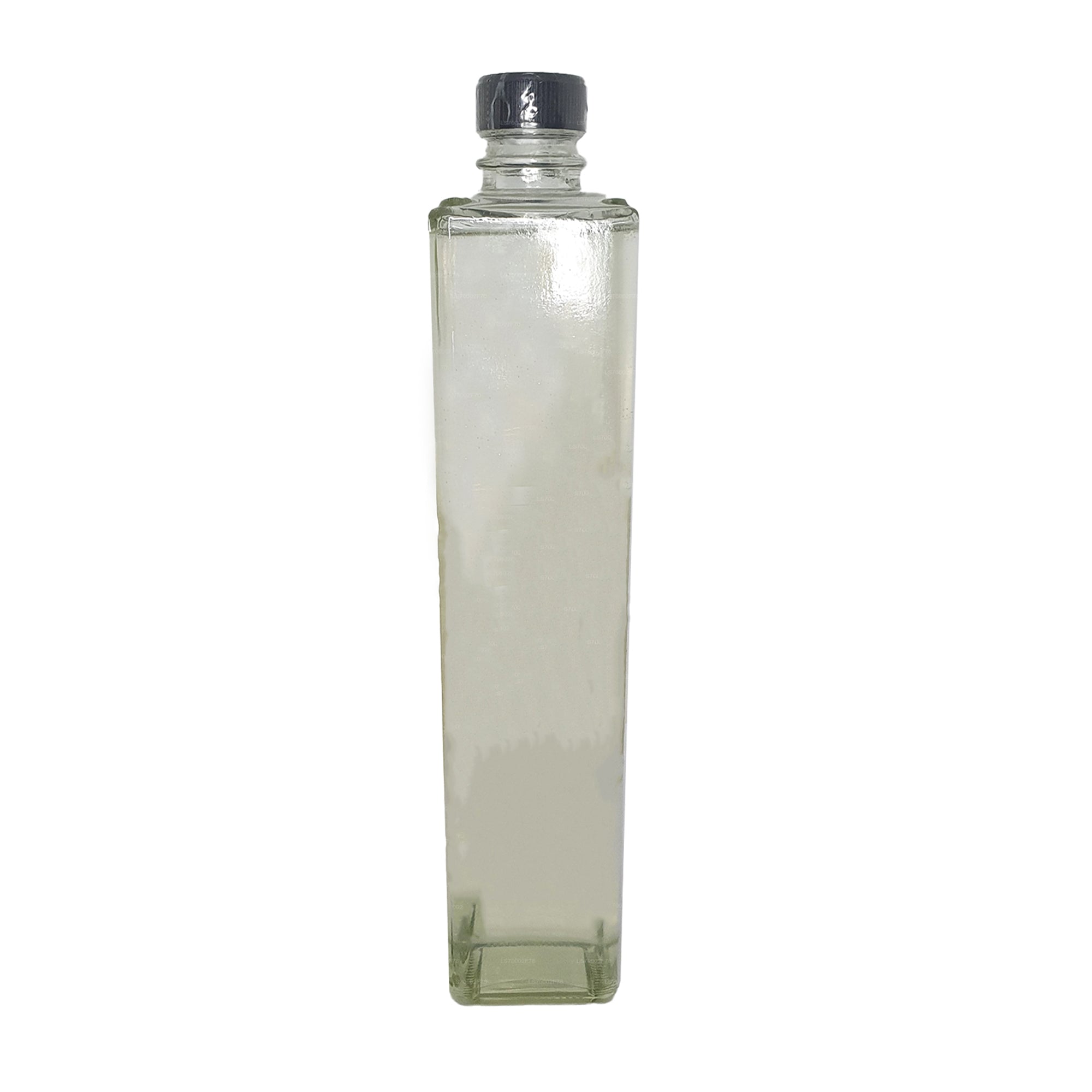
RBD coconut oil — Refined, Bleached, and Deodorized — is one of the most widely used forms of coconut oil in commercial kitchens, food manufacturing, and personal-care formulations worldwide. Produced from Sri Lankan copra using a carefully controlled physical-refining process, it retains the beneficial fatty-acid profile of coconut oil while delivering a clean, neutral flavour and a clear appearance that suits applications where a coconut aroma would be unwanted.
What does RBD mean, and how is the oil made?
The term RBD describes the three-stage process used to transform raw coconut crude oil into a finished, shelf-stable product:
- Refining — Copra (the dried kernel of the mature coconut) is pressed under hydraulic pressure to extract crude oil. Physical refining — rather than chemical refining with solvents — is used to remove free fatty acids while preserving the oil's natural composition.
- Bleaching — The crude oil passes through natural bleaching earth or activated clay, which adsorbs pigments, residual moisture, and trace contaminants without introducing synthetic chemicals.
- Deodorizing — Steam deodorization at elevated temperature removes volatile compounds responsible for the characteristic coconut scent, producing an odourless, flavour-neutral oil.
The result is a clear to pale-yellow oil that solidifies below roughly 24 °C and melts to a light liquid above that threshold — behaviour determined by its high concentration of medium-chain saturated fatty acids.
What are the key fatty acids in RBD coconut oil?
Because physical refining does not alter the fundamental fatty-acid structure, RBD coconut oil retains the medium-chain fatty acids (MCFAs) that are central to coconut oil's functional and nutritional properties:
- Lauric acid (C12) — typically the dominant fatty acid, associated with antimicrobial properties.
- Caprylic acid (C8) — a shorter-chain fatty acid, rapidly metabolised for energy.
- Capric acid (C10) — present in moderate amounts, contributes to the oil's antimicrobial profile.
- Myristic acid (C14) — a minor but notable component.
The oil is free of trans-fats and is not hydrogenated, which distinguishes it from partially hydrogenated vegetable oils that have been linked to cardiovascular concerns.
How does RBD coconut oil differ from virgin coconut oil?
Virgin coconut oil is cold-pressed from fresh coconut meat (not copra), retaining its natural aroma, flavour, and a slightly higher polyphenol content. RBD oil starts from dried copra and undergoes the refining process, sacrificing fragrance and some micronutrients in exchange for a neutral taste profile, higher smoke point, and a longer shelf life. Neither type is inherently superior — the right choice depends on the application. For dishes where a coconut flavour is desirable, Cocos nucifera virgin-pressed products are often preferred; for neutral-flavoured cooking, baking, or industrial food processing, RBD oil is the practical standard.
What is RBD coconut oil used for?
The neutral flavour and high-temperature stability of RBD coconut oil make it suitable across a wide range of uses:
- Everyday cooking and frying — It does not impart a coconut taste to food, making it interchangeable with other neutral cooking oils at moderate-to-high heat.
- Commercial food processing — Widely used by food manufacturers for biscuits, confectionery coatings, margarine blends, and snack foods, where a consistent, odourless fat is required.
- Bakery and pastry — Functions as a shortening alternative, contributing flakiness without altering flavour.
- Pharmaceuticals and nutraceuticals — Used as a carrier oil for encapsulated supplements and topical formulations.
- Cosmetics and personal care — An established emollient in lotions, soaps, hair conditioners, and lip balms. Its odourlessness allows formulators to introduce their own fragrance profiles.
- Sensitive digestion — Because medium-chain fatty acids are absorbed differently from long-chain fats, some individuals with sensitive digestive systems or certain fat-absorption issues find coconut-derived MCFAs easier to tolerate.
Why does Sri Lanka produce high-quality RBD coconut oil?
Sri Lanka has cultivated coconuts for centuries along its coastal lowlands, particularly in the North Western Province. The island's tropical climate — consistent warmth, high humidity, and seasonal rainfall — produces coconuts with a naturally high kernel fat content, yielding copra that delivers a rich, high-lauric crude oil. Established plantation infrastructure, generations of processing expertise, and proximity to major shipping routes make Sri Lanka a significant exporter of both crude and refined coconut oils to markets in Europe, the Middle East, and Asia.
How should RBD coconut oil be stored?
Store in a cool, dry location away from direct sunlight. Because the refining and deodorizing process removes volatile compounds that can turn rancid, RBD coconut oil generally has a longer shelf life than virgin coconut oil — typically 18 to 24 months when sealed. Once opened, keep the container tightly closed. The oil will naturally cycle between solid and liquid states depending on ambient temperature; this does not affect quality.
Is organic RBD coconut oil available?
Yes. When the source coconuts are grown without synthetic pesticides or fertilisers and the copra is processed through certified facilities, the finished RBD oil can carry an organic certification. Lakpura sources organically produced RBD coconut oil processed via physical refining, ensuring no synthetic bleaching agents or chemical solvents enter the production chain. Certificates of analysis covering fatty-acid composition, moisture content, and microbiological standards are available for trade buyers on request.
Related reading
4 pages on closely related subjects.