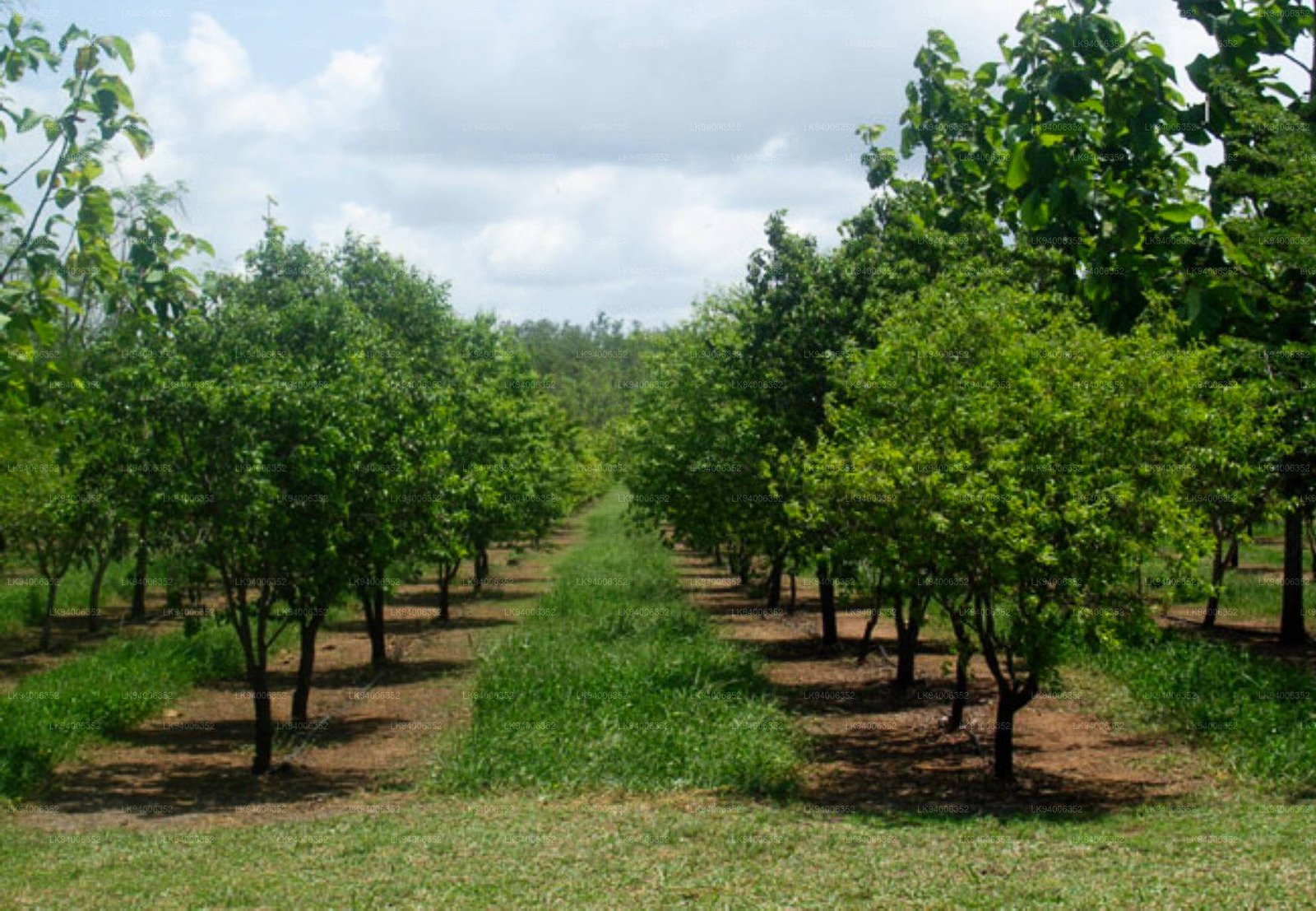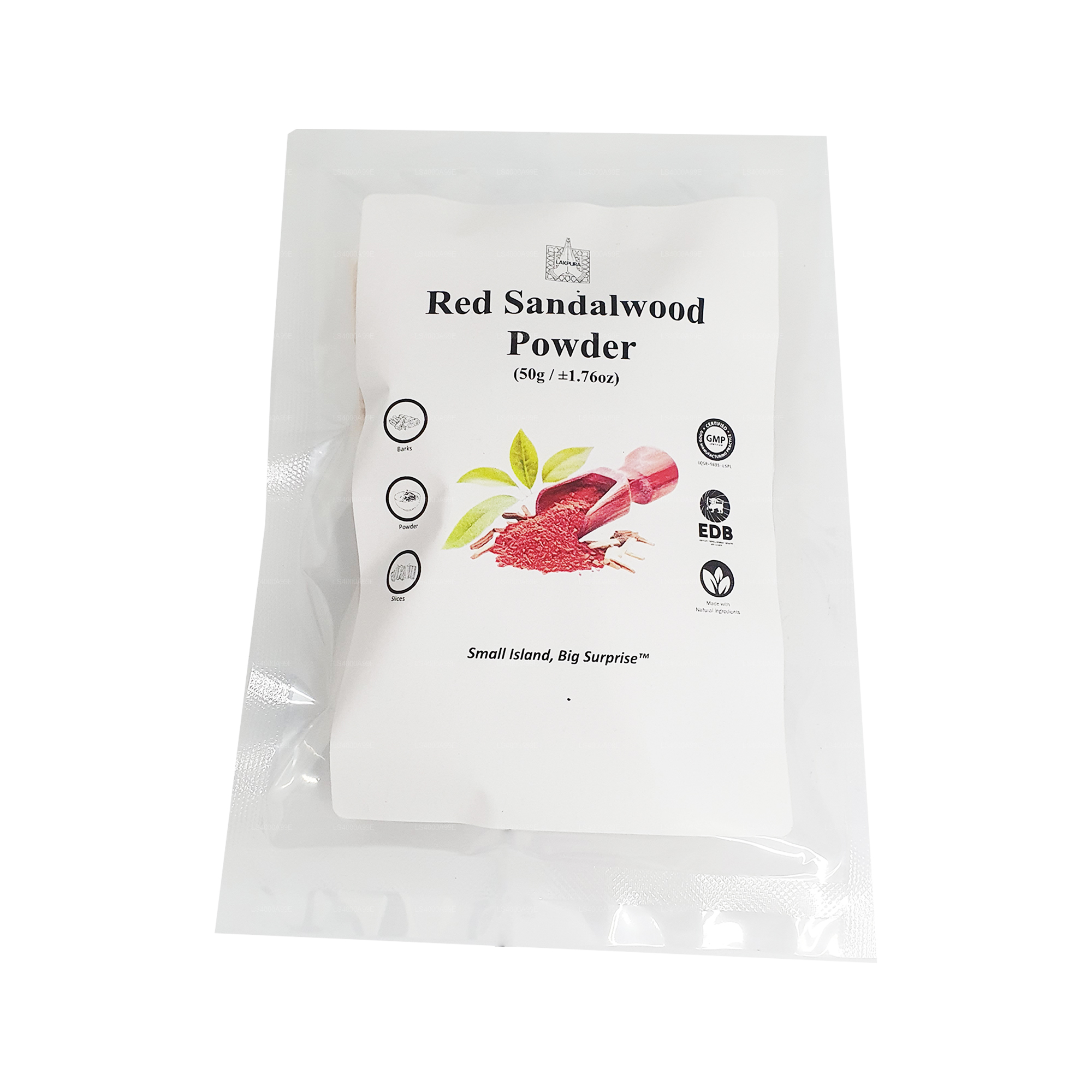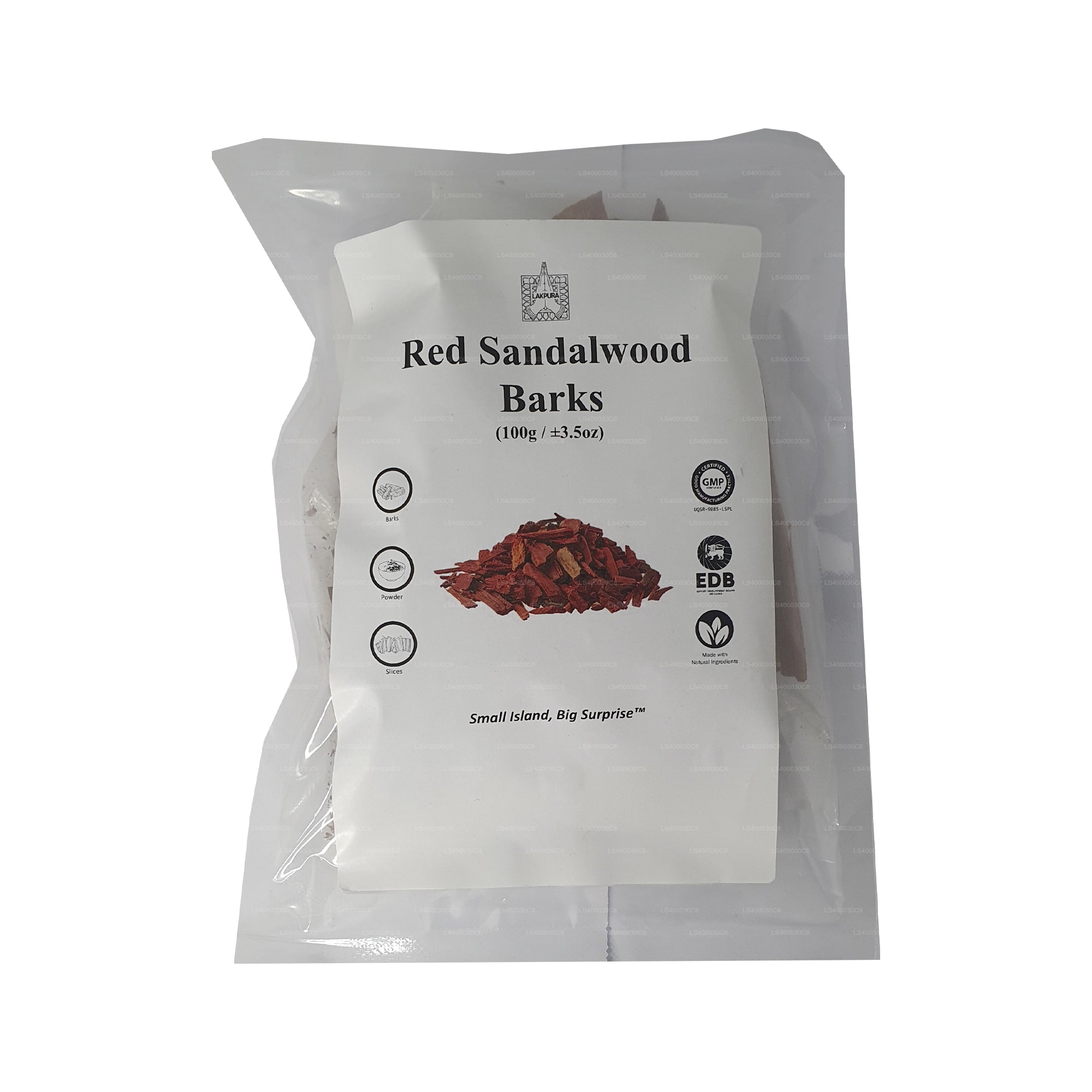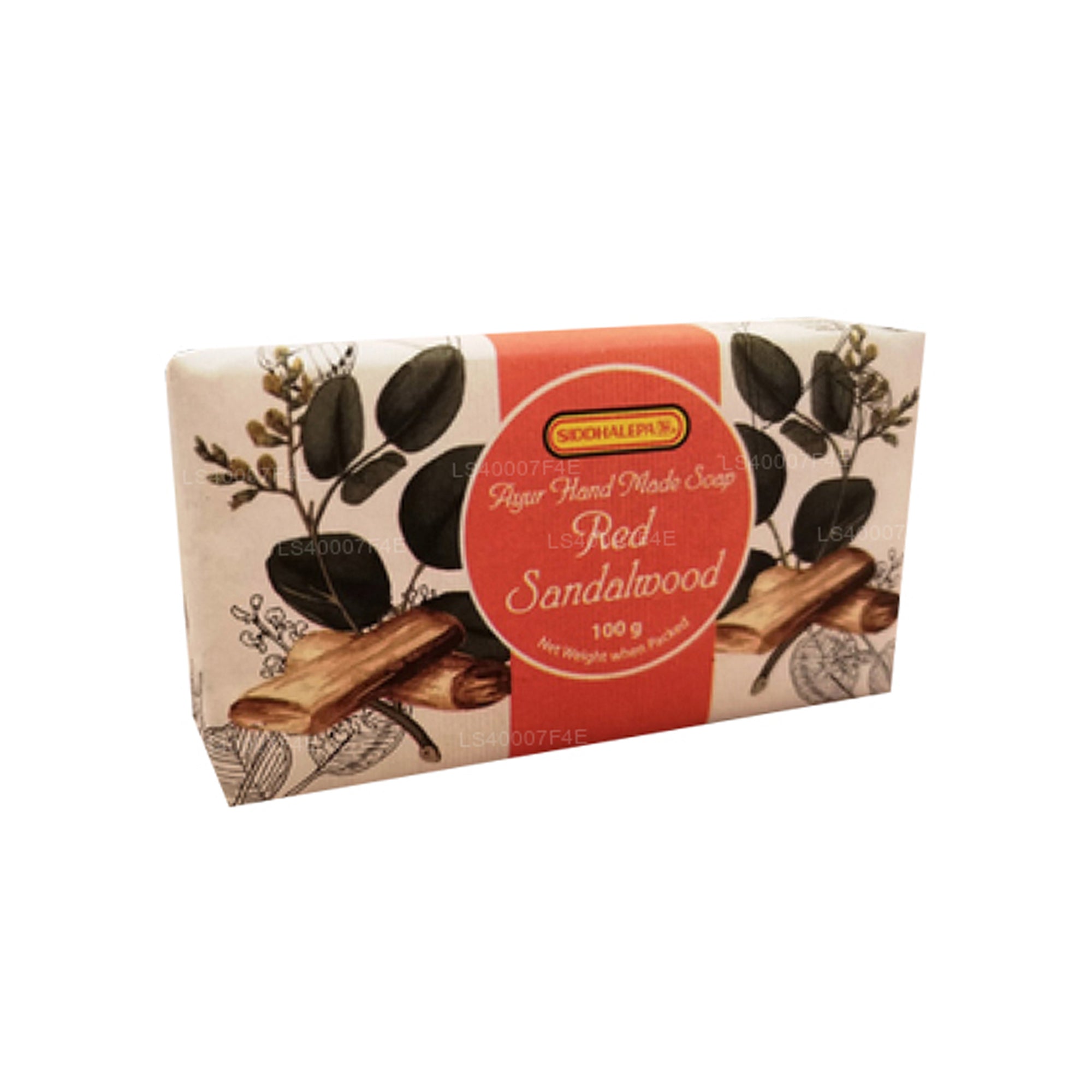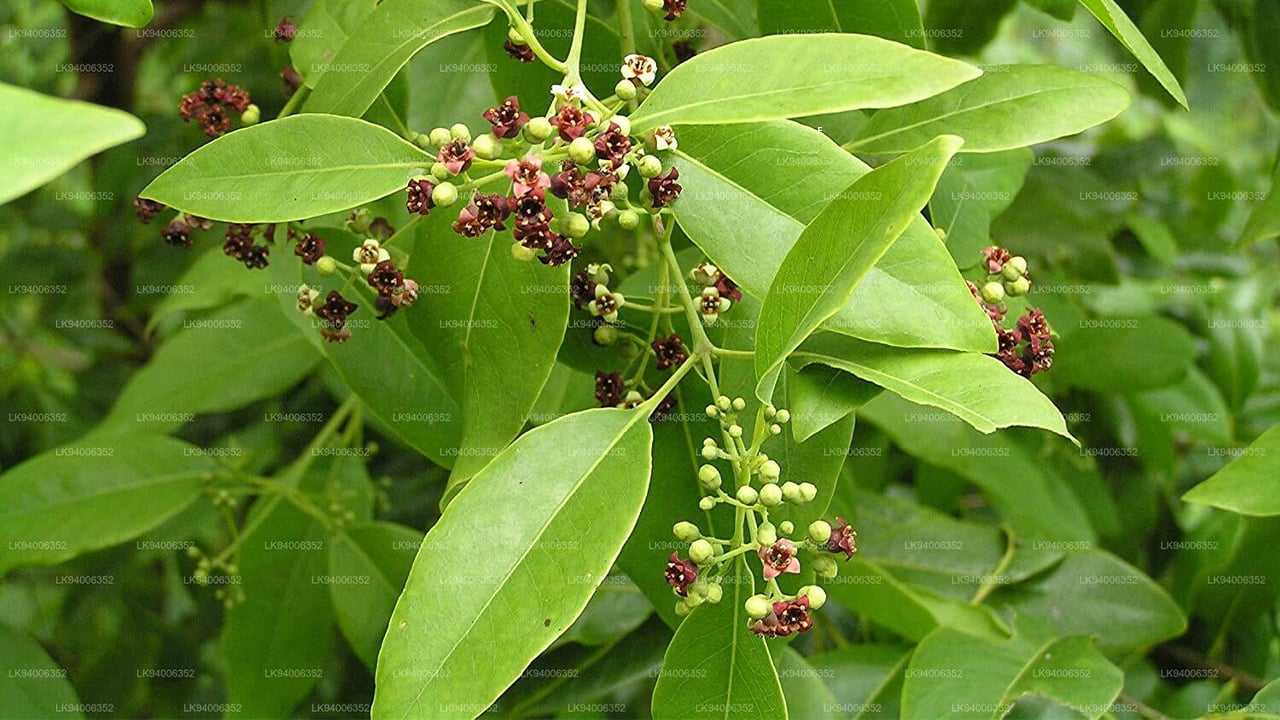
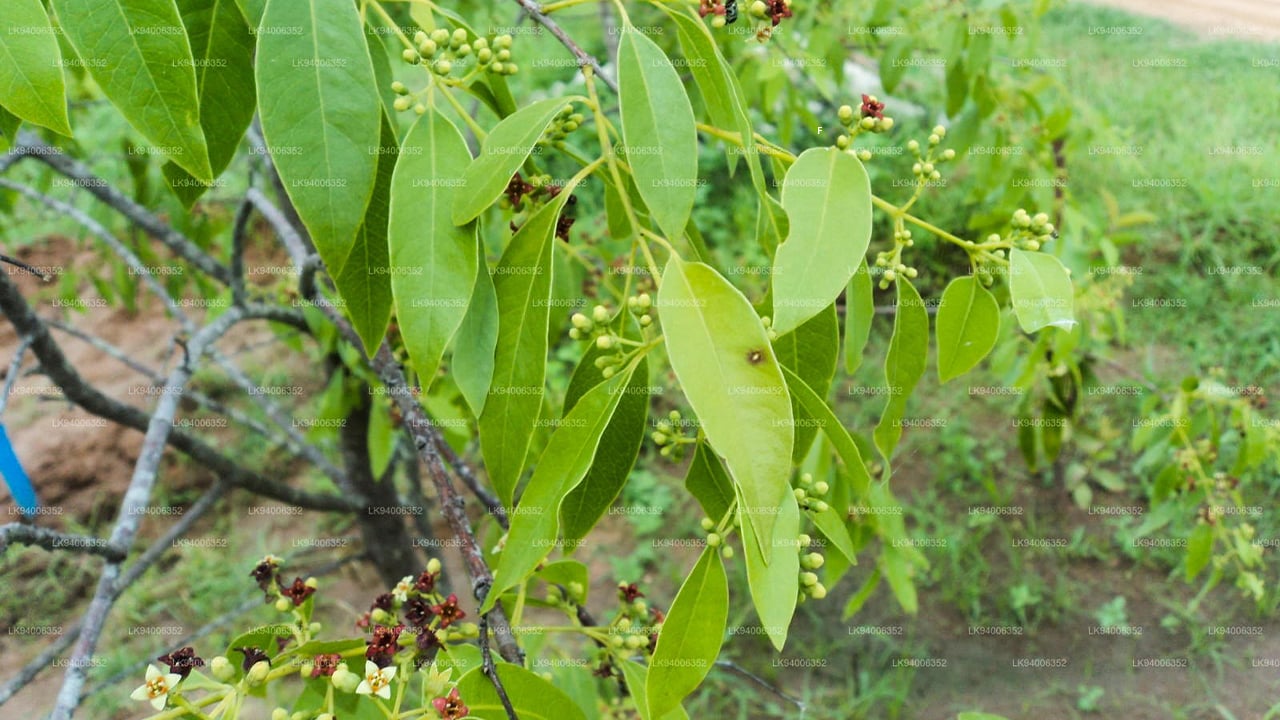
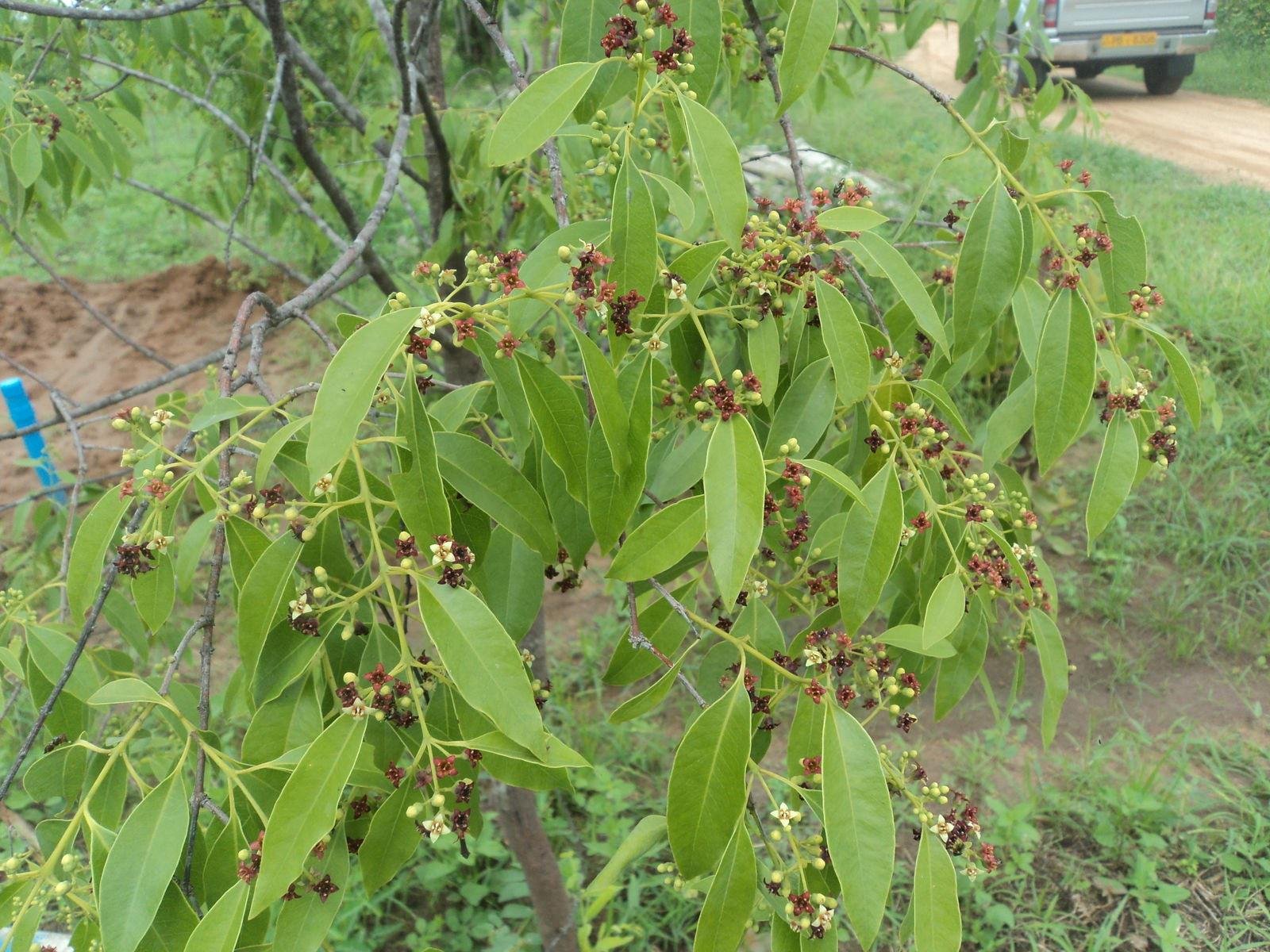
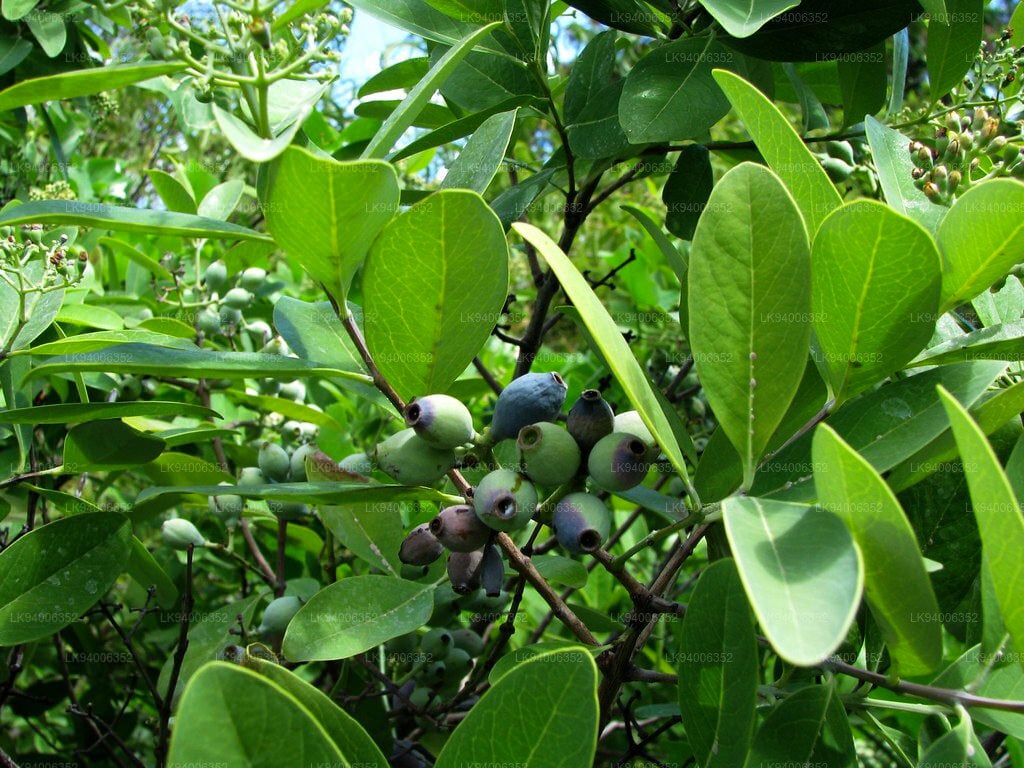
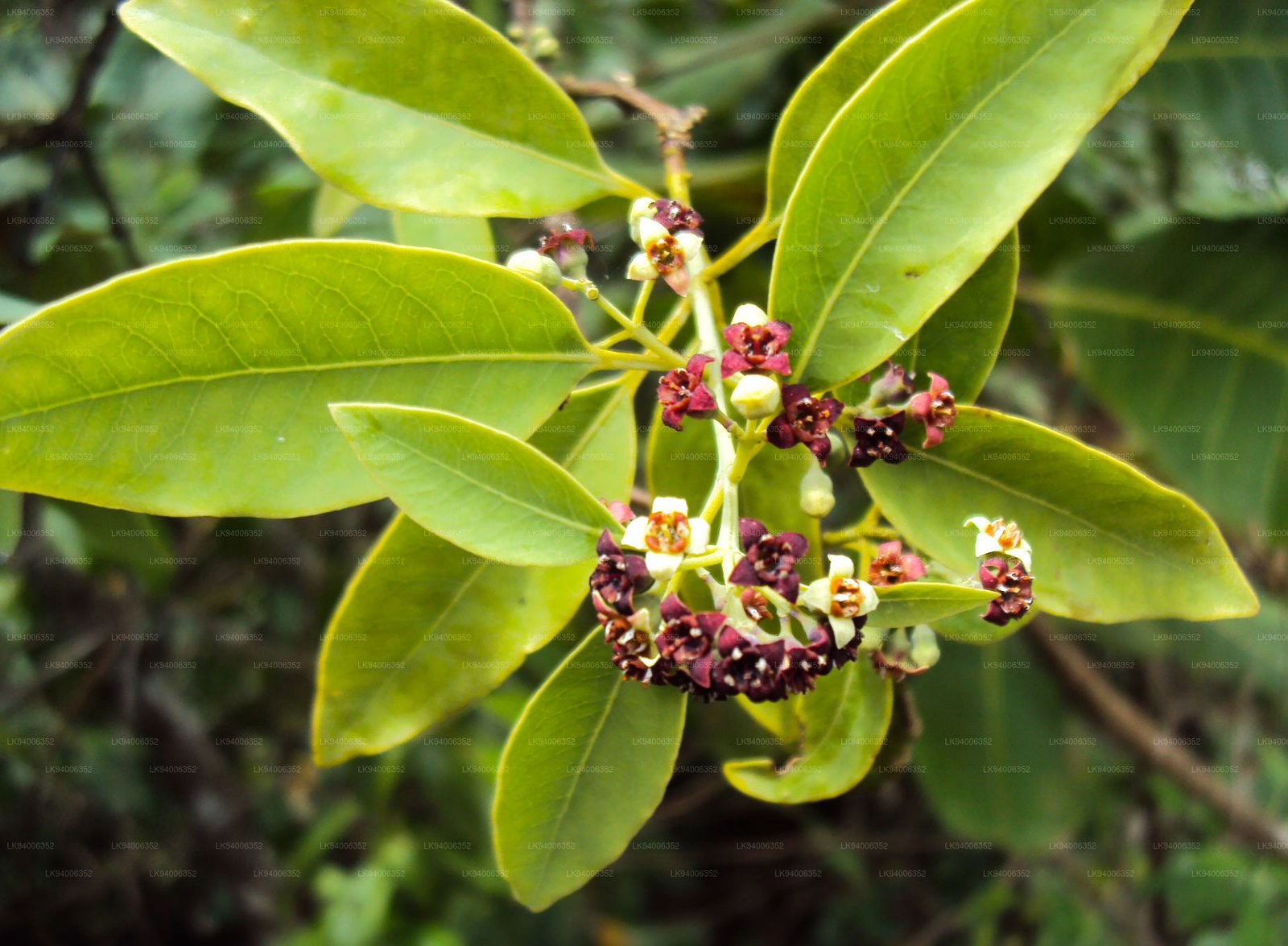
Pterocarpus santalinus, commonly known as red sanders, red sandalwood, or Rakt Chandan, is a deciduous tree endemic to the southern Eastern Ghats of South India. It belongs to the family Fabaceae and is best known for its exceptionally rich, deep-red heartwood — a characteristic that has made it commercially valuable for centuries in woodworking, natural dyes, traditional medicine, and more recently, cosmetics and incense.
How does red sandalwood differ from white sandalwood?
Pterocarpus santalinus is frequently confused with the aromatic sandalwood trees of the genus Santalum, which are native to parts of South India and Sri Lanka. The two are botanically unrelated. White or true sandalwood (Santalum album) is prized primarily for its warm, creamy fragrance and essential oil content. Red sandalwood, by contrast, is traditionally considered non-aromatic — its value lies in the vivid crimson pigment of its heartwood rather than any scent it carries.
In recent years, however, Pterocarpus santalinus has appeared increasingly as a component of incense blends, particularly in Western markets, where it contributes colour and a subtle woody character to the smoke. This should not be mistaken for the classical sandalwood fragrance associated with Santalum species.
What are the medicinal uses of Pterocarpus santalinus?
Red sandalwood has a long history in Ayurvedic and traditional herbal medicine across South Asia. Its heartwood, bark, and powder are referenced in classical texts for a range of therapeutic applications. Pterocarpus santalinus is formally listed in the catalogue of Ayurvedic medicinal plants of Sri Lanka, underscoring its recognised place within the island's healing traditions.
Documented traditional uses include:
- Antipyretic — used to help reduce fever
- Anti-inflammatory — applied topically or taken internally to reduce inflammation
- Anthelmintic — traditionally used to address intestinal parasites
- Antidysenteric — employed in the management of dysentery
- Haemostatic — used to assist in controlling bleeding (haemorrhage)
- Aphrodisiac — included in tonics in classical Ayurvedic formulations
- Anti-hyperglycaemic — studied for its potential role in blood sugar management
- Diaphoretic — used to induce perspiration in fever management
Modern pharmacological research has begun to examine several of these properties. Compounds including pterostilbene and santalin — the pigment responsible for the red colour — have attracted scientific interest, though most clinical evidence remains preliminary. As with all medicinal plants, the guidance of a qualified Ayurvedic practitioner is advisable before therapeutic use.
What are the traditional and modern uses of red sandalwood wood?
Beyond medicine, Pterocarpus santalinus heartwood has historically been used as a natural dye, imparting shades of red and burgundy to textiles and food preparations. In woodworking, its dense, fine-grained timber is valued for decorative inlays, musical instruments, and turned objects. The wood takes a high polish and resists warping, making it sought after for cabinetry and small luxury goods.
In cosmetics, red sandalwood powder is incorporated into face packs, body scrubs, and soaps. It is believed in Ayurvedic traditions to possess skin-brightening and cooling properties, and it remains a key ingredient in a number of Sri Lankan personal care products — from artisan soaps to body lotions and hydrosols. The Acacia chundra tree shares a similarly dual role in traditional medicine and natural dye production, making both plants important reference points within Sri Lanka's botanical heritage.
Is Pterocarpus santalinus found in Sri Lanka?
Pterocarpus santalinus is endemic to the Eastern Ghats of South India and is not native to Sri Lanka. However, it is well established within Sri Lankan Ayurvedic practice: its powder, barks, and derivative products are widely available in the country's herbal and apothecary markets. Sri Lanka's rich tradition of Ayurveda draws on botanical resources from across South Asia, and red sandalwood has been a recognised import for medicinal and cosmetic purposes for many generations.
Sri Lanka does host several related species within the genus Pterocarpus, as well as a wide array of endemic medicinal trees, many of which are found in protected forest areas such as the Sinharaja Forest Reserve — a UNESCO-listed biosphere reserve that shelters a significant proportion of the island's endemic flora.
How is red sandalwood used in Ayurvedic skincare?
Red sandalwood powder (Rakt Chandan) is a staple in Ayurvedic skincare routines. When blended with rose water, turmeric, or honey, it forms a traditional face pack said to cool the skin, even skin tone, and reduce inflammation. It features prominently in preparations for oily or acne-prone skin, and its astringent quality makes it useful in formulations for body scrubs.
Sri Lankan producers have incorporated Pterocarpus santalinus extract alongside indigenous ingredients — such as venivel (Coscinium fenestratum) and coconut derivatives — to create cosmetic products that bridge Ayurvedic tradition with modern personal care. These products are produced by well-known local brands and are available both within Sri Lanka and for international export.
What is the conservation status of Pterocarpus santalinus?
Pterocarpus santalinus is listed as Endangered on the IUCN Red List, primarily due to over-exploitation of its heartwood and habitat loss within the Eastern Ghats. The Indian government has imposed restrictions on its trade and export, and the species is listed under CITES Appendix II, which regulates international commercial trade. Sustainably sourced red sandalwood products — such as powders and barks certified through legitimate supply chains — are the responsible choice for consumers.
Other species in this genus
2 more, sharing the same genus.
Related reading
1 pages on closely related subjects.