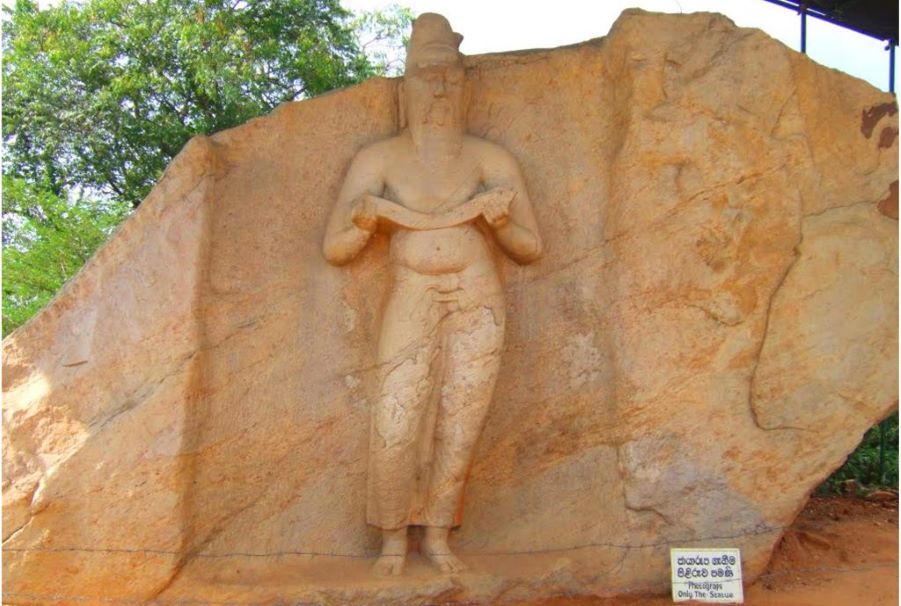
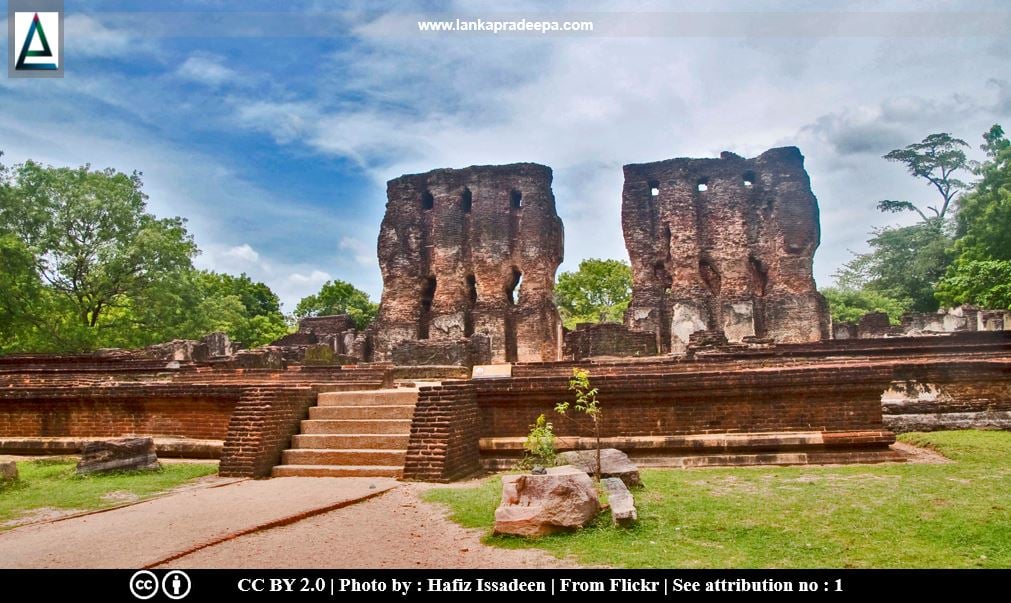
Few rulers in Sri Lanka's long history commanded the ambition and administrative reach of King Parakramabahu I. His reign, which stretched from 1153 to 1186 AD, is regarded as the high-water mark of the Polonnaruwa Kingdom — a period when the island was united under a single crown, hydraulic engineering pushed into new territory, and the arts flourished alongside statecraft.
Who was King Parakramabahu I?
Born into the Sinhala royal lineage, Parakramabahu rose to power through a combination of military skill and political acumen. He began his campaign from Dakkhina Desa (roughly the present-day Southern Province) and gradually consolidated control over the fragmented kingdoms of Rajarata and Ruhuna, eventually unifying the entire island under one administration — a feat that had eluded his predecessors for generations.
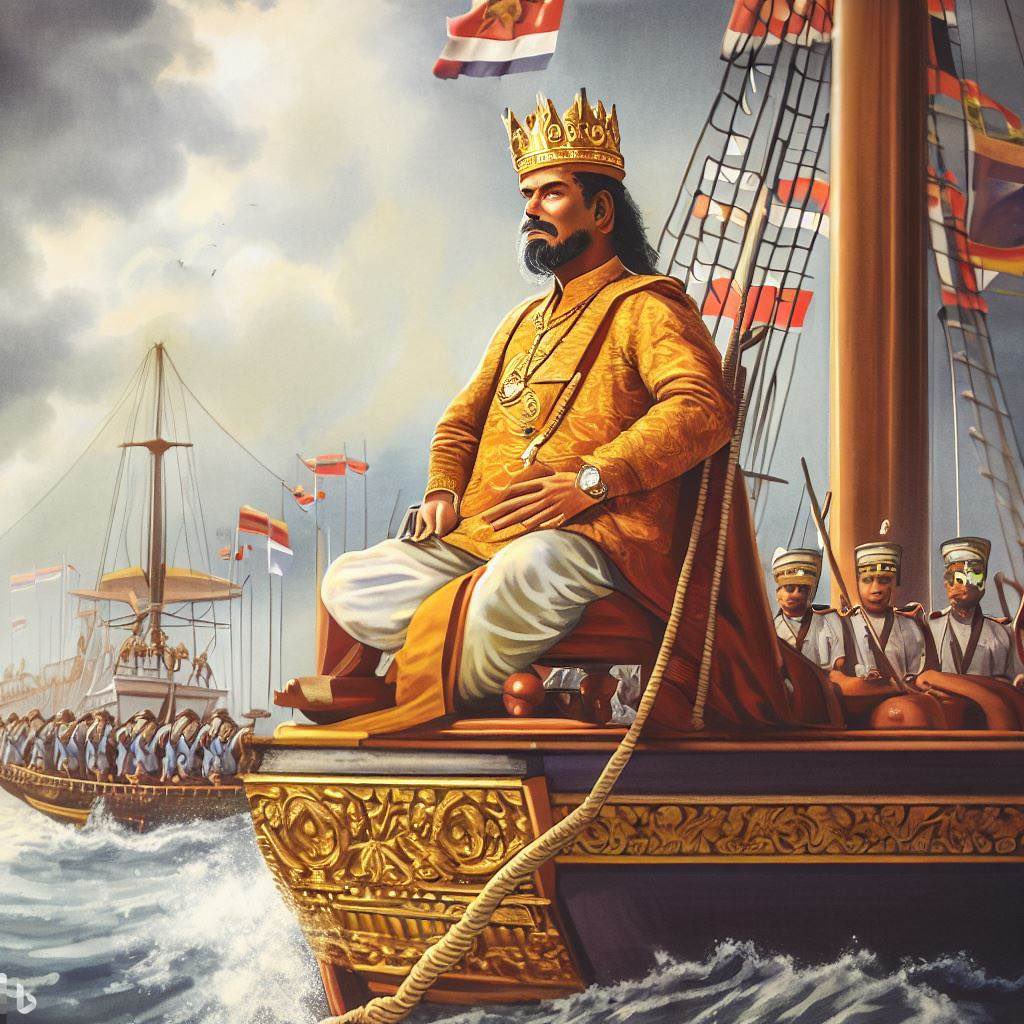
His ambitions were not confined to Sri Lanka. Historical chronicles record naval expeditions to Burma and southern India, suggesting a ruler who saw his kingdom as a regional power rather than a defensive enclave. The Cūḷavaṃsa, the Pali chronicle that is the principal source for his reign, portrays him as both a warrior-king and a devout patron of Buddhism.
What did Parakramabahu I build at Polonnaruwa?
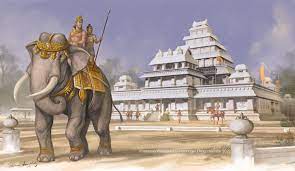
The medieval city of Polonnaruwa owes much of its current UNESCO World Heritage character to Parakramabahu I. He inherited a functioning capital and transformed it into one of the most sophisticated urban centres of 12th-century Asia. Among the most significant projects:
- Parakrama Samudra — The "Sea of Parakrama" is an enormous irrigation reservoir with a perimeter of around 14 kilometres. Constructed by linking several older tanks, it irrigated the rice fields of the Dry Zone and demonstrated a command of hydraulic engineering remarkable for the era. The reservoir still functions today.
- Gal Vihara — Carved from a single granite face, this rock temple complex contains four colossal Buddha figures: a seated meditating Buddha, a smaller seated figure inside a shrine, a rare standing Buddha around seven metres tall, and a 15-metre reclining Buddha entering parinirvana. The quality of the carving — executed without any joins in the rock — reflects an artistic tradition at its peak.
- Lankatilaka — A large image house whose brick walls still rise to considerable height, the Lankatilaka once sheltered a standing Buddha statue and is notable for its corbelled ceilings and intricate plasterwork reliefs.
- Vatadage — A circular relic house in the Dalada Maluwa (Sacred Quadrangle), with four entrances, concentric terraces, and stone screens of exceptional craftsmanship, built to enshrine the Tooth Relic of the Buddha.
- Rankoth Vehera — One of the largest dagobas (stupas) in Sri Lanka, standing around 55 metres high, modelled on the great stupas of Anuradhapura.
Taken together, these monuments made Polonnaruwa a centre of gravity for scholars, craftsmen, and religious figures from across South and Southeast Asia.
How did Parakramabahu I manage water and agriculture?
The king's most enduring practical legacy is arguably hydraulic. His administration repaired, extended, and linked hundreds of irrigation tanks across the Dry Zone, creating a system capable of supporting a large agrarian population. The Cūḷavaṃsa records his own declaration: that not a single drop of rainwater should flow into the sea without first being made useful to people — a statement that encapsulates the philosophy behind his water management policies.
This network of tanks and channels underpinned the rice economy, allowed the kingdom to field and feed large armies, and reduced vulnerability to drought. Modern Sri Lankan engineers and hydrologists continue to study the Polonnaruwa tank system as a model of pre-industrial water resource management.
What was the cultural and religious life of Polonnaruwa under Parakramabahu I?
Parakramabahu I was a significant patron of Theravada Buddhism, and one of his most consequential acts was convening a council to reunify the fractured Sangha (monastic community). By the 12th century, the Sinhala Buddhist order had split into several factions; the king brokered a reconciliation that produced a single, reform-minded Sangha — an event with ripple effects across Buddhist Southeast Asia, as reformed monks later carried the reformed tradition to Burma and Thailand.
The court also attracted poets and scholars. Literary works composed or patronised during his reign contributed to a medieval Sinhala literary canon that drew on both Sanskrit and Pali traditions. The Kiri Vehera Stupa at Polonnaruwa, one of the best-preserved of the ancient dagobas, is associated with this period of religious patronage.
What social policies did Parakramabahu I pursue?
The chronicles credit him with measures aimed at welfare as well as grandeur. Hospitals, rest houses for travellers, and facilities for the poor are mentioned alongside the great construction projects. While it is difficult to verify specifics across nine centuries, the administrative sophistication needed to coordinate large-scale irrigation works and military campaigns implies a state capable of organising public services of some scope. His reign is generally read by historians as a period of relative internal peace and managed prosperity — at least for the settled population of the Dry Zone heartland.
Why did the Polonnaruwa Kingdom decline after Parakramabahu I?
The very scale of Parakramabahu's ambitions may have contributed to the kingdom's subsequent fragility. His military campaigns — particularly overseas expeditions — were expensive in men and resources. Successors struggled to maintain the administrative cohesion he had built, and South Indian incursions intensified in the late 12th and 13th centuries. Within a century of his death the capital had effectively been abandoned, and the population gradually shifted southward and westward. The irrigation network, once the backbone of the Dry Zone economy, fell into disrepair without centralised maintenance.
This arc — rapid ascent, golden peak, gradual unravelling — makes Parakramabahu I one of those historical figures whose reign illuminates both the possibilities and the limits of centralised statecraft in pre-modern South Asia.
How can travellers explore King Parakramabahu's legacy today?
The ruins of Polonnaruwa are the obvious starting point. The UNESCO World Heritage Site is compact enough to cover in a day by bicycle — the preferred mode for most visitors — with the major monuments clustered in a well-maintained archaeological park. The Gal Vihara and the Sacred Quadrangle are the highlights, but the museum near the entrance provides essential context before touring the site.
The Parakrama Samudra remains an active reservoir and can be seen from the road running along its bund; sunset over the water, with the silhouettes of ruined walls in the middle distance, is one of the more quietly affecting views in the Cultural Triangle. Guided tours, whether private or group-based, significantly deepen the experience by linking the physical remains to the narrative of Parakramabahu's campaigns and construction programmes.