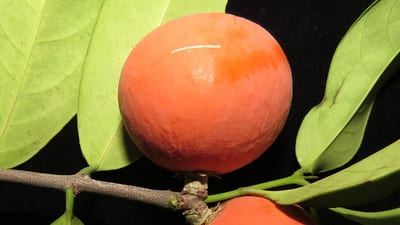
Grewia carpinifolia is a native plant of Sri Lanka known locally as Wel Keliya (වැල් කෑලිය). It belongs to the family Tiliaceae, a group of plants that includes many shrubs and trees valued for their fibrous bark and, in some species, edible fruit. This profile summarises the recorded botanical and conservation facts for the species.
What does Grewia carpinifolia look like?
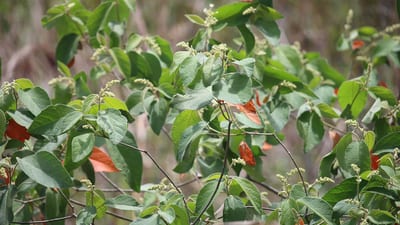
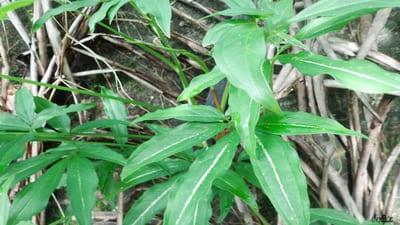
As a member of the genus Grewia, this species typically grows as a shrub or small climbing plant, a habit reflected in its Sinhala name Wel Keliya, where "wel" refers to a vine or climber. Plants in the Tiliaceae family generally produce simple, alternate leaves and small, often inconspicuous flowers, with many species bearing small drupe-like fruits.
Where does Grewia carpinifolia grow in Sri Lanka?
The species is native to Sri Lanka, meaning it occurs naturally on the island as part of its indigenous flora. The Grewia genus as a whole is widespread across tropical and subtropical regions of Africa and Asia, and Sri Lankan populations form part of this broader distribution.
What is its conservation status?
According to the National Conservation Status list of Sri Lanka (2012), Grewia carpinifolia is classified as Least Concern. This designation indicates that the species is not currently considered at risk of extinction within the country.
What is it called in Sinhala?
In Sinhala, the plant is known as Wel Keliya (වැල් කෑලිය). This local name is commonly used alongside the scientific name in botanical and ethnobotanical records of Sri Lankan flora.
Are the fruits of Grewia carpinifolia edible?
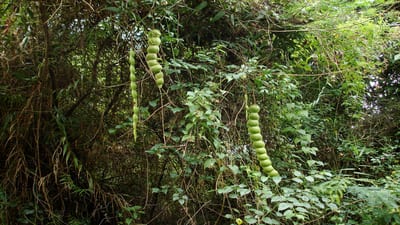
The fruit of Grewia carpinifolia is recorded as an edible wild fruit. It is one of several wild fruiting plants native to Sri Lanka that form part of the island's lesser-known indigenous flora, alongside other native species documented in Lakpura's nature and flora records.
| Attribute | Recorded Detail |
|---|---|
| Scientific name | Grewia carpinifolia |
| Family | Tiliaceae |
| Sinhala / local name | Wel keliya (වැල් කෑලිය) |
| Status in Sri Lanka | Native |
| Conservation status (NCS, 2012) | Least Concerned |
| Edible parts | Fruit (wild fruit) |
Other species in this genus
2 more, sharing the same genus.