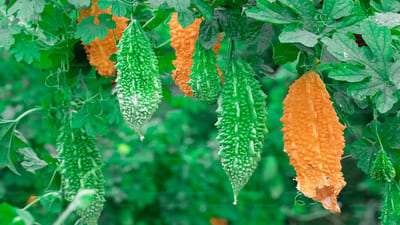
Dioscorea bulbifera is a climbing vine native to Sri Lanka, known locally as Udala or Panu kodol. It belongs to the yam family, Dioscoreaceae, and is recorded with a Least Concerned conservation status on the National Conservation Status list of Sri Lanka (2012).
What does Dioscorea bulbifera look like?
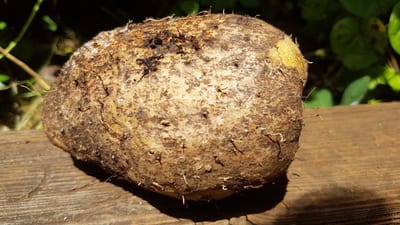
Like other members of the Dioscoreaceae, Dioscorea bulbifera is a twining perennial vine that climbs using its stems rather than tendrils. Plants in this genus typically produce heart-shaped leaves and small aerial tubers, or bulbils, along the stem, a feature that gives the species its common English name, air yam.
Where does it grow?
The species is native to Sri Lanka, where it occurs as part of the island's broader botanical heritage alongside many other indigenous climbers and tubers. Species in this genus are typically found across tropical and subtropical regions more widely, including parts of Asia and Africa.
What is it called in Sinhala and Sanskrit?
In Sinhala, the plant is known as Udala (උඩල) or Panu kodol (පණු කොඩොල්). In Sanskrit, it is referred to as Aaluka bheda. These names are recorded alongside its scientific identity in Lakpura's indigenous plants register.
Is Dioscorea bulbifera edible?
No edible parts are recorded for this species. It should not be eaten, as many wild yams in this genus, including bulbiferous forms, are known to be toxic unless specially processed, and no such processing or food use applies here.
What is its conservation status?
The National Conservation Status list of Sri Lanka (2012) records Dioscorea bulbifera as Least Concerned, indicating it is not currently considered at risk within the island.
| Attribute | Recorded detail |
|---|---|
| Scientific name | Dioscorea bulbifera |
| Family | Dioscoreaceae |
| English name | Air yam |
| Sinhala / local name | Udala (උඩල) / Panu kodol (පණු කොඩොල්) |
| Sanskrit name | Aaluka bheda |
| Status in Sri Lanka | Native |
| Conservation status (NCS 2012) | Least Concerned |
| Edible parts | None |
Other species in this genus
7 more, sharing the same genus.