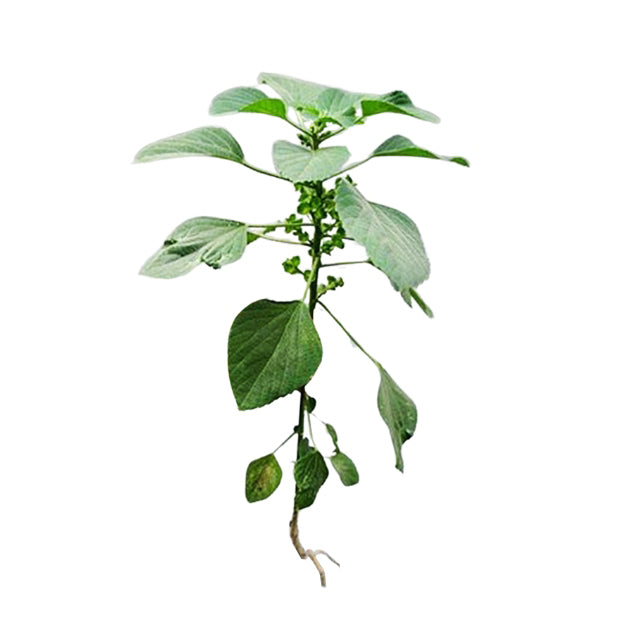




Centranthera indica is a small, semi-parasitic flowering plant recognized within Sri Lanka's catalog of ayurvedic medicinal plants. It belongs to the family Orobanchaceae (formerly classified under Scrophulariaceae) and grows across the island's grasslands, scrublands, and open patchy terrain, often in association with host grasses whose roots it taps for nutrients. Though modest in size, this herb has attracted the attention of traditional healers for generations and continues to interest botanical researchers exploring Sri Lanka's rich pharmacological heritage.
What is Centranthera indica and where does it grow?
Centranthera indica is an annual or short-lived herb that typically reaches around 20–50 cm in height. Its stems are erect and rough-textured, bearing narrow, opposite leaves. The plant produces small tubular flowers that are typically pale yellow to whitish in color, appearing in clusters along the upper stems during the wetter months of the year.
In Sri Lanka, it tends to favor moist lowland grasslands, forest margins, and disturbed open land at low to mid elevations. It is found across several provinces, often alongside other semi-parasitic species that share similar habitat preferences. The plant's partial dependence on host plant roots means it rarely dominates a landscape but can be spotted with a careful eye during field walks in suitable terrain.
Beyond Sri Lanka, Centranthera indica has a broad distribution across South and Southeast Asia, including parts of India, Myanmar, and southern China, suggesting long evolutionary adaptation to tropical and subtropical grassland ecosystems.
What are the traditional medicinal uses of Centranthera indica?
Within Sri Lanka's Ayurvedic tradition, Centranthera indica is documented as a plant with potential therapeutic properties, though its use is typically the domain of trained practitioners rather than everyday household remedy. Traditional systems of medicine in the region have associated various parts of the plant — including the aerial portions — with applications related to skin conditions, inflammatory complaints, and general wellness support.
Ethnobotanical surveys conducted in Sri Lanka and India have noted its inclusion in compound formulations rather than as a standalone treatment. As with many plants in the ayurvedic pharmacopeia, the whole plant, including roots, stems, and leaves, may be prepared through decoction or dried and powdered for incorporation into classical formulas.
It is worth emphasizing that traditional medicinal use does not constitute a clinical recommendation. Anyone exploring plant-based therapies should do so under qualified guidance. Sri Lanka's Department of Ayurveda oversees the regulation and promotion of traditional medicine on the island, and the country's university system includes dedicated faculties for Ayurvedic studies.
How does Centranthera indica fit into Sri Lanka's broader botanical heritage?
Sri Lanka's floral diversity is exceptional for an island of its size. The island is recognized as one of the world's biodiversity hotspots, and a significant proportion of its plant species hold documented roles in traditional medicine. Centranthera indica sits within this wider context — one of hundreds of species that local healers, or veda mahattaya, have catalogued and worked with across centuries of practice.
The Sinharaja Forest Reserve, a UNESCO World Heritage Site, is among the habitats that shelter a remarkable concentration of endemic flora, and awareness of lesser-known medicinal plants like Centranthera indica helps build the case for conserving not only iconic landscapes but also the quieter, more overlooked corners of Sri Lanka's ecosystems — the grasslands and scrubby margins where semi-parasitic herbs quietly persist.
Interest in Sri Lankan medicinal plants has grown internationally as researchers investigate bioactive compounds derived from traditional flora. Centranthera indica and related species in the Orobanchaceae family contain phytochemical constituents that have been the subject of preliminary scientific inquiry, though comprehensive clinical data remains limited.
How can visitors connect with Sri Lanka's ayurvedic plant heritage?
For travelers with an interest in traditional medicine and ethnobotany, Sri Lanka offers genuine opportunities to engage beyond the surface level. Several botanical gardens — most notably the Royal Botanic Gardens in Peradeniya near Kandy — maintain collections that include medicinal plants and are well labeled for visitors. Guided walks in rural areas can bring travelers face to face with plants like Centranthera indica in their natural setting.
Ayurvedic wellness centers across the island offer consultations and treatments rooted in the same tradition that values plants such as this one. Many programs incorporate plant identification walks, herbal preparation demonstrations, and direct engagement with local practitioners. This kind of immersive encounter tends to leave a more lasting impression than any museum exhibit.
Sri Lanka also exports a range of botanically derived products — from Ceylon black pepper to herbal teas and dried medicinal plant material — that reflect the island's long relationship with its plant kingdom. Responsible sourcing and quality assurance are increasingly important considerations in this space, and Lakpura works with suppliers who prioritize both.
What is the conservation status of Centranthera indica in Sri Lanka?
Centranthera indica is not currently listed as a threatened species in Sri Lanka, and its habitat range across open grasslands and forest edges gives it a relatively broad ecological footprint. That said, habitat loss through agricultural expansion, urbanization, and the degradation of lowland grasslands poses an indirect threat to populations of this and many other medicinal plants across the island.
Semi-parasitic plants occupy a distinctive ecological niche, and their survival is tied not only to soil conditions but also to the availability of suitable host plants. Changes in land use that affect grass communities can therefore have a cascading effect on species like Centranthera indica. Botanical surveys by institutions such as the University of Kelaniya and the Peradeniya University Faculty of Science continue to document Sri Lanka's medicinal flora and inform conservation policy.
Travelers who visit Sri Lanka with an interest in ecology can contribute meaningfully by choosing experiences that support habitat conservation — whether through wildlife-focused itineraries in national parks or community-based rural tours that create economic value around intact natural landscapes.