Bihalpola Raja Maha Viharaya is one of Sri Lanka's quietly significant Buddhist temples, carrying layers of history that stretch back more than two millennia. Founded during the reign of King Devanampiya Tissa (around 250–210 BC) and later renovated under King Walagamba (89–77 BC), the site weaves together the earliest Buddhist settlements of the Anuradhapura era with the artistic traditions of the Kandyan period, making it a compelling destination for those interested in the island's religious and architectural heritage.
What are the historical origins of Bihalpola Raja Maha Viharaya?
The temple's roots lie in the Anuradhapura period, when Sri Lanka's first Buddhist monasteries were being established across the island following the arrival of Buddhism in the 3rd century BC. King Devanampiya Tissa, who is closely associated with the formal introduction of Buddhism to Sri Lanka, is credited with the original construction of the viharaya.
King Walagamba, who reclaimed his throne after years in exile, subsequently renovated the site. His reign is remembered not only for military and political achievements but also for a significant contribution to Buddhist culture: it was during this period that the Pali Canon was first committed to writing at Aluvihara and other monasteries across the island. Wall paintings at Bihalpola depicting King Walagamba and the deity Natha are believed to date from around this time, though they are now in a badly deteriorated state.
What ruins and structures can be seen at the site?
Visitors exploring the grounds will encounter a range of physical remains that speak to the temple's long occupation and layered history.
- Ancient stupa: A stupa stands among the ruins, consistent with the monastic architecture of the Anuradhapura period.
- Attani pillar inscription: A stone inscription of considerable antiquity, offering epigraphic evidence of the site's early use.
- Stone pillar bases and steps: Several structural remnants, likely belonging to the Anuradhapura era, are scattered across the grounds.
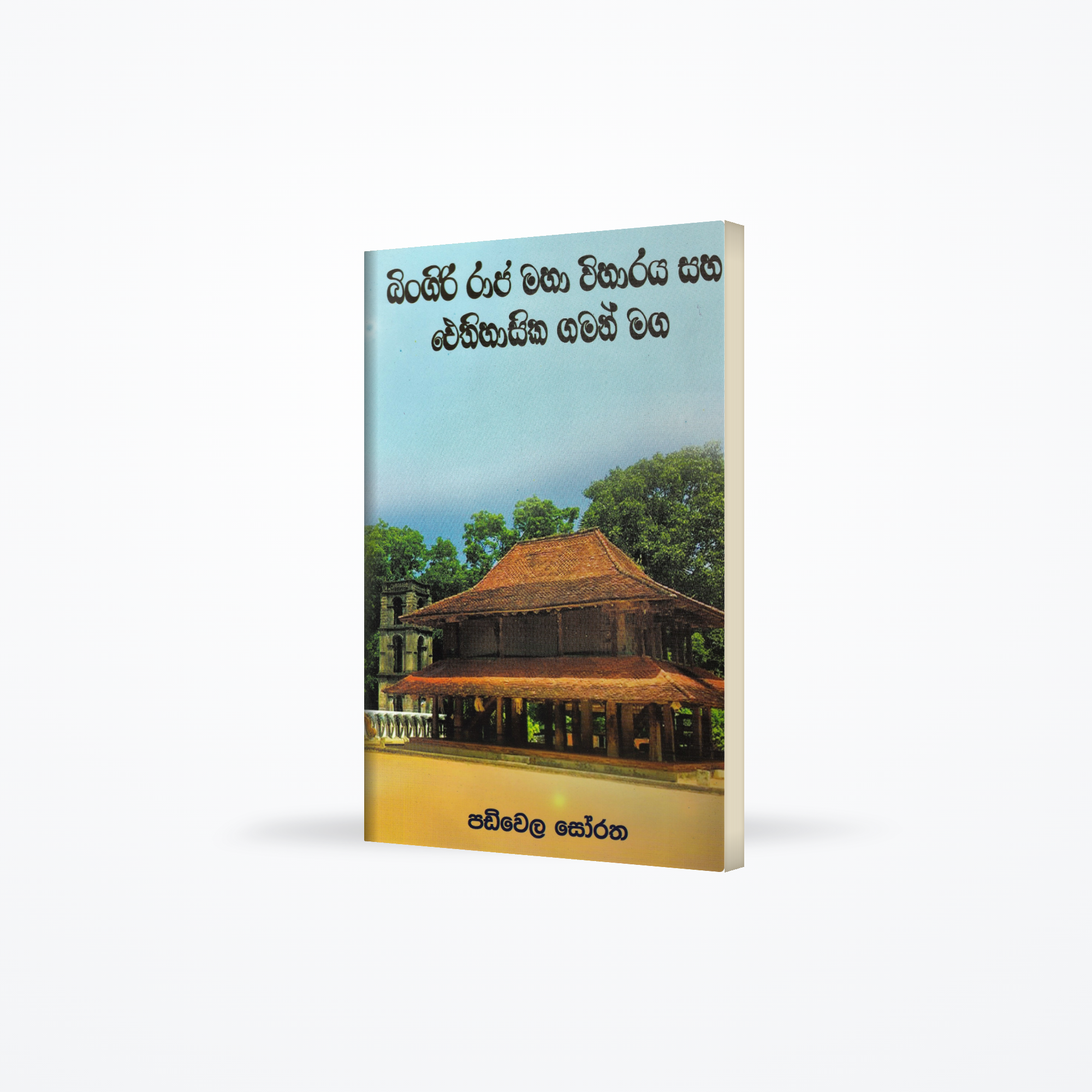
- Tempita Viharaya (Datu Mandiraya): A raised relic house built during the Kandyan period, which represents the temple's later architectural phase and contains the site's most intact artwork.
What paintings and artwork are inside the Tempita Viharaya?
The Tempita Viharaya, also known as the Datu Mandiraya or Relic House, is the artistic highlight of Bihalpola Raja Maha Viharaya. Its interior follows the conventions of Kandyan-period Buddhist mural painting, which flourished between the 17th and 19th centuries.
On the walls, figures of the venerable Arahants Sariputta and Moggallana — the two chief disciples of the Buddha — are depicted with care and devotion. The ceiling carries an elaborate lotus design, a motif central to Buddhist iconography that symbolises purity and enlightenment. Along the corridor walls, scenes from the Vessantara Jataka and several other Jataka stories unfold in narrative sequence, illustrating the virtuous deeds of the Bodhisatta in previous lives.
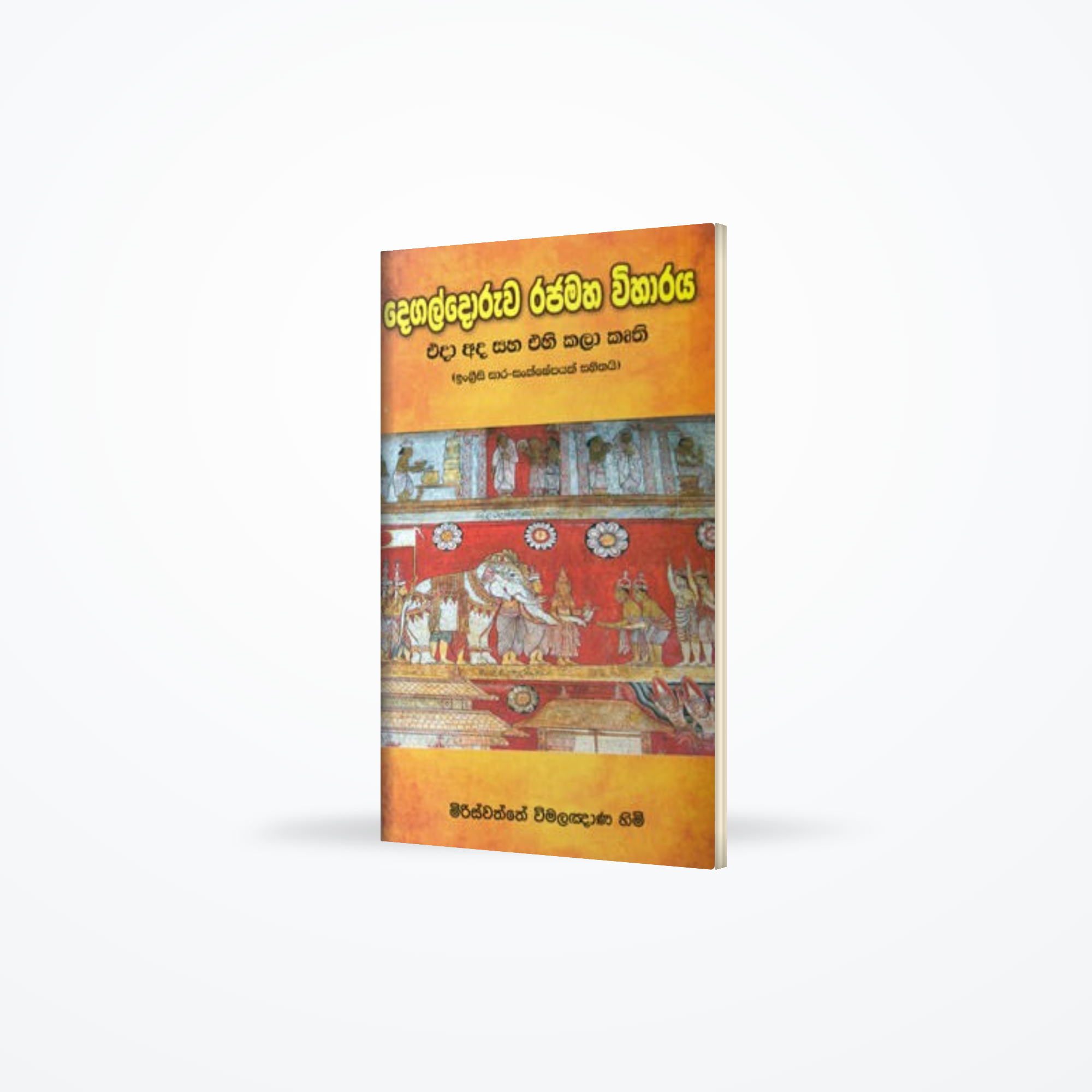
These murals, while not as widely publicised as those at Degaldoruwa or Dambulla, offer an authentic and relatively undisturbed window into the Kandyan school of religious painting.
Has the temple suffered any damage?
The site has endured significant damage over the centuries from two distinct causes. Treasure hunters have destroyed the Sacred Footprint of the Buddha and a number of statues that once stood within the temple — an irreversible loss that is unfortunately common among Sri Lanka's less-guarded heritage sites.
A fire in 1997 compounded the damage, destroying several murals and a wooden Makara Thorana — an ornate gateway arch that is a hallmark of Kandyan-period temple architecture. The surviving paintings, including the early depictions of King Walagamba and the deity Natha, have continued to deteriorate due to age and humidity, underscoring the need for sustained conservation efforts.
When is the best time to visit Bihalpola Raja Maha Viharaya?
The temple can be visited throughout the year, and there is no single peak season that dominates visitor numbers. The dry months between December and April are generally more comfortable for travel in this part of Sri Lanka, with clearer skies and roads in good condition. Buddhist poya (full moon) days bring more devotees to the temple and offer a chance to observe traditional religious observances, though the atmosphere remains respectful and subdued rather than festive.
Early mornings are the most peaceful time to walk the grounds and examine the murals in good natural light. Modest dress — covered shoulders and legs — is required, as with all active places of Buddhist worship.
How does Bihalpola Raja Maha Viharaya fit into a broader temple circuit?
For travellers with a serious interest in Sri Lanka's Buddhist heritage, Bihalpola Raja Maha Viharaya pairs naturally with other viharayas in the Kandy region, where the density of Kandyan-period temples is particularly high. The Kandy city tour typically covers the Dalada Maligawa (Temple of the Tooth Relic) and several nearby temples, and Bihalpola can be incorporated as a half-day extension for those who want to move beyond the most frequented circuits.
Travellers exploring ancient Sri Lankan history more broadly may also wish to visit Polonnaruwa, where a far larger collection of Anuradhapura and medieval-period Buddhist monuments has been preserved within a UNESCO World Heritage Site.
Nearby places
8 places within about 25 km, nearest first.
Related reading
3 pages on closely related subjects.