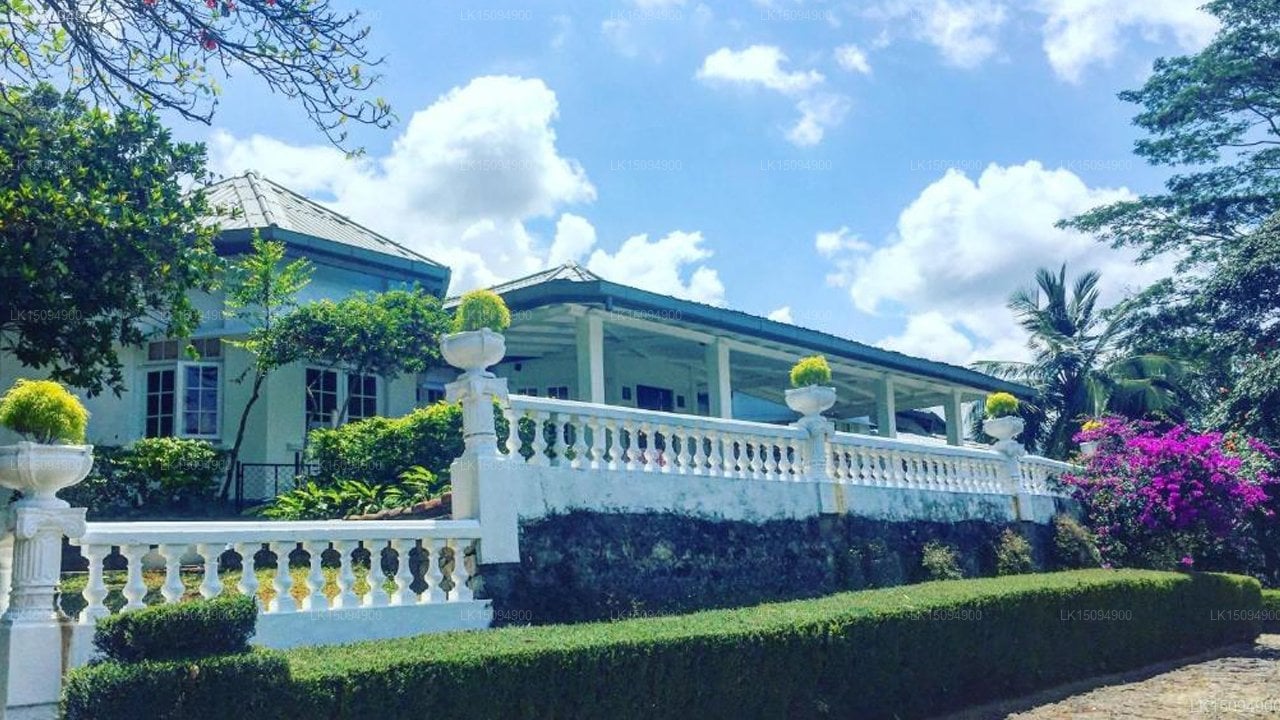
Giragama Estate sits in the emerald hills just outside Kandy, in Sri Lanka's Central Province, at an elevation that produces the kind of brisk, aromatic mid-country tea that has defined Ceylon Tea for over a century. Established during the British colonial era, the estate has grown from a frontier plantation into a living record of how a single crop shaped an entire island's economy and identity. For visitors, it offers one of the most accessible yet genuinely informative tea experiences in the Kandy region.
What is the history of Giragama Estate?
Sri Lanka's tea story began in earnest in the 1860s and 1870s, after coffee blight devastated the highlands. British planters quickly replanted with Camellia sinensis, and estates like Giragama became the engine of a new export economy. The Central Province — centred on Kandy — produces mid-country teas, typically grown between roughly 600 m and 1,200 m above sea level. This altitude yields a tea with a bright liquor and a fuller body than high-grown Nuwara Eliya types, making it a favourite for blending as well as single-estate drinking.
The estate has passed through various ownerships since colonial times, but its core infrastructure — the factory building, the plucking terraces, the shade trees — retains the layered character of a plantation that has been continuously worked for generations.
What can you see and do at Giragama Estate?
A guided visit to Giragama typically unfolds in three stages: the field, the factory, and the tasting room. Each stage adds a different dimension to understanding how a leaf becomes a cup.
- Field walk: Guides lead visitors along the plucking rows, explaining how skilled workers select only the top two leaves and the bud — the standard for quality Ceylon tea. The terraced rows climb the hillside in tight, manicured lines, offering wide views across the valley.
- Factory tour: Inside, the processing sequence — withering, rolling, oxidation (fermentation), and drying — is usually visible at close range. The machinery blends older equipment with modern upgrades, and guides explain how each step affects flavour, colour, and grade.
- Tea tasting: The session typically presents several grades or flushes side by side, allowing visitors to detect differences in brightness, astringency, and aroma that would otherwise seem abstract. Staff are generally well-practised at explaining what they're pouring.
Photography enthusiasts will find compelling material at every turn: the geometry of the plucking rows, the steam rising from the dryers, the pickers moving through the mist in the early morning.
How does Giragama compare to other Kandy-area tea estates?
The Kandy region hosts several working estates open to visitors. Bluefield Tea Gardens is another well-regarded option in the area, with a similarly structured tour format. Giragama's particular appeal is its colonial-era atmosphere and its relatively compact, walkable layout — useful if you have limited time or are travelling with children or older guests.
Further afield, estates in the Nuwara Eliya district produce higher-grown teas with a lighter, more delicate profile. If comparing tea types is part of your interest, pairing a Kandy-region visit with a stop in the highlands makes for a rewarding contrast.
When is the best time to visit Giragama Estate?
The estate operates year-round, and tea is plucked in cycles throughout the year rather than in a single harvest season. That said, the Central Province experiences two monsoon periods: the south-west monsoon (roughly May to August) and the north-east monsoon (December to January). The driest and most photogenic conditions are generally from January to April and again in August to September. Early morning visits, when mist still clings to the upper terraces, offer the most atmospheric experience regardless of month.
Factory machinery is most active on weekdays during active plucking periods, so mid-week visits tend to give a fuller picture of production than weekend arrivals.
How do I get to Giragama Estate from Kandy?
Giragama is located a short drive from Kandy city — the journey typically takes around 30 to 45 minutes depending on traffic and the exact route taken through the hill roads. Private car hire is the most practical option; the estate is not easily reached by public bus from the city centre. The Kandy City Tour route passes through similar terrain, and many visitors combine a morning at the estate with an afternoon in Kandy itself.
The road approaching the estate winds through classic mid-country scenery — rubber groves giving way to tea, with occasional views down to the Mahaweli River valley.
What should visitors know before going?
- Wear closed, comfortable footwear — the estate paths can be uneven and slippery after rain.
- Light layers are advisable; the hillside feels noticeably cooler than Kandy city, particularly in the early morning.
- Tours are generally guided rather than self-guided; check availability in advance, especially during peak travel seasons (December to March).
- The estate typically has a small retail area where you can purchase tea to take home. Single-estate teas from Central Province estates make practical, non-perishable souvenirs.
- Visitors interested in the broader tea industry may also find value in reading about the record-breaking auction prices that Ceylon tea has commanded in recent years — context that adds weight to what you see on the tour.
Is Giragama Estate suitable for families and non-tea drinkers?
Yes, in most respects. The visual drama of a working tea factory — the noise, the heat, the smell of oxidising leaves — tends to engage visitors who arrived with no particular interest in tea. Children generally enjoy the field walk and the factory machinery, though some sections may not be stroller-accessible. Non-tea drinkers can usually request a herbal infusion or simple hot water during the tasting session.
The estate landscape itself, with its layered green terraces and hill views, is appealing to anyone who enjoys the Sri Lankan countryside. If you are interested in other forms of traditional agriculture in the region, a visit to a traditional paddy field or a spice garden pairs naturally with the Giragama experience as part of a broader Central Province day.
Nearby places
11 places within about 25 km, nearest first.
- Balana Railway Stationunder 1 km
- Geragama Tea Factoryunder 1 km
- Muruthalawa City1 km
- Kiribathkumura City1 km
- Three Temples Loop2 km
- Kandy Temples2 km
- Pilimathalawa Tea Factory2 km
- Hanthana Tea Plantations2 km
- Pilimatalawa2 km
- Bihalpola Raja maha viharaya5 km
- Maraluwawa5 km
Related reading
1 pages on closely related subjects.