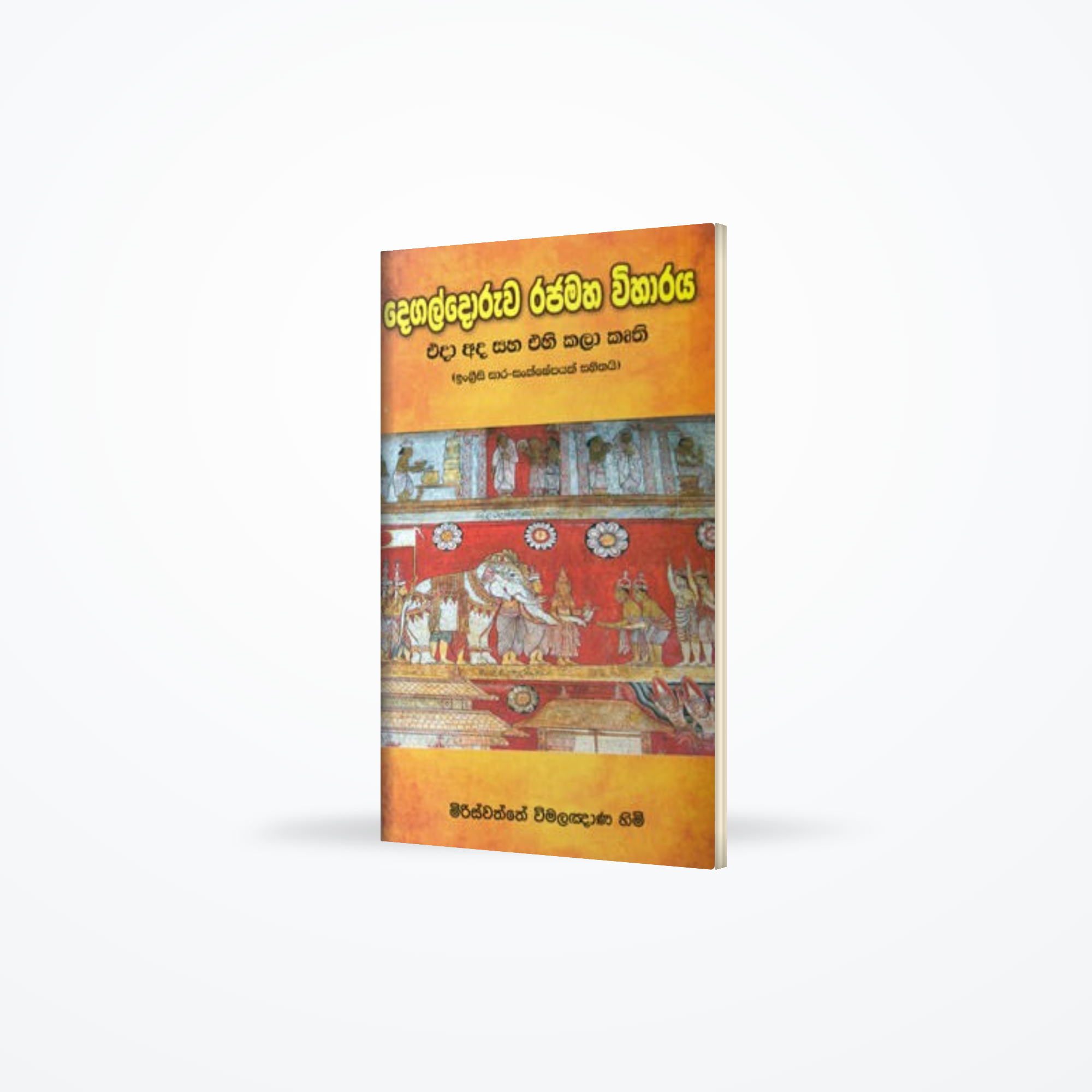
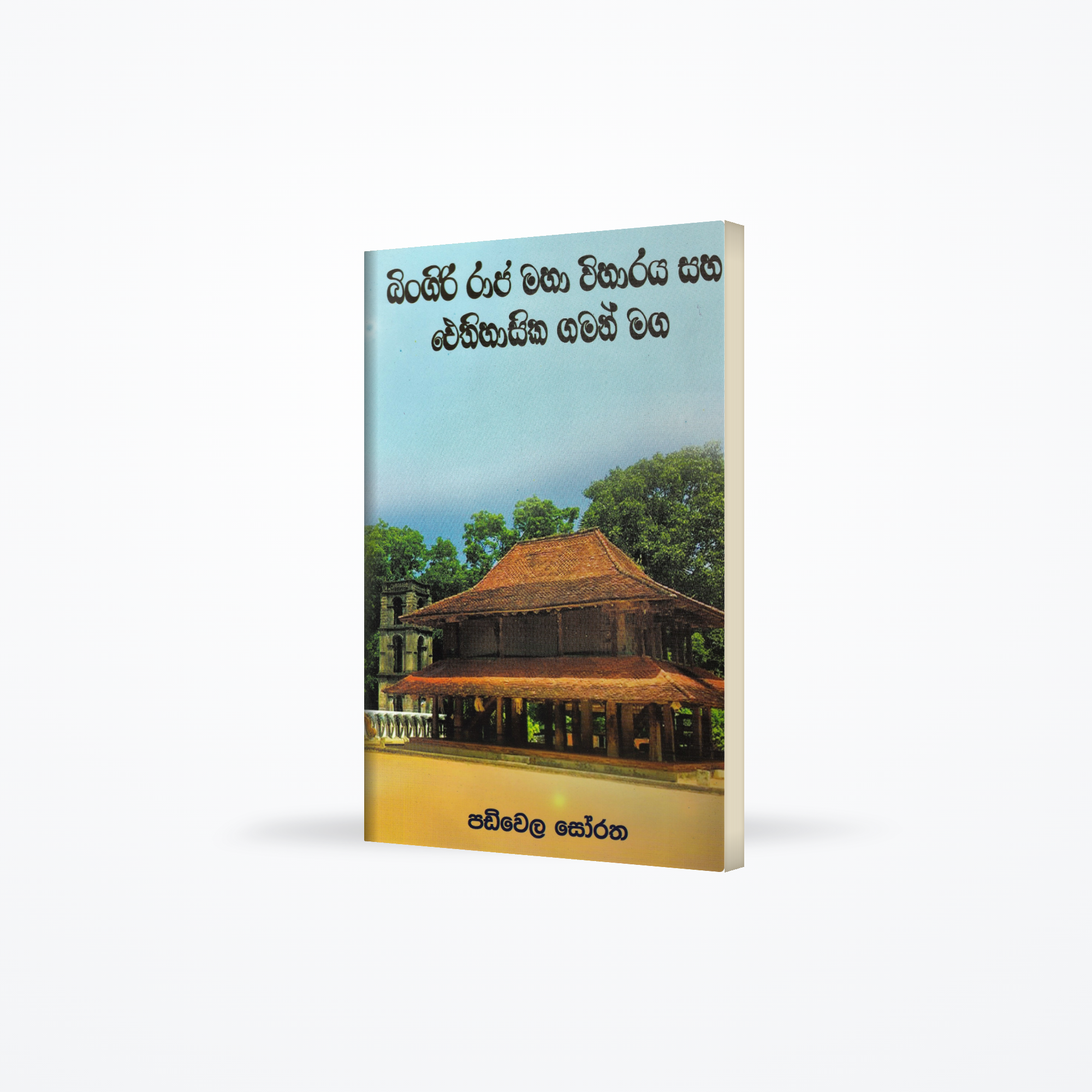
Walagamba Raja Maha Viharaya occupies a quiet but significant place in Sri Lanka's Buddhist heritage. The temple carries the name and memory of King Walagamba — also known as Vattagamani Abhaya — who ruled Anuradhapura in the first century BCE and whose reign became a defining chapter in the island's religious and political history. Pilgrims and history enthusiasts visit not simply to see ancient stonework, but to stand in a place that absorbed the weight of a kingdom's struggle and eventual restoration.
Who was King Walagamba and why does this temple matter?
King Walagamba is best remembered for two enduring contributions: reclaiming his throne after years of exile driven by South Indian invasions, and commissioning the transcription of the Pali Tipitaka at Aluvihara — the first time the Buddhist canon was committed to writing. During the years he spent displaced from Anuradhapura, remote forest monasteries served as sanctuaries for both the king and his accompanying monks. Walagamba Raja Maha Viharaya is closely associated with that period of exile and spiritual endurance.
The temple's link to the king lends it a reverence that goes beyond its physical fabric. For devout Buddhists, this is a site where royal resilience and monastic devotion intertwined, making it a place of pilgrimage as much as of historical study. Devotees who visit Sri Lanka's ancient stupas and monastic sites often include Walagamba Raja Maha Viharaya on the same circuit.
What does the temple complex look like?
The viharaya reflects the architectural sensibility of early Theravada monastic settlements in Sri Lanka. Stone structures integrate naturally with the surrounding forest, and the layout follows a traditional pattern centred on the image house, the stupa, and the monks' residential quarters. Renovation work carried out over successive centuries has preserved the essential character of the site without overwhelming its original identity.
Stone carvings, traditional painted interiors, and the quiet organisation of the compound all reward careful attention. The forested setting amplifies the meditative quality of the space — the kind of environment that early monks specifically sought out when they retreated from populated centres. Visitors accustomed to the more heavily touristed sites of Sri Lanka often find the relative calm here genuinely striking.
What is the religious significance of Walagamba Raja Maha Viharaya today?
The temple continues to function as an active place of worship within the Theravada tradition. Resident monks maintain daily rituals, and the site observes all major Buddhist calendar events including Poya days and seasonal religious ceremonies. Lay devotees visit regularly to make offerings, observe sil, and participate in communal chanting.
For visitors unfamiliar with Theravada practice, a visit here offers an unmediated look at Buddhism as it is lived — not reconstructed for tourism — which makes it considerably more instructive than many better-known landmarks. Dress modestly (covered shoulders and knees) and remove footwear before entering any shrine building. Photography inside the image house is generally not permitted without prior consent from the resident clergy.
How does Walagamba Raja Maha Viharaya connect to broader Sri Lankan history?
King Walagamba's story unfolds across several sites in the North Central and Central provinces. His eventual return to Anuradhapura and consolidation of power set the stage for a period of significant monastic expansion, including the construction of the Abhayagiri complex. The broader narrative of his reign — exile, survival in forest monasteries, and triumphant return — is documented in the Mahavamsa, the fifth-century Pali chronicle that remains the primary source for ancient Sri Lankan dynastic history.
Understanding Walagamba Raja Maha Viharaya fully requires some familiarity with that wider context. Travellers who have already visited Polonnaruwa, with its own dense layers of royal Buddhist patronage, will find the themes here both familiar and complementary. The two sites, separated by several centuries of history, collectively illustrate how successive Sri Lankan kings used monastic architecture as an instrument of political legitimacy.
When is the best time to visit Walagamba Raja Maha Viharaya?
The temple can be visited year-round. Poya days — the full-moon days observed each month in the Buddhist calendar — draw larger numbers of local pilgrims and offer an opportunity to witness communal devotional activity. Early morning visits tend to be cooler and quieter, with resident monks conducting their morning rituals in an unhurried pace.
Sri Lanka's two monsoon patterns mean that the north-central interior, where many of the sites associated with King Walagamba are concentrated, typically receives its heaviest rainfall between October and January via the northeast monsoon. The drier months of February through August are generally more comfortable for travel in this zone, though the temple itself remains accessible throughout the year.
How do I get to Walagamba Raja Maha Viharaya from Colombo?
The viharaya sits within the broader landscape of Sri Lanka's ancient heartland, accessible by road from Colombo via the main highway network heading north toward the North Central Province. Travelling by private vehicle is the most practical option, as it allows stops at related historical sites along the route without being constrained by bus or train schedules. Journey times from Colombo typically fall in the three-to-four-hour range depending on traffic and exact location within the region.
Arranging a private driver familiar with the historical circuit — covering monastic sites, ancient tanks, and rock-cut cave temples — adds considerable depth to the experience. Lakpura can arrange bilingual driver-guides for this type of itinerary.
What else can I visit nearby?
The ancient monastery landscape of Sri Lanka's interior contains dozens of sites within a manageable driving radius of Walagamba Raja Maha Viharaya. Rock-cut cave temples, forest hermitages, and ancient reservoirs built during the Anuradhapura period are common features of the terrain. Travellers combining a visit here with the Sinharaja Forest Reserve or the cultural sites of the central highlands will find the geography lends itself well to a multi-day itinerary that balances natural and historical interests.
Related reading
3 pages on closely related subjects.