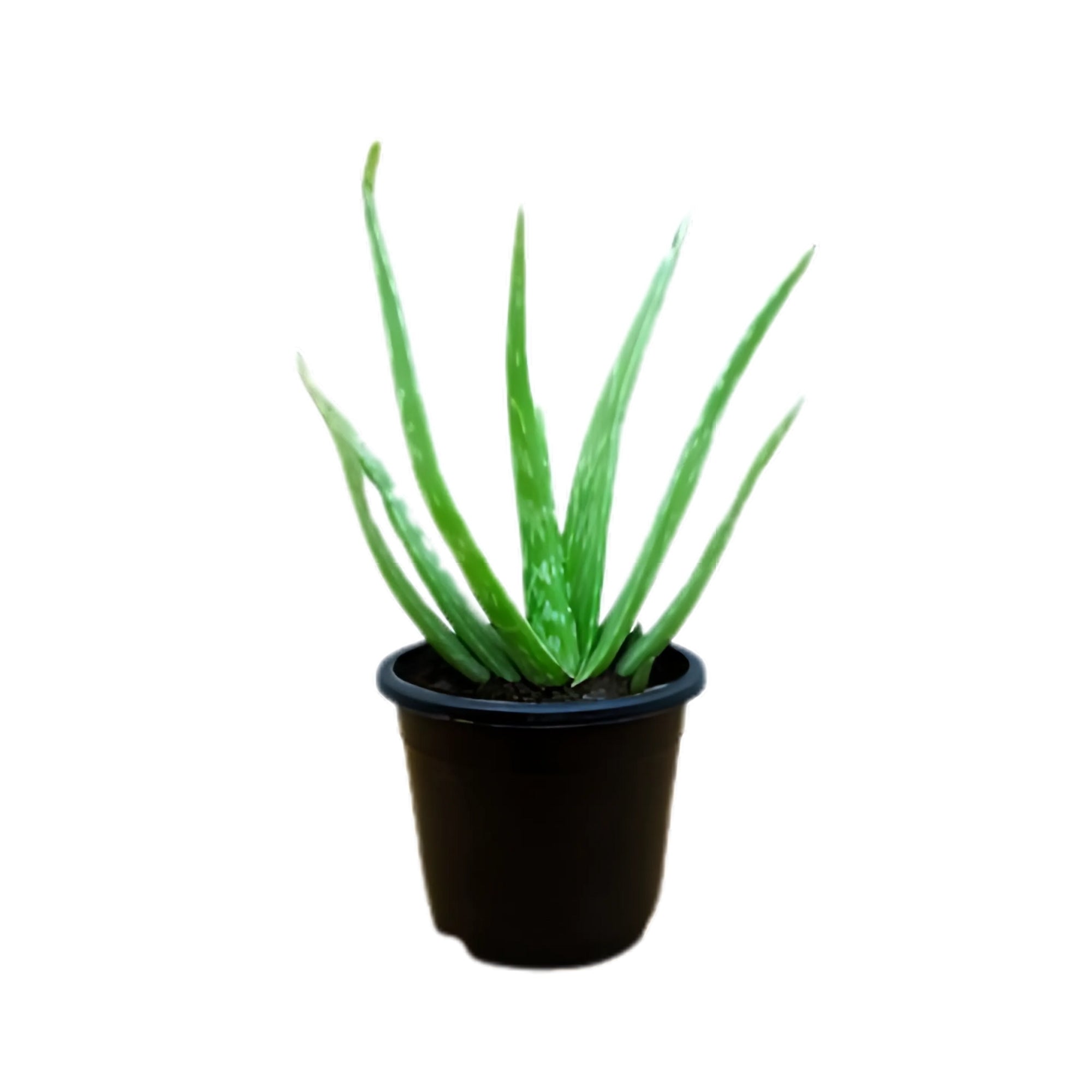




Agave vera-cruz is a succulent plant species catalogued within the ayurvedic medicinal plant tradition of Sri Lanka. Though its origins trace to the Americas — specifically the region around Veracruz, Mexico — the plant has been naturalised across tropical and subtropical zones worldwide, including parts of South Asia, where it has been incorporated into local herbal and ayurvedic practice over centuries.
What is Agave vera-cruz?
Agave vera-cruz belongs to the family Asparagaceae and is closely related to other agave species cultivated for their fibrous leaves and medicinal sap. The plant produces a large rosette of thick, fleshy, lance-shaped leaves edged with sharp spines and tipped with a stout terminal thorn. Like most agaves, it is monocarpic — flowering once after many years of vegetative growth, after which the central plant dies, leaving offsets to continue the colony.
The plant is drought-tolerant and thrives in well-drained soils under full sun, making it well-suited to the drier coastal and lowland zones of Sri Lanka. It is sometimes encountered in home gardens, temple grounds, and along roadsides in the dry and intermediate climatic zones of the island.
How is Agave vera-cruz used in ayurvedic medicine?
In Sri Lanka's ayurvedic tradition, agave species including Agave vera-cruz have been recognised for a range of therapeutic applications. The leaf sap is the primary medicinal part. Practitioners have used it topically as an anti-inflammatory agent, particularly for skin conditions, minor burns, and wound healing — applications that parallel those associated with the better-known Acacia chundra and related medicinal plants of the island's herbal canon.
The sap contains saponins, vitamins, and various polysaccharides that are thought to support immune function and digestive health when consumed in carefully prepared formulations. However, raw agave sap can be irritating to the skin and mucous membranes in concentrated form, and any therapeutic use should follow the guidance of a qualified ayurvedic physician.
Traditional preparations may include the sap as a component in compound formulations rather than as a standalone medicine. Its classification within Sri Lanka's official ayurvedic plant catalogue underscores its recognised — if secondary — place in the island's botanical pharmacopoeia.
What is the botanical profile of Agave vera-cruz?
| Attribute | Detail |
|---|---|
| Family | Asparagaceae |
| Genus | Agave |
| Common names | Vera Cruz agave, American aloe (loosely used) |
| Origin | Mesoamerica (Mexico) |
| Habit | Rosette-forming succulent, monocarpic |
| Leaf | Thick, fleshy, spine-edged, blue-green to grey-green |
| Inflorescence | Tall flowering spike, produced once in the plant's lifetime |
| Climate preference | Arid to semi-arid; tolerates drought and poor soils |
| Sri Lanka distribution | Dry zone, intermediate zone, coastal areas |
How does Agave vera-cruz differ from Aloe vera?
Agave vera-cruz is frequently confused with aloe vera because both plants form rosettes of fleshy leaves and yield a gel-like sap. They are, however, unrelated. Aloe vera belongs to the family Asphodelaceae and originates in the Arabian Peninsula, while Agave vera-cruz is a member of Asparagaceae native to the Americas. Aloe leaves are softer and lack the hard marginal teeth characteristic of agaves. The medicinal chemistry of the two plants also differs significantly, even where their traditional applications overlap.
In Sri Lanka, both plants appear in the ayurvedic catalogue, and some informal names used in local trade can blur the distinction. When sourcing plant material for medicinal purposes, botanical identification — ideally by leaf morphology and spine characteristics — is important to ensure correct usage.
Where can Agave vera-cruz be found in Sri Lanka?
The species is not confined to any single region. It grows opportunistically in dry, sun-exposed environments and is found in home gardens, along field boundaries, and occasionally within the grounds of heritage sites and rural temples. The dry zone districts — Anuradhapura, Vavuniya, and surrounding areas — provide habitat conditions that suit the plant's preference for low rainfall and well-drained soils.
Visitors exploring Sri Lanka's rich botanical heritage may also encounter agave plants within the context of ayurvedic herb gardens, which are maintained at several wellness resorts and traditional medicine centres across the island. Sri Lanka's broader tradition of documenting and cultivating medicinal plants is one of the oldest in Asia, with texts dating back more than two thousand years.
What is the significance of Sri Lanka's ayurvedic plant catalogue?
Sri Lanka maintains an official catalogue of ayurvedic medicinal plants as part of its commitment to preserving and regulating traditional medicine. The catalogue serves practitioners, researchers, and policy-makers by providing standardised identification, nomenclature, and usage guidance for hundreds of species found on the island. Agave vera-cruz is one of the entries in this catalogue, reflecting the inclusive approach Sri Lankan ayurveda takes — drawing from both indigenous flora and naturalised plants that have proven medicinal value over generations of use.
This tradition sits alongside Sri Lanka's wider botanical wealth. The island's forests, from the lowland wet zone to the highland cloud forests, contain an extraordinary concentration of plant species, many of which remain under active study for their pharmacological properties. Plants such as Pongamia pinnata and Syzygium aromaticum are other well-documented examples from the same tradition, each with distinct therapeutic applications.
Is Agave vera-cruz safe to use at home?
Caution is warranted. While the plant's gel has a long history of topical use, agave sap contains compounds called oxalate crystals and saponins that can cause contact dermatitis in some individuals. This reaction is more pronounced than that typically seen with aloe vera, and the sap should not be applied to broken skin without professional guidance. Internal use in any form should only be undertaken under the supervision of a registered ayurvedic practitioner.
The sharp leaf spines also present a physical hazard. Planting Agave vera-cruz in areas frequented by children or animals requires care. Despite these precautions, the plant is hardy, low-maintenance, and visually distinctive — qualities that make it popular in ornamental landscaping as well as medicinal gardens.
Related reading
1 pages on closely related subjects.