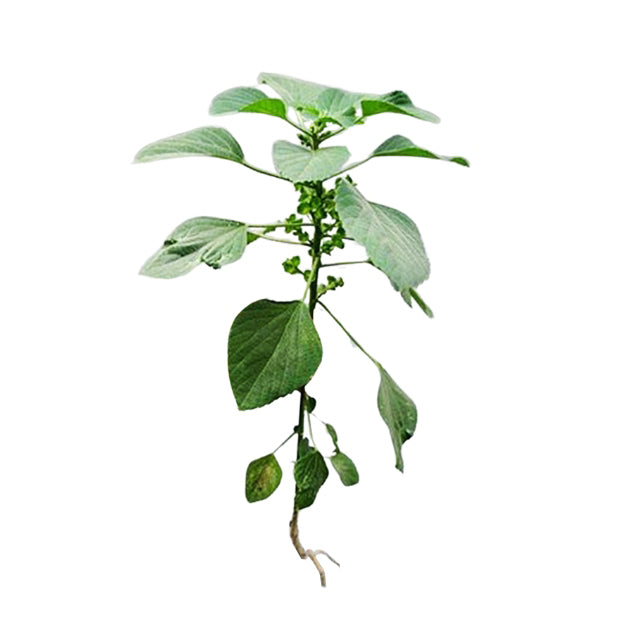




Acalypha godseffiana is a decorative shrub in the family Euphorbiaceae that has earned a firm place in Sri Lanka's catalogue of ayurvedic medicinal plants. Related to the better-known Acacia chundra and other traditional botanical remedies, it is valued both for its ornamental foliage and for its role in indigenous herbal practice. Understanding this plant means looking at its taxonomy, its ecology across the island, and the way traditional practitioners have incorporated it into wellness formulations over centuries.
What is Acalypha godseffiana?
Acalypha godseffiana is a cultivated variety within the large genus Acalypha, which comprises several hundred species distributed across tropical and subtropical regions worldwide. The genus name derives from the Greek word for nettle, reflecting the leaf texture shared by many members of the group. Acalypha godseffiana is characterised by its lance-shaped leaves edged with irregular cream or pale-yellow variegation, which distinguishes it visually from its close relative Acalypha wilkesiana. In Sri Lanka it is typically grown as a garden or boundary shrub, reaching around one to two metres in height under favourable conditions.
The plant is frost-sensitive and thrives in the warm, humid lowland climate that covers much of Sri Lanka's coastal and mid-elevation zones. It grows readily in well-drained soils with moderate moisture and performs well in both full sun and partial shade, making it adaptable to a range of garden settings across the island.
Where does Acalypha godseffiana grow in Sri Lanka?
Across Sri Lanka, Acalypha godseffiana is most commonly encountered as a cultivated plant in domestic gardens, temple grounds, and agricultural homesteads. It is not considered a primary forest species but does naturalise along roadsides and disturbed edges of secondary vegetation in the wet and intermediate climatic zones. The lowland regions of the Western, Southern, and Sabaragamuwa provinces provide the humid conditions the plant favours.
In rural settings, it is frequently grown alongside other traditional medicinal shrubs as part of a household herb garden — a practice deeply embedded in Sri Lankan village culture. The Sinharaja Forest Reserve buffer zone communities, for instance, maintain such gardens as a complement to the wild botanical resources that surround them.
What are the traditional ayurvedic uses of Acalypha godseffiana?
Within the Sri Lankan ayurvedic tradition, plants in the Acalypha genus have a long history of use for skin conditions, minor wounds, and inflammatory complaints. The leaves are the primary plant part used in traditional preparations. Leaf poultices and decoctions are applied topically in folk medicine to assist with skin irritations and to promote wound healing, drawing on the plant's reported astringent and antimicrobial properties.
It is worth noting that Sri Lankan ayurveda distinguishes carefully between individual species and varieties within the same genus. Acalypha godseffiana is catalogued separately from Acalypha indica — known locally as Kuppameniya — which has a more extensively documented pharmacological profile. Both are part of the broader ayurvedic plant register maintained by Sri Lanka's Department of Ayurveda, which oversees the formal recognition and safe use of indigenous medicinal flora.
- Leaf preparations: Traditionally prepared as poultices for topical application to skin complaints.
- Decoctions: Aqueous extracts used in folk practice for their reported astringent qualities.
- Ornamental use: Widely grown as a garden hedge plant, with medicinal benefit treated as secondary in many household settings.
How does Acalypha godseffiana relate to other Sri Lankan medicinal plants?
Sri Lanka's ayurvedic pharmacopoeia is one of the most diverse in South Asia, cataloguing hundreds of plant species used in classical and folk medicine. Acalypha godseffiana sits within a rich network of Euphorbiaceae family members and companion plants that traditional healers often use in combination. Formulations such as Yogaraja Guggulu and Kaishore Guggulu illustrate how Sri Lankan ayurveda blends botanical ingredients from across this network into compound remedies with multi-layered therapeutic intentions.
The island's botanical diversity — sustained by its distinct wet zone and dry zone ecosystems, and protected in reserves like Horton Plains National Park — provides the ecological foundation that makes such a rich medicinal plant tradition possible. Ethnobotanical research continues to document species like Acalypha godseffiana so that traditional knowledge is preserved alongside scientific investigation.
What is the botanical classification of Acalypha godseffiana?
| Category | Detail |
|---|---|
| Family | Euphorbiaceae |
| Genus | Acalypha |
| Species / variety | godseffiana |
| Common name (Sri Lanka) | Decorative copper leaf / variegated acalypha |
| Ayurvedic catalogue code | LK94006534 |
| Primary use category | Medicinal / ornamental |
| Climatic zone | Tropical lowland; wet and intermediate zones |
How is Acalypha godseffiana used sustainably in Sri Lanka today?
Contemporary interest in Sri Lankan herbal medicine has spurred renewed attention to cultivated medicinal plants like Acalypha godseffiana. Rather than relying on wild harvesting — which can put pressure on naturally occurring populations — growers increasingly cultivate the plant in home gardens and small-scale herb farms. This approach aligns with the sustainable-use principles that underpin Sri Lanka's national ayurvedic policy.
Dried and processed forms of Acalypha species are available through specialist herbal suppliers, allowing practitioners and home users to access plant material that has been harvested and prepared under controlled conditions. The related species Acalypha indica (Kuppameniya) is more widely traded in this form and gives a useful reference point for the product standards applied to the broader genus. The Pushyanuga Churna formulation tradition illustrates how Sri Lankan herbal suppliers prepare and present compound botanical products to contemporary consumers.
Can visitors to Sri Lanka learn about medicinal plants in person?
Sri Lanka offers several avenues for travellers interested in traditional botany and ayurvedic medicine. Village herb gardens, ayurvedic wellness centres, and guided nature walks in biodiversity hotspots provide hands-on exposure to species like Acalypha godseffiana in their natural or cultivated settings. The country's network of botanical gardens — most notably at Peradeniya near Kandy — maintains living collections of labelled medicinal plants that are accessible to the public.
Guided ethnobotany walks in rural communities, particularly in the wet-zone villages of Sabaragamuwa and the Southern Province, offer the most direct engagement with the living tradition of Sri Lankan plant-based medicine. These experiences are typically arranged through specialist eco-tour providers or community-based organisations, and they pair well with broader cultural and nature itineraries across the island.
Other species in this genus
1 more, sharing the same genus.