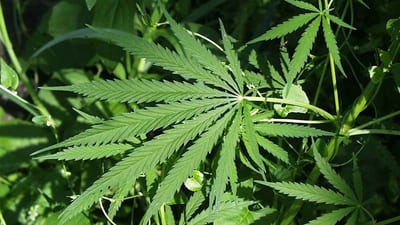
Acacia nilotica ssp. indica, known in English as Tomentose babool and in Sinhala as Kara Wel (කර වැල්) or Babbula (බබිබුල), is a thorny tree in the pea family (Fabaceae). In Sri Lanka it is recorded as a naturalized exotic, meaning it is not native to the island but has established itself and reproduces in the wild without cultivation.
What does Acacia nilotica ssp. indica look like?
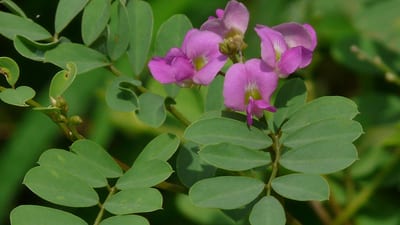
As a member of the Acacia group within Fabaceae, this subspecies is a woody tree typically armed with paired thorns along its branches, a trait common across the genus and useful for identification in the field. Fabaceae species of this kind generally bear small clustered flowers and produce pod-like fruit, consistent with the broader family's reproductive pattern.
Where does Acacia nilotica ssp. indica grow?
The species Acacia nilotica as a whole is native to a broad range spanning parts of Africa and southern Asia, and the ssp. indica form is associated with the Indian subcontinent. In Sri Lanka it is classed as naturalized, having spread and persisted on the island after introduction rather than occurring there originally.
What is its conservation status in Sri Lanka?
The recorded status for this subspecies in Sri Lanka is Naturalized Exotic. This designation places it outside the island's native flora.
What is it called in Sinhala?
Two Sinhala names are recorded for this plant: Kara Wel (කර වැල්) and Babbula (බබිබුල). Both refer to the same subspecies and are used locally alongside the English name Tomentose babool.
Can any part of it be eaten?
No edible parts are recorded for Acacia nilotica ssp. indica. It should not be treated as a food plant.
| Attribute | Recorded detail |
|---|---|
| Scientific name | Acacia nilotica ssp. indica |
| Family | Fabaceae |
| English name | Tomentose babool |
| Sinhala / local name | Kara Wel (කර වැල්) / Babbula (බබිබුල) |
| Status in Sri Lanka | Naturalized Exotic |
| Edible parts | None |
Other species in this genus
6 more, sharing the same genus.