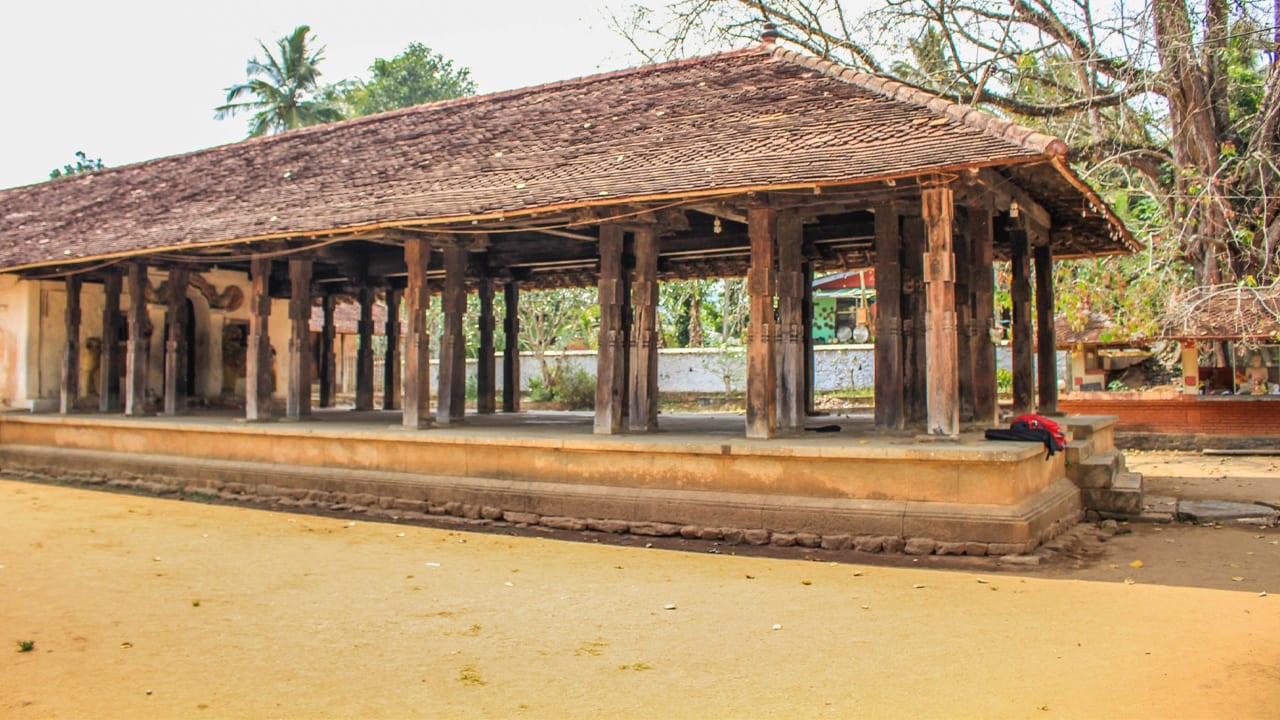
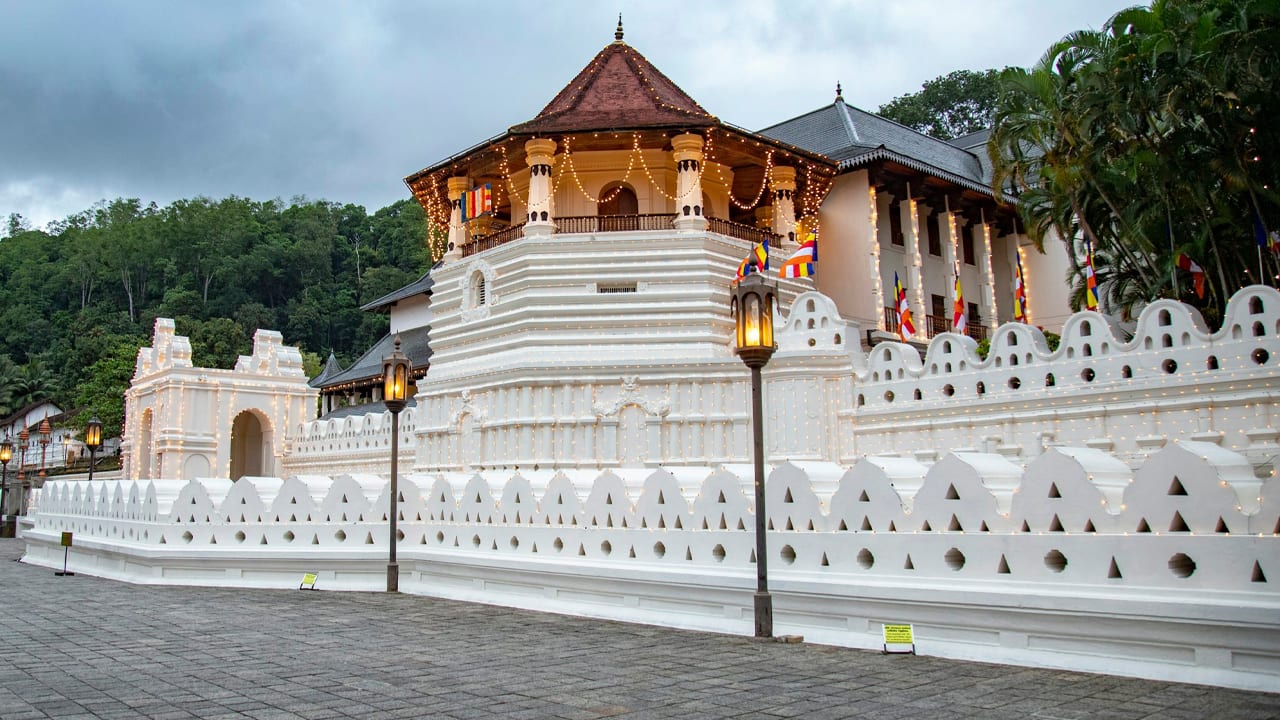
Sri Lankan architecture is a unique blend of ancient traditions and modern influences, characterized by intricate designs, cultural symbolism, and functional elegance. Spanning over thousands of years, it has evolved through the influence of Buddhist, Hindu, and colonial traditions, with a strong focus on harmony with nature and the environment.
The most notable examples of Sri Lankan architecture include stupas, temples, and palaces, with iconic structures like the Temple of the Tooth in Kandy and the Sigiriya Rock Fortress. These buildings are often constructed with locally sourced materials like wood, stone, and brick, and feature detailed carvings, vibrant frescoes, and expansive courtyards.
Modern Sri Lankan architecture has continued to blend traditional elements with contemporary design, resulting in sleek urban structures, resorts, and public buildings that retain a connection to the island's cultural roots. Architects emphasize natural light, ventilation, and sustainability, keeping in line with the ancient principles of creating spaces that integrate seamlessly with the environment.
The best time to explore Sri Lankan architecture is during the dry season from December to April, when the weather is ideal for visiting both ancient and modern architectural sites. With a rich heritage and ongoing innovation, Sri Lankan architecture offers a captivating experience for visitors interested in cultural history and design.
周辺のスポット
約25km圏内の14件(近い順)。
- Sigiriya Sanctuary1km未満
- Sigiriya Village1km未満
- Athreya Ayurvedic Spa, Sigiriya1km未満
- アスレヤ・アーユルヴェーダ・スパ、シギリヤ1km未満
- Gold Route1km未満
- Moat1km未満
- Naipena Cave1km未満
- Cobra Hood Cave1km未満
- Heritage1 km
- Heritage Tours1 km
- Village Life2 km
- Game Drives2 km
- Safari2 km
- Kimbissa City2 km
関連記事
関連するテーマのページ5件。