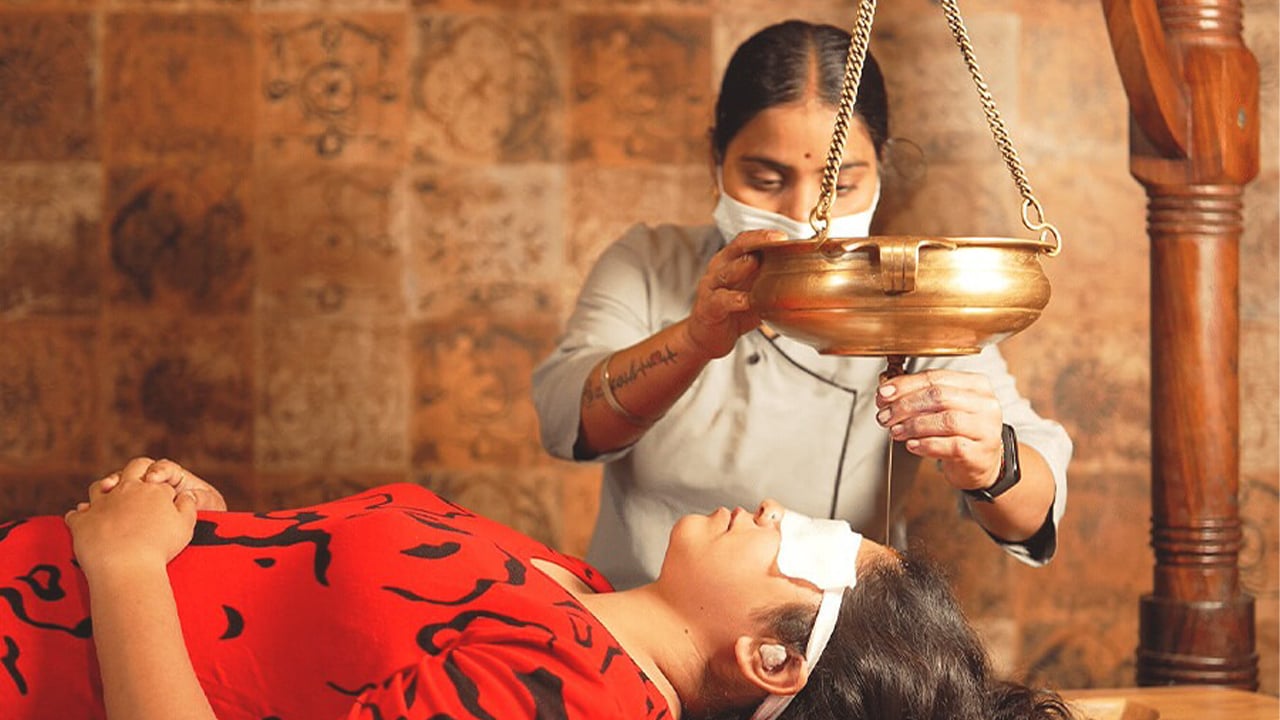


Sri Lanka has practised Ayurveda for more than 3,000 years, and the tradition remains very much alive today. Unlike spa tourism built around surface-level pampering, an Ayurvedic wellness tour here draws on an unbroken lineage of herbal medicine, dietary philosophy, and therapeutic ritual that pre-dates most written records on the island. For travellers looking to slow down, restore balance, and return home genuinely refreshed, Sri Lanka offers one of the most credible wellness destinations in South Asia.
What is Ayurveda, and why does Sri Lanka excel at it?
Ayurveda is a holistic medical system rooted in the idea that health depends on the equilibrium of three vital forces, or Doshas: Vata (air), Pitta (bile), and Kapha (phlegm). When these forces fall out of balance, the body becomes susceptible to illness. A qualified Ayurvedic practitioner begins every consultation by assessing the patient's constitution, then prescribes a personalised programme to restore harmony.
Sri Lanka's advantage is ecological as much as cultural. The island grows an exceptional range of medicinal plants — from Ceylon black pepper to cinnamon, neem, and turmeric — in conditions that maximise their potency. The island's climate, ranging from humid coastal plains to cool highland zones, also suits longer residential stays, giving the body time to respond to treatment rather than simply relax for a long weekend.
What treatments can I expect on a Sri Lankan wellness tour?
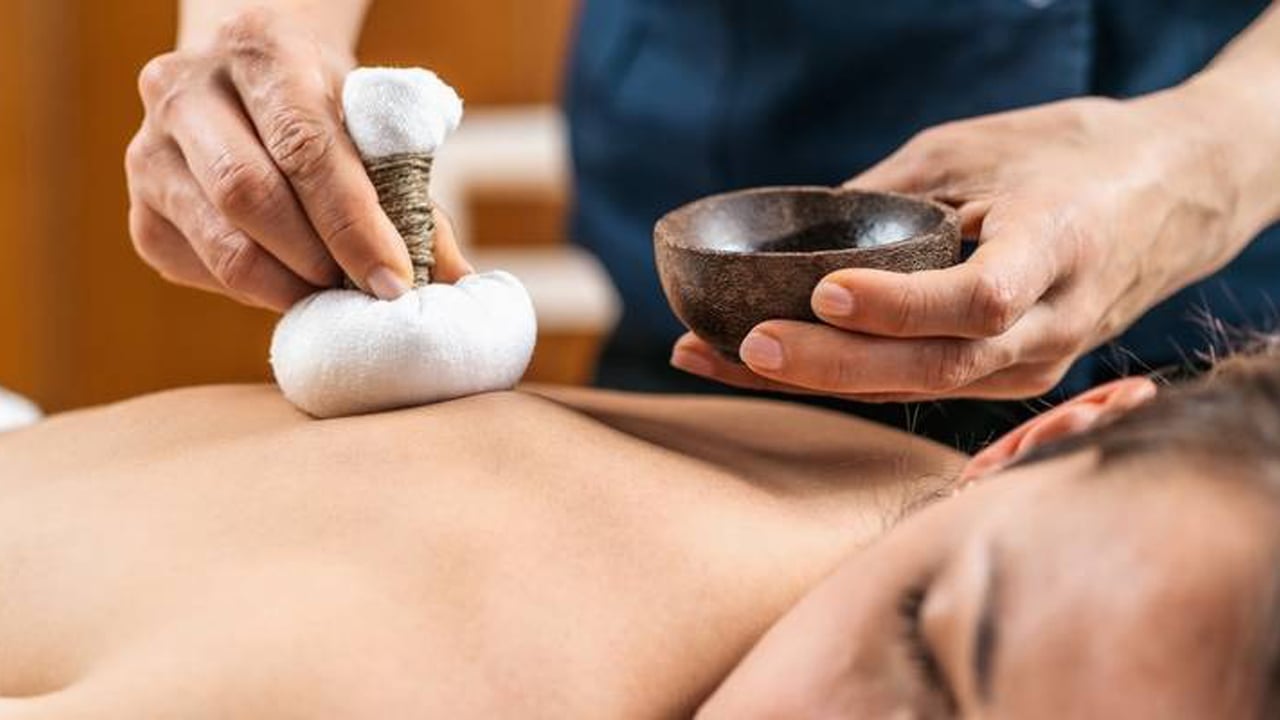
Programmes vary in depth and duration, but most reputable Ayurvedic retreats offer some combination of the following:
- Panchakarma — a structured detoxification sequence that typically spans five to twenty-one days and involves oil therapies, herbal steam baths, and purgation treatments tailored to the individual
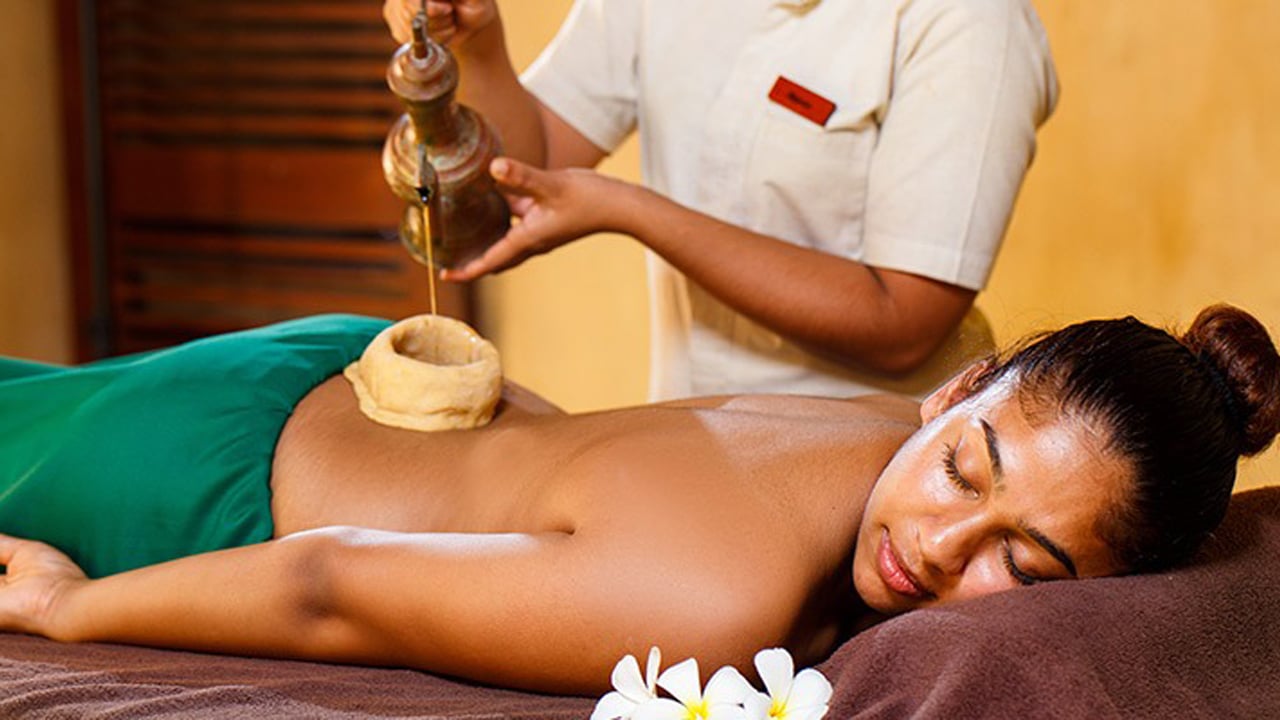
- Shirodhara — a continuous stream of warm medicated oil poured across the forehead, used to calm the nervous system and address stress-related conditions
- Abhyanga — full-body synchronised oil massage performed by two therapists, designed to stimulate the lymphatic system and loosen deep-seated toxins
- Nasya — nasal administration of medicated oils or powders to clear the upper respiratory tract and improve mental clarity
- Herbal diet — daily meals prepared with local produce, spices, and herbs prescribed to complement ongoing treatments and avoid aggravating existing imbalances
Most retreats also offer yoga and meditation as supporting practices rather than stand-alone activities.
Where are the best wellness retreats located in Sri Lanka?
Wellness properties are spread across the island, each offering a different backdrop for recovery.
| Region | Character | Typical setting |
|---|---|---|
| Southern Coast | Relaxed, beach-adjacent | Boutique garden retreats near Galle and Tangalle |
| Kandy Highlands | Cooler, culturally rich | Hill-country estates with forest views |
| Uva Province | Quiet, rural | Tea-estate bungalows near Ella |
| North-West Coast | Traditional, accessible | Long-established Ayurvedic hotels near Negombo |
| Cultural Triangle | Heritage-immersive | Eco-lodges close to ancient ruins and forest reserves |
The choice of location matters. A longer detox programme benefits from a quieter inland retreat where distractions are few. Shorter wellness breaks combined with cultural touring work well from a Kandy or Southern Coast base.
How long should a wellness tour be?
Ayurvedic physicians generally recommend a minimum of seven days for any treatment programme to produce a measurable effect — the first two or three days are typically diagnostic and preparatory. Fourteen days allows a moderate Panchakarma sequence to be completed properly. Twenty-one days is the traditional benchmark for a full detoxification and rejuvenation course.
Travellers who cannot commit to a residential programme can still benefit from day-spa Ayurvedic treatments available at many properties, combined with a broader Sri Lanka itinerary. A yoga tour can serve as a lighter alternative that builds mindfulness and flexibility without a clinical framework.
What should I do before arriving at an Ayurvedic retreat?
Most retreats ask guests to complete a health questionnaire before arrival so the lead physician can prepare an initial assessment. It is worth being candid about pre-existing conditions, medications, and dietary restrictions — Ayurvedic treatments can interact with certain pharmaceuticals, and responsible practitioners will advise accordingly. Arriving well-rested rather than rushing from a full day of sightseeing also helps the body settle into the programme more quickly.
Can I combine a wellness tour with other Sri Lanka experiences?
Wellness and broader travel pair naturally in Sri Lanka, provided the itinerary is paced sensibly. A common approach is to open or close the trip with a four-to-seven-day retreat, leaving the remaining days for cultural exploration, wildlife, or coast time. The Sinharaja Forest Reserve or the hill-country trails around Horton Plains offer gentle nature walks that complement rather than undermine a recovery programme. Lakpura's tailor-made packages can build this kind of structured itinerary so the wellness component is protected rather than squeezed around an over-ambitious sightseeing schedule.
What role do Sri Lanka's native plants play in Ayurvedic treatments?
Sri Lanka's botanical heritage is central to the quality of its Ayurvedic practice. The island's forests and spice gardens supply raw materials — ginger, turmeric, neem, clove, cardamom, and dozens of lesser-known medicinal herbs — that are processed into the oils, powders, and decoctions used in treatment. Many retreats maintain their own herbal gardens so practitioners can work with freshly harvested ingredients. This is a meaningful difference from imported, standardised preparations and one reason experienced wellness travellers seek out Sri Lanka specifically.
Is Sri Lankan Ayurveda regulated?
Sri Lanka has a government-recognised system for Ayurvedic medicine administered through the Department of Ayurveda under the Ministry of Health. Practitioners must hold a recognised qualification, and standards at established retreats are generally higher than in countries where the sector is less formally supervised. When selecting a retreat, it is worth confirming that the lead physician holds a BAMS (Bachelor of Ayurvedic Medicine and Surgery) degree or equivalent Sri Lankan qualification.
What is the best time of year for a wellness tour in Sri Lanka?
Ayurveda does not prescribe a single optimal season, but the period from November to April is generally comfortable for travel on the south and west coasts, where many established retreats are located. The hill country is cooler and wetter during the south-west monsoon (May to September), which can suit introspective retreat stays. Avoid scheduling arrival immediately after long-haul travel without a buffer day — jet lag makes the diagnostic assessment less accurate and the first treatment less effective.