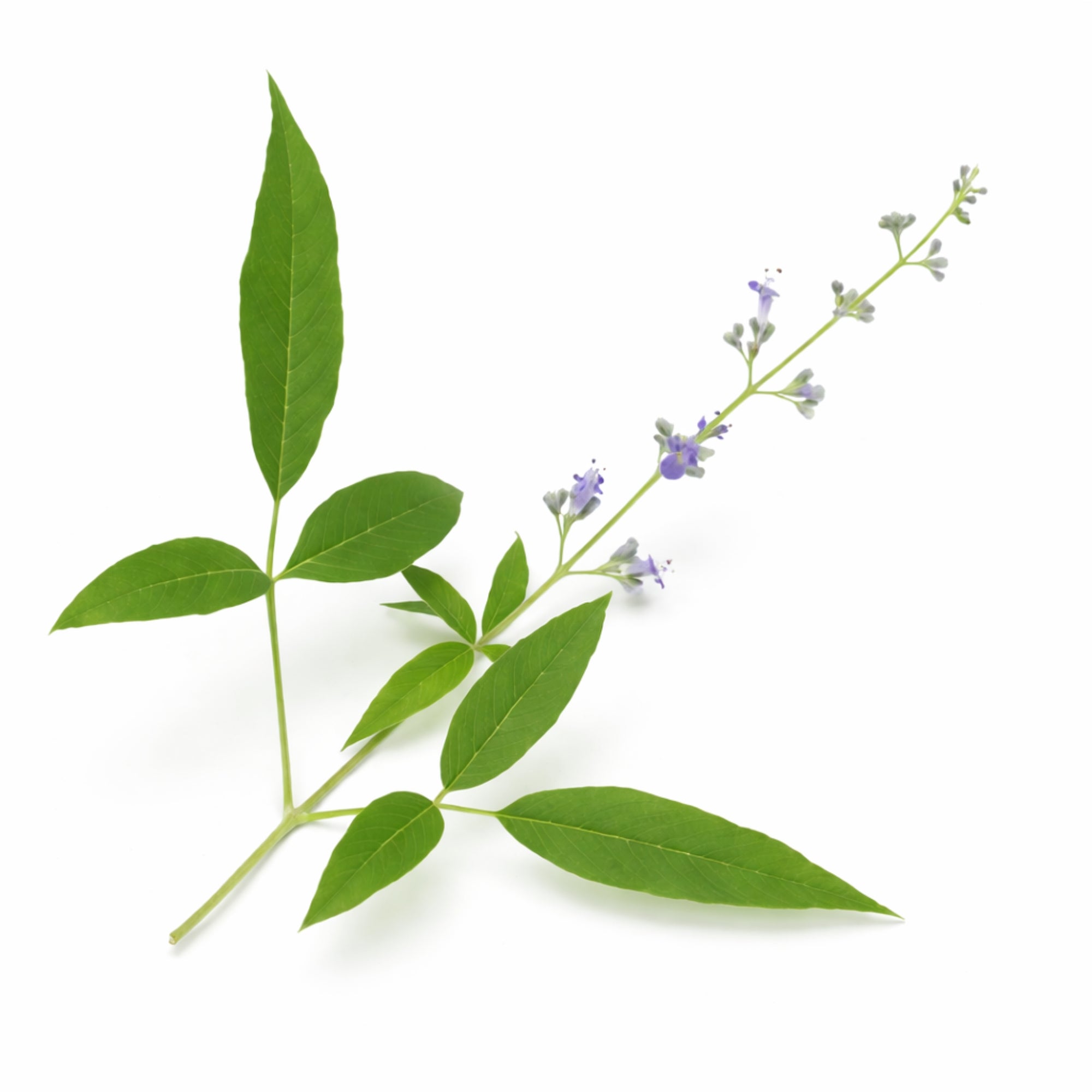
Vitex altissima, commonly known as Milla in Sinhala, is a large deciduous tree native to South and Southeast Asia, including Sri Lanka. It occupies an important place in the island's catalogue of Ayurvedic medicinal plants, where traditional healers have drawn on its bark, leaves, and roots for generations. The tree is also valued for its dense, durable timber, making it one of those rare species that serves both ecological and economic purposes.
What does Vitex altissima look like?
Vitex altissima belongs to the family Lamiaceae and can reach considerable heights in mature forests, often exceeding 20 metres. Its leaves are palmately compound, typically with three to five leaflets that are dark green on the upper surface and paler beneath. During flowering season, the tree produces small, pale-blue to whitish flowers arranged in terminal panicles. The fruit is a small drupe, dark when ripe, and attracts a range of bird species that assist in seed dispersal.
In Sri Lanka, the tree is found across a range of habitats — from lowland dry-zone forests to intermediate-zone areas. Mature specimens are frequently observed in older growth forests, where their spreading canopy contributes to the forest understorey microclimate.
Where does Vitex altissima grow in Sri Lanka?
The species thrives primarily in the dry and intermediate zones of Sri Lanka, where annual rainfall patterns and soil composition suit its growth requirements. It is commonly recorded in protected areas such as Wilpattu National Park, one of the country's oldest and largest national parks, where semi-deciduous forest vegetation creates ideal conditions. It also appears in secondary forests and along riverbanks in several districts of the North Central and North Western Provinces.
Outside protected areas, Vitex altissima is occasionally found in home gardens and village forest patches, particularly in rural communities where awareness of its medicinal value has been preserved through oral tradition.
What are the traditional Ayurvedic uses of Vitex altissima?
Within Sri Lankan Ayurveda, Vitex altissima has been cited for a range of therapeutic applications. The bark is traditionally prepared as a decoction and used to address fevers and inflammatory conditions. Its leaves have been applied externally in poultices for skin ailments, following practices documented in classical Ayurvedic texts that have influenced Sri Lankan traditional medicine for more than two millennia.
The roots and bark are also associated with treatments targeting rheumatic complaints and joint pain in some regional traditions. As with many plants in this catalogue, use is typically guided by a trained Ayurvedic physician, who determines preparation methods, dosage, and combinations with other herbs. Self-medication using wild plant material is not recommended.
The genus Vitex is well represented in South Asian traditional medicine more broadly. A close relative, Vitex negundo — known locally as Nika — shares several therapeutic applications and is also documented in the Sri Lankan Ayurvedic pharmacopoeia. Both species underline the depth of the island's botanical heritage.
How does Vitex altissima relate to Sri Lanka's broader medicinal plant heritage?
Sri Lanka's Ayurvedic tradition is one of the oldest continuously practised systems of medicine in the world, drawing on a rich forest pharmacy that includes hundreds of native and naturalised plant species. Vitex altissima is catalogued alongside other significant species such as Acacia chundra and Pongamia pinnata, which similarly bridge the worlds of traditional medicine, forestry, and ecological function.
Government institutions, including the Department of Ayurveda in Sri Lanka, maintain registries of such plants and regulate their use in licensed Ayurvedic preparations. Several research programmes at Sri Lankan universities have investigated the phytochemical constituents of Vitex altissima, identifying flavonoids and terpenoids that may underpin some of its traditionally attributed properties — though large-scale clinical research remains limited.
The Sinharaja Forest Reserve, a UNESCO World Heritage site in the wet zone, hosts a different but equally rich assemblage of medicinal species, illustrating how Sri Lanka's varied climate zones each sustain distinct botanical communities with their own therapeutic traditions.
Is Vitex altissima timber used commercially?
Yes. Beyond its medicinal reputation, Vitex altissima produces a hard, heavy timber that has historically been used in construction, furniture making, and agricultural implements. The wood is resistant to decay and has been favoured for situations requiring durability, including bridge timbers and heavy-duty flooring in older buildings. Commercial felling of the species from natural forests is now regulated, reflecting broader conservation efforts to protect Sri Lanka's remaining dry-zone forest cover.
Agroforestry projects in the dry zone have explored incorporating Vitex altissima into farm boundaries and mixed-species plantations, recognising that it can provide shade, protect soil, and supply both timber and medicinal material sustainably over the long term.
Can visitors see Vitex altissima in the wild in Sri Lanka?
Travellers with an interest in botany and traditional medicine can encounter Vitex altissima in several natural settings across Sri Lanka. Guided nature walks in dry-zone national parks and forest reserves provide the most reliable opportunities. Local guides familiar with indigenous plant species are particularly valuable for identification, as the tree's appearance changes markedly between flowering and non-flowering seasons.
Sri Lanka's Ayurvedic wellness retreats and herbal gardens — found in and around Kandy, Matale, and several rural districts — also often include Vitex altissima in their plant collections, with staff who can explain its traditional applications in context. For visitors interested in the intersection of nature, culture, and traditional healing, exploring Sri Lanka's medicinal plant heritage adds a distinctive dimension to any itinerary.
Related reading
1 pages on closely related subjects.