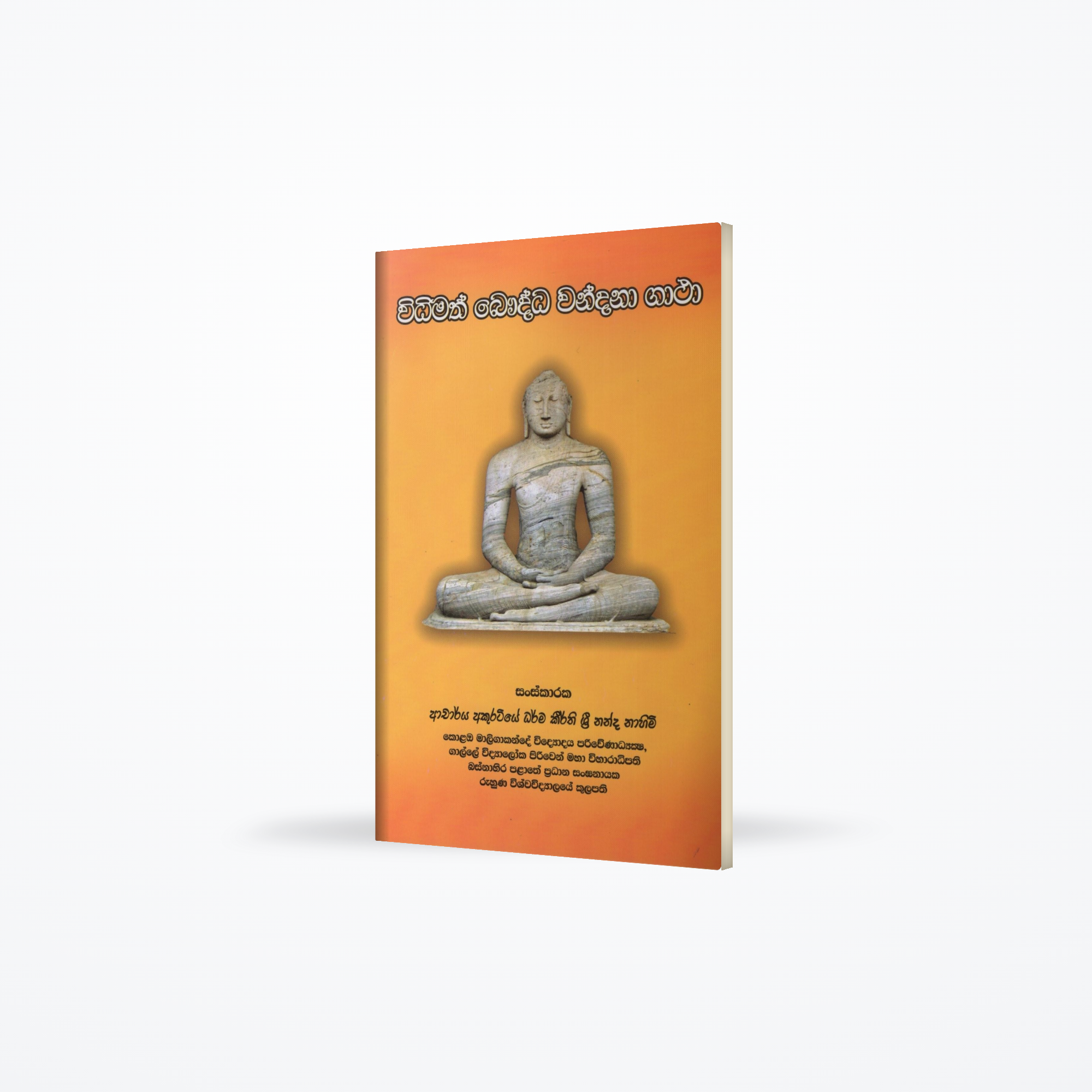
Vandana Gatha and Pirith are two of the most enduring expressions of Theravada Buddhism as practised in Sri Lanka. Together they form the sonic and spiritual backbone of daily devotion — heard in households every morning, recited at temples before dawn, and chanted by robed monks through the night during elaborate ceremonies. Understanding them opens a window into how Buddhism is lived, not merely studied, on the island.
What are Vandana Gatha?
Vandana Gatha (වන්දනා ගාථා) are verses of homage — structured Pali and Sinhala stanzas recited as acts of reverence toward the Triple Gem: the Buddha, the Dhamma (his teachings), and the Sangha (the monastic community). The word vandana comes from the Pali root meaning to salute or pay respect, and gatha simply means verse or stanza.
These chants are typically the first words a practising Buddhist in Sri Lanka will utter each day. Schoolchildren recite them at morning assembly; laypeople repeat them at home shrines before lighting oil lamps or offering flowers. The most commonly memorised sequence begins with the salutation to the Buddha — Namo tassa bhagavato arahato sammā sambuddhassa — followed by the recitation of the Three Refuges and the Five Precepts. The language is precise and ancient, yet the rhythm is accessible enough for young children to learn by heart.
In a temple context, Vandana Gatha form the opening of any puja (offering ceremony). Visiting a temple such as the Iranawila Rajamaha Viharaya in the early morning gives visitors a real sense of how these verses anchor communal worship.
What is Pirith and how is it different?
Pirith (පිරිත්), from the Pali paritta meaning protection, is a set of specific suttas — discourses attributed to the Buddha — that are believed to confer blessings and ward off misfortune when chanted aloud. Where Vandana Gatha are primarily devotional, Pirith is explicitly protective in intent.
The Pirith canon recognised in Sri Lanka includes around 29 suttas, though the most frequently chanted are a shorter subset of seven, known as the Satta Paritta. Key texts include the Metta Sutta (on loving-kindness), the Ratana Sutta (on the jewel qualities of the Triple Gem), and the Mangala Sutta (on auspicious conduct). Each carries a distinct purpose: the Ratana Sutta, for instance, was reportedly first chanted by the Buddha himself to relieve Vesali of plague and famine.
Pirith chanting is performed by monks in relay, often spanning an entire night or even several consecutive days for major ceremonies. A length of white thread — the pirith nool — is held by the officiating monks and stretched to encompass the sacred space; at the end of the ceremony it is tied around the wrists of lay participants as a mark of blessing.
When and why is Pirith chanted?
Pirith ceremonies (known as pirith mandapaya when held in a specially constructed pavilion) mark nearly every significant moment in Sri Lankan life. They are conducted before the opening of a new business, after the birth of a child, during illness, ahead of examinations, and at funerals. Public Pirith sessions are broadcast on national radio and television, particularly around Poya (full-moon) days, which are public holidays in Sri Lanka.
Large-scale ceremonies, sometimes called Maha Pirith, may involve dozens of monks chanting in rotation for 24 to 72 hours. Laypeople attending in shifts contribute to the collective merit of the event. The practice is closely tied to the cultural calendar, with especially elaborate sessions held in the lead-up to the Esala Perahera Festival in Kandy, where religious observance and national pageantry converge.
What is the role of the Dhamma School in preserving these traditions?
Formal instruction in Vandana Gatha begins young. Sri Lanka's network of Dhamma Schools — known in Sinhala as Daham Pasala — operates alongside the state education system, typically on Sunday mornings. Children as young as five begin memorising Vandana Gatha before progressing to selected Pirith suttas and Buddhist history.
The curriculum is nationally standardised and culminates in formal examinations. This structured transmission is one reason these ancient Pali texts have remained so widely known across generations of Sri Lankan Buddhists, even as the language of daily life has shifted entirely to Sinhala.
How do these practices relate to observing Sil?
On Poya days many lay Buddhists observe the Eight Precepts — a stricter code of conduct than the everyday Five Precepts — in a practice known as observing Sil. Vandana Gatha and selected Pirith suttas form the liturgical frame for this observance, recited at the temple at dawn and again at dusk. For a visitor in Sri Lanka on a full-moon day, attending such a session at a working temple offers one of the most authentic encounters with living Buddhist practice on the island.
Are these chants unique to Sri Lanka?
The Pali texts underlying both Vandana Gatha and Pirith are shared across Theravada Buddhist cultures in Myanmar, Thailand, Cambodia, and Laos. What differs is the melodic tradition — the precise pitch contours, rhythmic patterns, and recitation speeds that give Sri Lankan chanting its distinctive sound. Generations of monks have passed down these melodies through oral transmission, and regional variations exist even within Sri Lanka itself, with the Kandyan monastic tradition sometimes differing subtly from coastal or low-country styles.
Scholarly interest in this oral heritage has grown steadily. The Department of Buddhist Affairs in Sri Lanka has worked to document and archive regional chanting traditions, recognising them as intangible cultural heritage.
How can a visitor experience Vandana Gatha and Pirith in Sri Lanka?
Visitors staying near Kandy are well placed to witness authentic Pirith ceremonies. The city's many active temples hold public recitation sessions, particularly around Poya days. The Kandy Tourist Information Center can advise on the schedule of upcoming temple events during any given stay.
Elsewhere on the island, virtually every working Buddhist temple — from small roadside shrines to major pilgrimage sites — will have some form of daily chanting that visitors may observe respectfully. It is customary to dress modestly (covered shoulders and knees), remove footwear before entering the temple grounds, and maintain silence during active recitation.
- Dress modestly: covered shoulders and knees for both men and women.
- Remove footwear before entering any temple building or stupa precinct.
- Observe without interruption during active chanting sessions.
- Photography of monks during ceremonies requires discretion and, ideally, prior permission from temple staff.
- Arrive before dawn for morning Vandana Gatha sessions — most begin between 5:30 and 6:00 a.m.
What texts and recordings are available for those who want to learn?
A range of Sinhala-language printed collections bring together the standard Vandana Gatha and the principal Pirith suttas in a single volume, often with Sinhala transliteration alongside the Pali original. Audio recordings — both cassette and digital — have been produced by Sri Lanka's major monastic institutions and are widely available in bookshops near temple complexes and through online retailers. These recordings serve both as devotional aids and as learning tools for diaspora communities around the world.
The Pali Text Society maintains authoritative editions of the suttas underlying Pirith in both Pali and English translation for those seeking scholarly access to the source material.
Related reading
1 pages on closely related subjects.