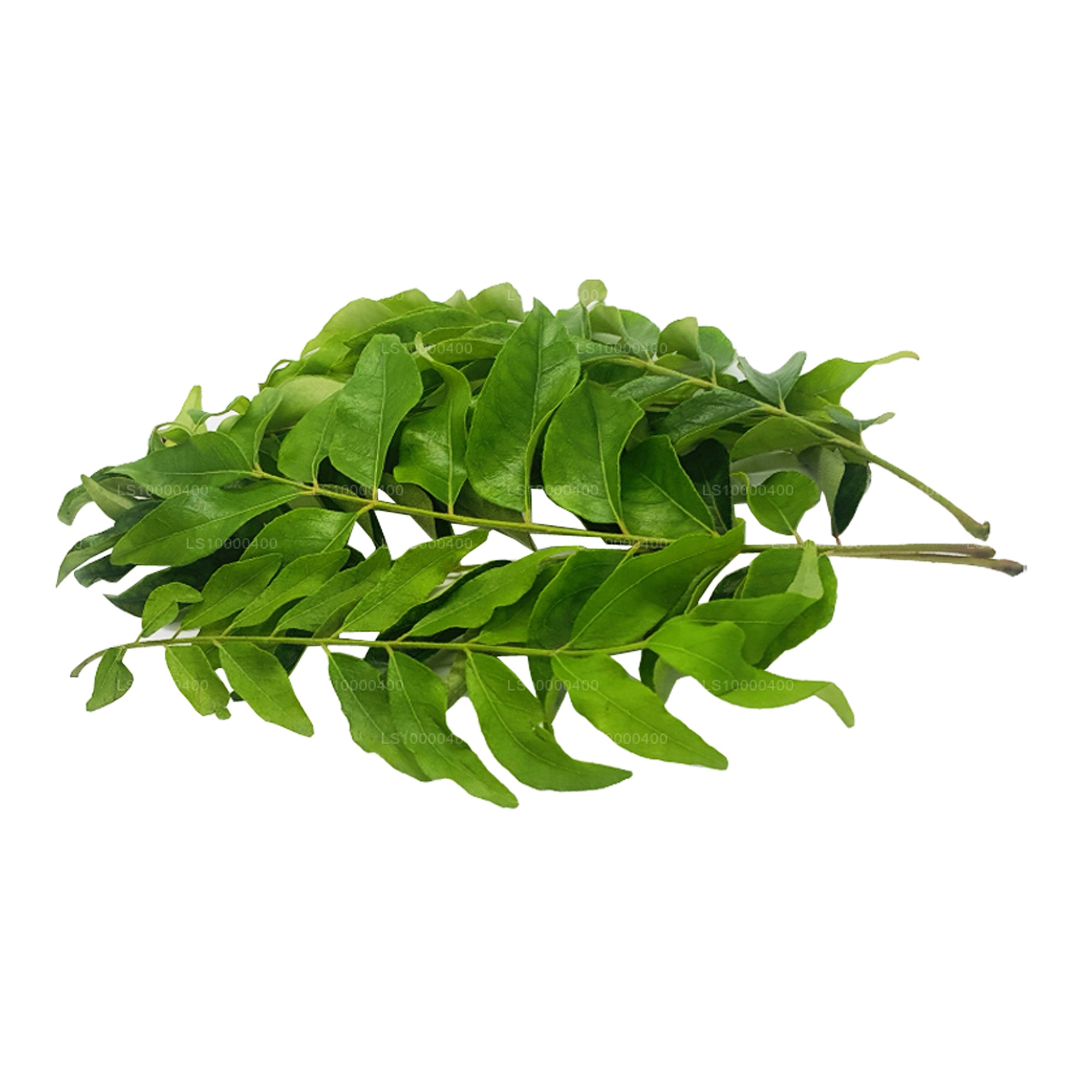
Taro leaves — called kiri ala kola in Sinhala — are the broad, heart-shaped foliage of the taro plant (Colocasia esculenta), one of the oldest cultivated crops in tropical Asia and the Pacific. In Sri Lanka they grow readily in home gardens, paddy-field margins, and moist lowland areas, making them an everyday ingredient in rural kitchens long before the concept of superfoods existed. Their nutritional density, mild flavour, and adaptability to a range of cooking methods have kept them firmly in the Sri Lankan diet across generations.
What nutrients do taro leaves contain?
Taro leaves are a genuinely nutritious vegetable, not simply a vehicle for flavour. They are a good source of dietary fibre, iron, and vitamins A and C. They also supply calcium, potassium, and smaller amounts of B-group vitamins. Because they are low in calories and high in plant-based micronutrients, they fit naturally into both traditional Sri Lankan diets and contemporary plant-based eating.
One important caveat: raw taro leaves contain calcium oxalate crystals — needle-like compounds that cause a sharp, irritating sensation in the mouth and throat. These crystals break down completely with heat, so taro leaves must always be thoroughly cooked before eating. No amount of soaking alone is sufficient; boiling or prolonged simmering is essential.
How are taro leaves prepared and cooked safely?
The standard approach in Sri Lankan cooking is to boil or steam the leaves until fully tender, then squeeze out excess liquid before combining them with other ingredients. Alternatively, simmering in coconut milk is particularly effective — the fat in coconut milk helps neutralise residual oxalates while adding richness to the dish.
- Boiling: Submerge whole or torn leaves in a large pot of salted water; boil for at least 15–20 minutes, drain, and press out water before using.
- Steaming: Works well when the leaves are to be rolled (as in Indian patra), but requires longer steaming than most other greens — typically 30 minutes or more.
- Coconut milk simmering: The preferred method in many Sri Lankan recipes; the leaves are added to a seasoned coconut milk base and cooked low and slow until very soft.
Young, smaller leaves cook faster and tend to have fewer oxalates than large, mature leaves. Always discard the cooking water if you have boiled the leaves.
What Sri Lankan dishes use taro leaves?
Taro leaves appear in a handful of classic Sri Lankan preparations that have remained largely unchanged for centuries.
- Ala kola mallung: Finely shredded boiled taro leaves tossed with grated coconut, green chilli, shallots, turmeric, and a squeeze of lime. Mallung is a dry side dish served alongside rice and curry, and this version is one of the most common uses of the leaves in the central and southern provinces.
- Ala kola curry: The boiled leaves are simmered in a spiced coconut milk gravy, often alongside the taro corm itself. The result is a mellow, creamy curry that pairs well with red rice.
- Pol kiri hodhi with ala kola: A thin coconut-milk broth in which par-boiled taro leaves are gently finished with mustard seeds and pandan.
Beyond Sri Lanka, taro leaves are central to Filipino laing (dried leaves slow-cooked in coconut cream with chilli and pork) and Indian Gujarati patra (leaves spread with a spiced gram-flour paste, rolled, steamed, and sliced). The technique differs, but the underlying principle — long cooking in fat — is shared across all these traditions.
When are taro leaves available in Sri Lanka?
Taro is a year-round crop in Sri Lanka's wet and intermediate zones, so the leaves are available in most local markets across all seasons. Growth peaks during the inter-monsoon and monsoon periods — roughly May to September and again October to January — when rainfall provides the consistent moisture the plant prefers. During these months, leaves from home gardens are at their most abundant and are often shared between neighbours without any commercial transaction.
In drier zones or during prolonged dry spells, irrigated plots near river margins and paddy-field edges still produce leaves, though supply can be patchier. The leaves sold in Colombo's Pettah market and in provincial town markets are typically harvested from the wet lowlands of the Sabaragamuwa and Western provinces.
How do you grow taro for its leaves?
The taro plant thrives in conditions that are warm, humid, and reliably moist. In Sri Lanka this means it grows almost spontaneously in wetter districts, while in drier areas it requires regular irrigation. Key growing requirements:
- Soil: Loamy, well-drained but moisture-retentive soil with a slightly acidic to neutral pH. Heavy clay waterlogging can cause corm rot, though shallow flooding in paddy-style cultivation is also practised.
- Sunlight: Partial to full sun; the plant tolerates light shade, which makes it suitable for growing under the canopy of taller crops.
- Water: Consistent moisture is critical. In home gardens, daily watering during dry spells keeps leaves large and tender.
- Propagation: Usually from corm divisions or suckers rather than seed. New plants establish within a few weeks under good conditions.
- Harvesting leaves: Outer leaves can be harvested individually once the plant is established, without uprooting it. This allows a single plant to produce leaves for many months.
Home growers in Sri Lanka often maintain a few taro plants alongside other kitchen-garden staples in what is known as a traditional kumbura or home plot, harvesting leaves on demand.
What are the traditional medicinal uses of taro leaves?
In Sri Lankan and South Asian Ayurvedic practice, taro leaves have been used in folk remedies for generations, though these uses are not a substitute for medical treatment. Traditional applications include topical poultices made from the leaves to soothe minor skin inflammation, and decoctions prepared from older leaves for digestive complaints. The leaves' iron content has made them a traditional dietary recommendation for those recovering from anaemia, particularly in rural communities where access to pharmaceutical supplements was historically limited.
Any medicinal application should be treated with appropriate caution and verified with a qualified practitioner. The oxalate content of raw leaves means that unprocessed leaf preparations carry a risk of irritation.
How should fresh taro leaves be stored?
Fresh taro leaves wilt relatively quickly once harvested. For best results:
- Wrap loosely in a damp cloth or paper and refrigerate; use within two to three days.
- Do not wash before storing — moisture accelerates decay.
- If you need to keep them longer, blanch in boiling water for five minutes, cool rapidly, squeeze dry, and freeze in small portions.
Dehydrated taro leaf products extend the shelf life considerably and are increasingly available through specialty suppliers, allowing the nutritional benefits of the leaf to be accessed outside the tropics or out of season.
Related reading
1 pages on closely related subjects.