Tangalle sits on Sri Lanka's southern coast with a quieter character than the resort strips further west. It is a working fishing harbour town in Hambantota District, Southern Province, where rocky headlands alternate with long sandy bays, and coconut palms lean over lagoons edged with bird-filled wetlands. Travellers who arrive here tend to slow down — the town rewards that decision.
What makes Tangalle different from other southern beach towns?
Unlike Hikkaduwa or Unawatuna, Tangalle has not been heavily commercialised. The coastline is fragmented into distinct bays separated by rocky promontories, which naturally limits crowd density. Medaketiya Beach draws those who want open sand and reliable surf, while the quieter Marakolliya stretch, bordering a brackish lagoon, attracts visitors looking for isolation. The town centre around the old harbour retains an everyday Sri Lankan rhythm — fish markets, three-wheeler traffic, and small family guesthouses alongside newer boutique properties.
The surrounding area adds further depth. Rekawa Lagoon, a few kilometres east, is one of Sri Lanka's most important nesting sites for marine turtles, with five species recorded on its shores. Guided night visits during the nesting season (roughly April to September) offer a rare wildlife encounter without the commercial atmosphere of western-coast hatcheries.
When is the best time to visit Tangalle?
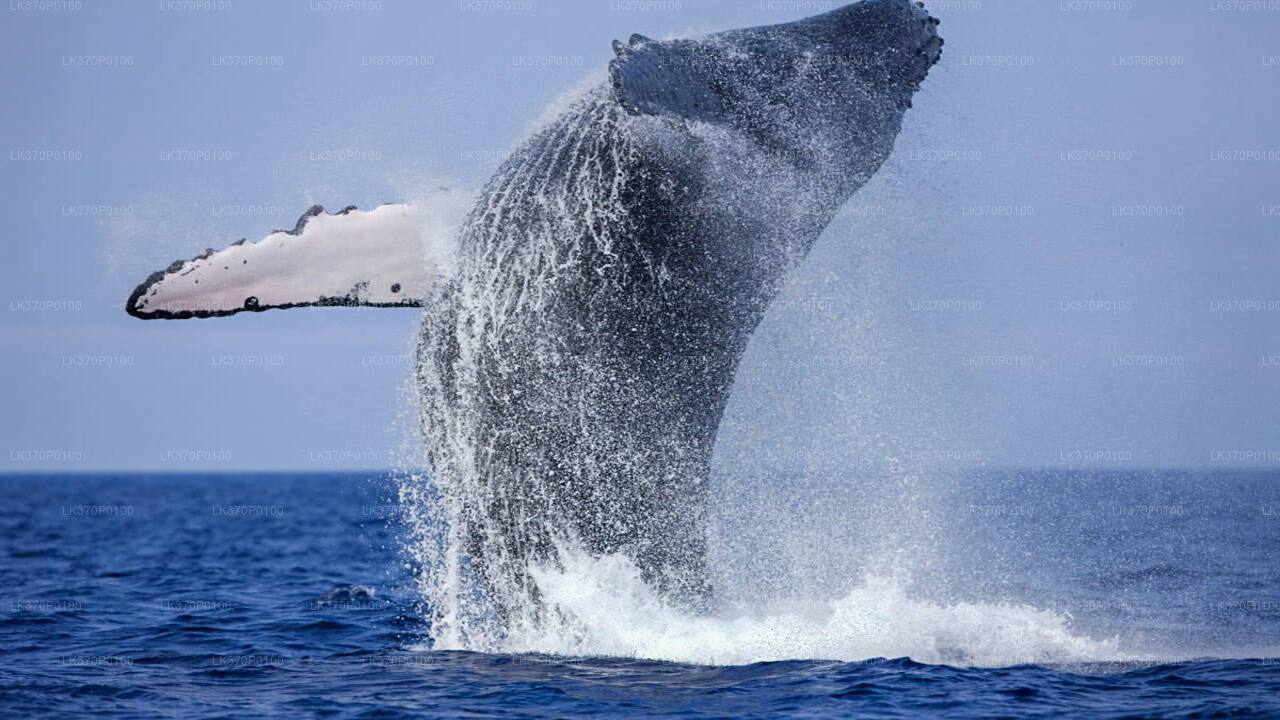
The southern coast's dry season runs from December through April, when skies are generally clear and seas are calm enough for swimming and boat trips. This is the peak season for whale watching offshore — blue whales and sperm whales pass relatively close to the coast during these months, making Tangalle one of the more accessible departure points for cetacean encounters in Sri Lanka.
The inter-monsoon period (October to November) can bring unpredictable rain but also dramatic seascapes and lower accommodation rates. From May to September the south-west monsoon makes swimming inadvisable on most Tangalle beaches, though the area receives less rain than the west coast at the same time. Surfers sometimes prefer the swell conditions that build during this shoulder window.
What can you do in and around Tangalle?
The town and its surroundings offer activities across a broad range — beach, wildlife, and cultural — within a compact radius.
- Whale and dolphin watching: Boats depart from Tangalle harbour between December and April targeting blue whales, sperm whales, and spinner dolphins in the deep water channels south of the coast.
- Turtle nesting at Rekawa: The Rekawa beach conservation project allows small guided groups to observe nesting sea turtles at night. Visits are timed around turtle activity and are managed to minimise disturbance.
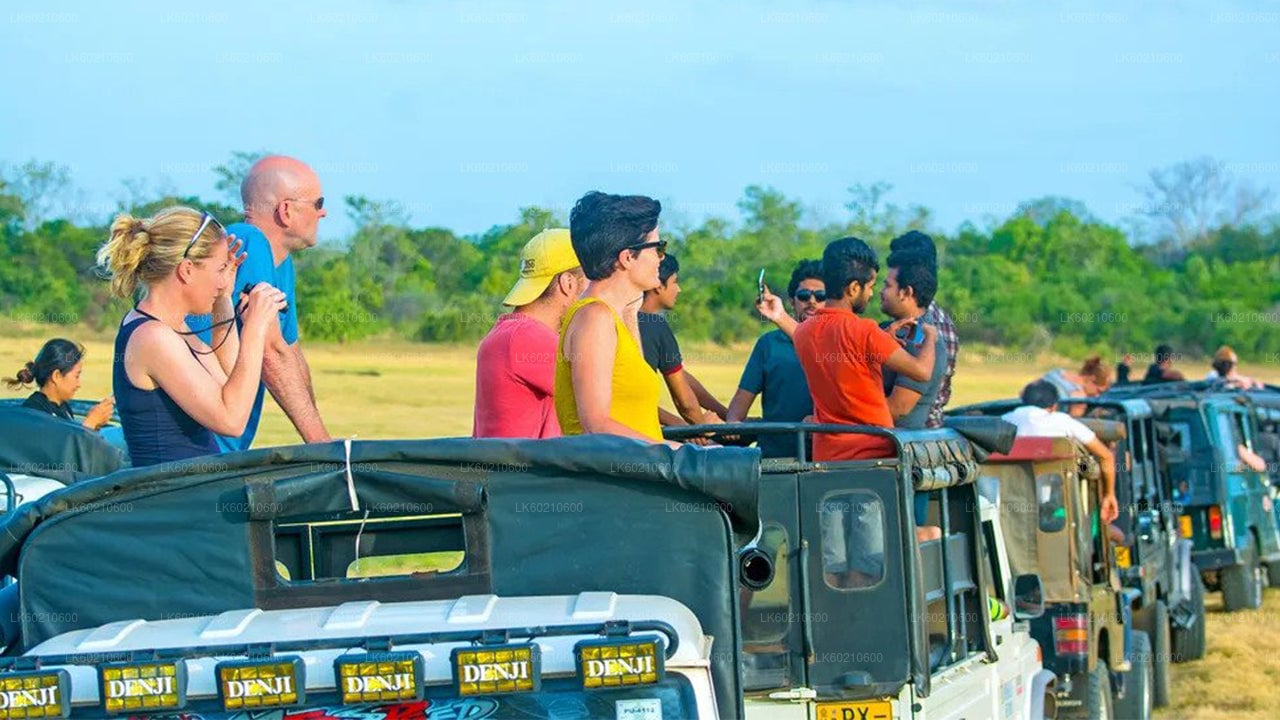
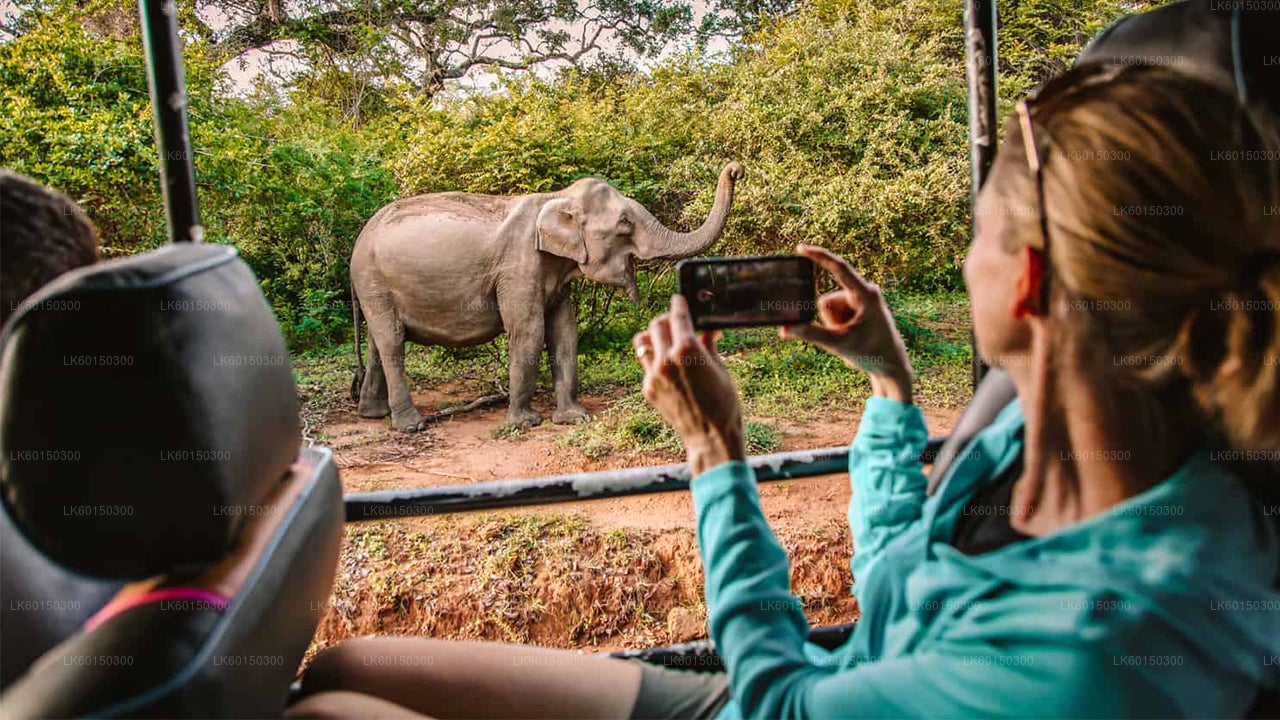
- Bundala National Park: Located around 25 kilometres west of Tangalle, Bundala is a designated Ramsar wetland and biosphere reserve. It is best known for wintering flamingos, painted storks, and elephant herds that move through the scrub forest. Jeep safaris operate year-round, with the dry season offering the clearest sightings.
- Yala National Park: Sri Lanka's most celebrated wildlife reserve is roughly 60 kilometres east of Tangalle. Sinharaja Forest Reserve may draw birders inland, but Yala is the key destination for leopard sightings and the sheer density of wildlife in its Block I. Day safaris from Tangalle are practical and popular.
- Mulkirigala Rock Temple: A cluster of cave temples cut into a granite outcrop rising around 200 metres above the surrounding plain, approximately 16 kilometres north of Tangalle. The site dates to the 2nd century BCE and contains painted chambers and reclining Buddha statues stacked across several terrace levels. The climb is short but steep.
- Hummingbird Beach and Goyambokka: Two smaller, sheltered coves west of the main town that are calmer for swimming and popular for snorkelling during the dry months.
- Deep-sea fishing: Local skippers offer deep sea fishing trips out of the harbour targeting yellowfin tuna, marlin, and dorado. Morning departures are standard.
How do I get to Tangalle from Colombo?
Tangalle is approximately 240 kilometres south of Colombo. The Southern Expressway (E01) cuts the overland journey to around three to three-and-a-half hours by private vehicle, exiting at Pinnaduwa and continuing via the coastal A2 road. Intercity buses run from Colombo Fort bus stand and are an affordable option, though journey times vary. A private transfer is the most comfortable choice for travellers arriving with luggage or continuing to Yala or the Cultural Triangle on the same itinerary.
From Galle — covered in the Galle City Tour — Tangalle is roughly 75 kilometres east along the A2 coastal highway, a scenic drive of about 90 minutes.
What wildlife can I see near Tangalle?
The area around Tangalle sits within one of Sri Lanka's richest wildlife corridors. Bundala National Park shelters elephant, saltwater crocodile, jackal, and over 200 bird species in its lagoon and scrub ecosystem. Yala's Block I holds what is often cited as one of the highest leopard densities of any protected area in the world, alongside sloth bear, elephant, and water buffalo. The Elephant Transit Home at Udawalawe, around 70 kilometres north, rehabilitates orphaned elephants and allows visitors to observe feeding sessions.
On the marine side, the waters off the southern coast support blue whales year-round, with peak sightings concentrated between December and April. Olive ridley, green, leatherback, loggerhead, and hawksbill turtles all nest on Rekawa beach — a record for a single beach in Sri Lanka.
Where should I stay in Tangalle?
Accommodation in Tangalle ranges from simple guesthouses in the town centre to boutique villas and resort properties strung along the bays. Properties on the Rekawa lagoon side offer a notably peaceful setting, separated from the main road by the water. The area around Marakolliya and Medaketiya holds a mix of mid-range hotels and independent bungalows. Tangalle has no large international chain hotels dominating the beachfront, which contributes to the relaxed character of the town.
Travellers combining Tangalle with a southern circuit — Galle, Mirissa, Tangalle, Tissamaharama, Yala — typically spend two to three nights here, which is enough time to cover the key beaches, a Bundala safari, and a Rekawa turtle visit.
Is Tangalle safe for swimming?
Swimming conditions vary significantly by beach and season. During the dry season (December to April), Medaketiya, Goyambokka, and the smaller coves are generally calm and suitable for swimming. Marakolliya faces more open sea and can have stronger currents. From May through September the south-west monsoon generates rough surf and rip currents on exposed beaches — local advice and any posted flags should be observed. The lagoon-side beaches near Rekawa are sheltered and less affected by seasonal swell.