Lakpura
Lakpura®

Galle City

Galle sits at the southwestern tip of Sri Lanka's coastline, roughly 120 kilometres south of Colombo, where the Indian Ocean wraps around a broad headland that has sheltered ships for more than two millennia. The city is best known for its UNESCO-listed Dutch Fort — a 36-hectare walled quarter of cobbled lanes, colonial churches and ocean-facing bastions — but beyond the ramparts lies a working port city with busy markets, thriving surf beaches, and a restaurant scene that has grown quietly serious. Most visitors treat Galle as a day trip; those who stay longer tend to understand why it rewards the extra time.

History and Character

Galle's natural harbour drew Arab, Chinese and Indian traders long before European contact. By the 14th century it had become the island's principal seaport, a status it held until Colombo's artificial harbour was completed in 1873. The Portuguese built the first fortifications here in 1589; the Dutch VOC (Vereenigde Oost-Indische Compagnie) captured the fort in 1640 and spent the following decades rebuilding it in dressed granite to the distinctive star-bastion pattern that survives today. The British took possession in 1796 and added their own administrative layer — a church here, a prison there — without dramatically altering the Dutch street grid. The result is a small colonial city that feels genuinely inhabited rather than preserved under glass: lawyers' offices, a working lighthouse, a mosque, a school and a handful of boutique hotels all operate within the same walls that once held VOC warehouses.

The 2004 Indian Ocean tsunami struck the coast severely but left the thick granite ramparts largely intact, reinforcing the fort's reputation as a place of solid permanence on an otherwise changeable coastline.

Orientation: Fort and Beyond

The city divides naturally into two zones. The Fort peninsula is the historic core, enclosed on three sides by the sea and on the landward side by the old gate and newer New Gate. Everything here is walkable. Outside the walls, the modern commercial town — referred to locally simply as "Galle Town" or "the main town" — stretches north and east around the bus terminus and market area. Further out along the coast in either direction lie the beach communities that most visitors use as a base: Unawatuna to the immediate east, then Thalpe, Koggala, Habaraduwa and Ahangama continuing south and east toward Mirissa and Matara.

Inside the Fort

Church Street, Leyn Baan Street and Pedlar Street form the main residential and commercial arteries. The Dutch Reformed Church (1755) anchors the northern end of Church Street; the lighthouse at Pigeon Island Bastion marks the southern tip of the peninsula. The ramparts themselves are largely open to walkers at all hours and are free to access. Streets are narrow, traffic is limited and the scale is intimate — it takes no more than thirty minutes to walk the perimeter of the walls.

Galle Town

The area immediately outside New Gate contains the main bus terminus, a bustling fruit and vegetable market, hardware shops, pharmacies and local eateries charging a fraction of Fort prices. Travellers arriving by train alight at Galle Railway Station, a ten-minute walk north of New Gate. This is the functional city that locals use daily, and it is worth at least a short wander.

Coastal Suburbs

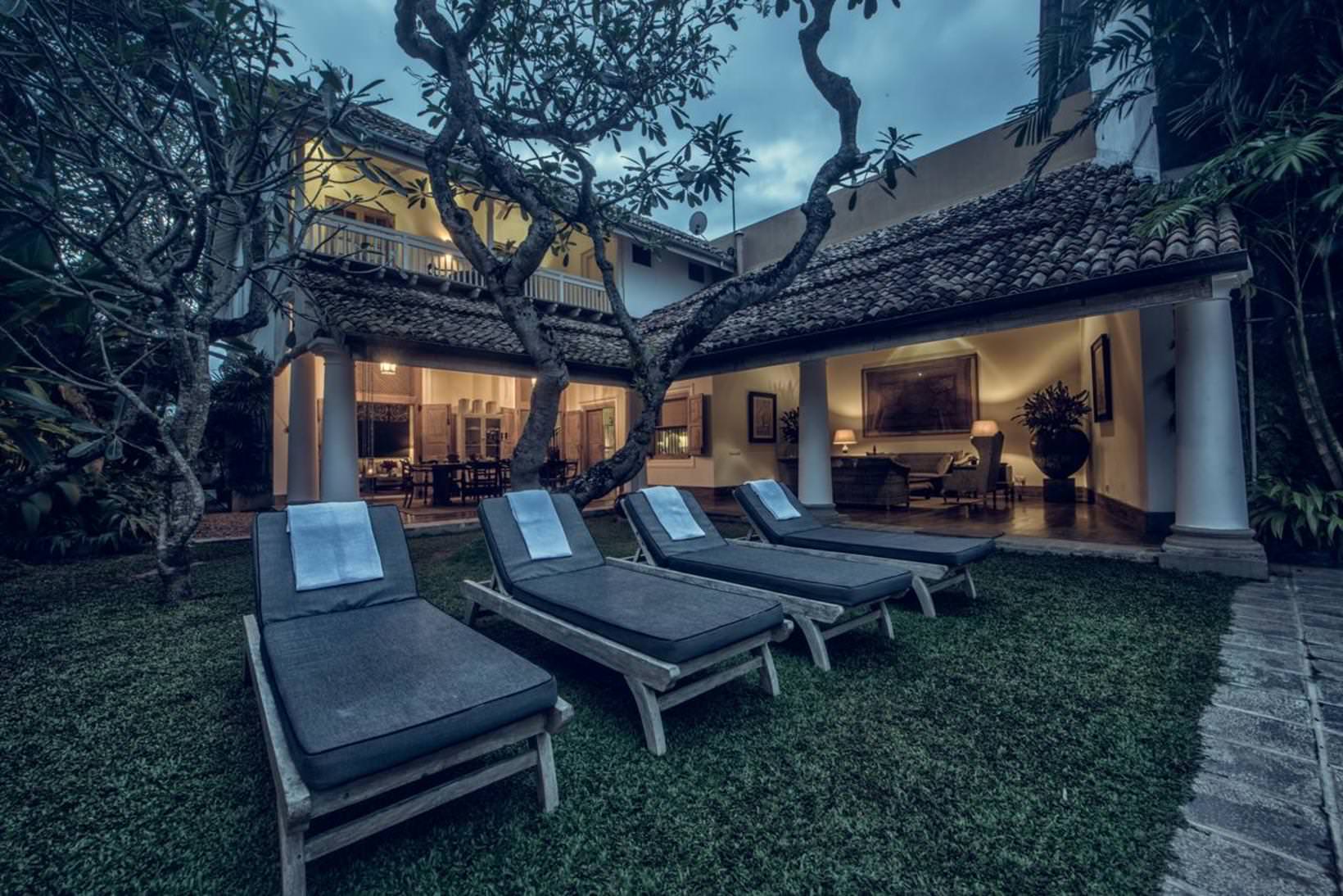
Unawatuna, 3 kilometres east of the Fort, is the nearest beach and the most developed, with a curved bay, snorkelling reefs and a strip of guesthouses and restaurants at various price points. Thalpe and Koggala (roughly 6–10 kilometres east) are quieter, favoured by those renting villa-style accommodation. Ahangama, about 15 kilometres out, draws surfers. None of these require a vehicle if you are staying locally — tuk-tuks run the coastal road constantly.

Key Sights and Experiences

The Fort Ramparts

Walking the full circuit of the ramparts takes 45–60 minutes at a leisurely pace. The western and southern faces offer uninterrupted ocean views; the eastern faces look back over the town and harbour. Sunset from Triton Bastion or Flag Rock Bastion is consistently excellent — arrive 30 minutes early for a good position, particularly between November and April when the sky is reliably clear. The rampart walk is free and technically open around the clock, though the atmospheric high point is the hour before dusk.

Dutch Reformed Church and Cemetery

Built in 1755 on the site of an earlier Portuguese church, the Dutch Reformed Church retains its original VOC-era floor, paved almost entirely with gravestones transferred from the adjacent cemetery. The inscriptions record the lives — and often the short lives — of Dutch merchants and their families. Entry is free; modest dress is expected.

Galle National Museum

Housed in a Dutch colonial building on Church Street, the museum covers the history of the south coast from prehistoric settlement through the colonial era. The collection is modest by international standards but the building itself is worth seeing; admission is around LKR 500–600 for foreign visitors. Closed on Mondays.

The Lighthouse

The current lighthouse at the southern tip of the Fort dates to 1938 and is still operational. It is not open for interior visits, but the surrounding bastion offers some of the best open-ocean vistas in the city and a clear view back along the ramparts.

Galle International Cricket Stadium

Immediately below the southern ramparts, this Test venue is one of the more photogenic cricket grounds in the world. When no match is scheduled, the outfield is often open and locals use the perimeter for exercise. Check the Sri Lanka Cricket fixtures calendar well in advance if attending a Test is part of your trip — tickets sell quickly and accommodation prices around Galle spike considerably during match weeks.

Harbour and Yacht Marina

The natural harbour has been in continuous use since antiquity. A yacht marina on the northern side of the peninsula now offers berths for ocean-going vessels. The harbour area is pleasant for an early-morning walk when fishing boats return.

Food and Drink

The Fort's restaurant scene has matured into something genuinely varied. Expect good wood-fired pizza, Sri Lankan rice and curry, fresh seafood, Vietnamese-influenced menus and capable cocktail bars, most concentrated along Pedlar Street and the lanes running off it. Prices inside the Fort reflect the tourist footfall: a main course at a mid-range restaurant runs USD 8–18. For a fraction of that, the local eateries ("hotels" in Sri Lankan parlance) just outside New Gate serve rice and curry, kottu roti and short eats to the town's working population.

A few specifics worth noting: the fish market near the harbour supplies restaurants directly, so seafood freshness is reliably high. Hoppers (bowl-shaped rice-flour pancakes, eaten with sambol and curry) are best found at local spots in Galle Town rather than the tourist-facing Fort restaurants. The fort has a growing number of artisan coffee cafes; filter coffee made with local estate beans is worth seeking out.

Where to Stay

Accommodation broadly separates into three tiers and two locations.

  • Inside the Fort: Boutique hotels and guesthouses in renovated Dutch-period merchant houses. Character is high; rooms are often compact by the standards of the price point. Rates range from around USD 60–250 per night depending on season. Staying inside the walls means you can walk the ramparts at dawn before day-trippers arrive.
  • Unawatuna and coastal villages: A wider range, from backpacker guesthouses at USD 20–35 to villa rentals at USD 150–400. Better suited to those prioritising beach access over fort atmosphere.
  • Galle Town: Functional, inexpensive local guesthouses (USD 15–30) with little atmosphere but convenient access to the bus and train stations.

Book well ahead for December through February and for any period coinciding with a Test match at the cricket ground.

Getting There

By Train

The Colombo Fort–Matara coastal rail line is the most enjoyable way to arrive. From Colombo Fort station, the journey takes 2.5–3.5 hours depending on the service; the coastal stretch south of Hikkaduwa is particularly scenic. The Intercity Express (reserved seats available, around LKR 300–500 second class) is comfortable and punctual by Sri Lankan standards. The train station in Galle sits just north of the Fort, a ten-minute walk to New Gate.

By Road

The Southern Expressway (E01) has reduced the Colombo–Galle drive to 1.5–2 hours in normal traffic, departing from the Kottawa interchange south of Colombo. The toll is around LKR 400–600. The older A2 coastal road takes 3–4 hours but passes through Hikkaduwa and is picturesque if time allows. Intercity buses operate from Colombo's Bastian Mawatha terminal; express services take around 2.5 hours on the expressway. Private car hire from Colombo costs approximately USD 40–65 one way.

Reaching the central highlands directly from Galle is slow: there is typically only one early-morning bus service to Kandy, taking 4.5–6 hours via the inland A8 road. Most travellers return to Colombo and connect onward, or take the train north and change at Peradeniya Junction.

Getting Around

Inside the Fort, walking is the only practical option — and the right one. Tuk-tuks wait at both the Old Gate and New Gate for journeys to Unawatuna and coastal villages (LKR 200–400 to Unawatuna; negotiate before boarding). Local buses run the coastal road frequently and cost LKR 30–60 per short hop. Hiring a tuk-tuk by the half-day (LKR 1,500–2,500) is practical for exploring the coast east toward Koggala and Ahangama.

Best Time to Visit

Month Weather Crowds Notes
Dec – Feb Dry, 27–30°C High Peak season; European winter escape. Book accommodation early.
Mar – Apr Dry to transitional Moderate Good value; increasingly warm. April brings Sinhala New Year.
May – Jun Southwest monsoon begins Low Heavy rain possible; sea rough. Fort itself remains interesting.
Jul – Sep Monsoon (intermittent) Low–Moderate Showers concentrated; mornings often clear. Prices drop significantly.
Oct – Nov Transitional Low–Moderate Improving conditions; good shoulder-season rates.

The southwest monsoon (roughly May to September) brings the heaviest rainfall and roughest seas to the Galle coast. The Fort's cultural sights remain accessible year-round, but beach activities and sunset rampart walks are more reliably pleasant from November to April.

Practical Tips

  • Money: ATMs are available on the main road outside New Gate and at a couple of points inside the Fort. Carry cash for tuk-tuks, local eateries and smaller guesthouses. The exchange rate at licensed exchange counters is generally better than at airport kiosks.
  • Safety: Galle is one of Sri Lanka's safer cities for visitors. The main nuisances are persistent gem-shop touts near the Old Gate and occasionally misleading "tour guide" offers for the fort. The fort has official licensed guides; ask to see accreditation.
  • Etiquette: The Dutch Reformed Church and the Meeran Jumma Mosque inside the Fort are active places of worship. Dress modestly (shoulders and knees covered) and remove shoes where indicated.
  • Connectivity: Mobile data (Dialog, Mobitel, Hutch SIM cards) works well throughout Galle and the coastal strip. Most Fort cafes and hotels offer reliable Wi-Fi.
  • Gem touts: A persistent scam involves friendly strangers steering visitors into gem or batik shops claiming a "special government sale" or similar. Decline politely and keep walking.

Suggested Itinerary

One Day

Arrive by morning train from Colombo. Walk New Gate into the Fort, follow the ramparts clockwise to the lighthouse, then cut inland through Leyn Baan and Pedlar Streets to the Dutch Reformed Church. Lunch at a local spot in Galle Town for authentic rice and curry. Return to the Fort for the afternoon: Galle National Museum, then position yourself on the western ramparts for sunset. Dinner inside the Fort; evening train or private transfer back to Colombo.

Two Days

Day one as above, staying overnight inside the Fort. Day two: early rampart walk at dawn, then tuk-tuk east to Unawatuna for a morning swim. Continue along the coast to Koggala lake (watch for monitor lizards and egrets) and the Martin Wickramasinghe Folk Museum at Koggala village, which preserves traditional southern Sri Lankan domestic life in an atmospheric compound. Return to Galle for a final dinner.

Three Days

Add a day trip inland to Udawalawe (see below) or extend the coastal exploration south toward Ahangama and Midigama for surfing, or toward Weligama for beginner surf lessons and whale-watching departures (blue and sperm whales are reliably sighted off Mirissa from November to April).

Day Trips from Galle

  • Unawatuna and Jungle Beach: 3 kilometres; tuk-tuk or walk. Good snorkelling on the reef; Jungle Beach requires a short hike around the headland and is considerably quieter.
  • Koggala and Kataluwa: 8–10 kilometres east. Koggala lake boat trips, stilt fishermen at Koggala beach (early morning or late afternoon for the authentic rather than tourist-posed version), and the 14th-century Kataluwa Purvarama temple with unusual murals.
  • Udawalawe National Park: Approximately 120 kilometres northeast of Galle via the A18 road (2.5–3 hours). Udawalawe National Park is Sri Lanka's most reliable destination for seeing wild elephants in open grassland savannah — a very different landscape from the coast and well worth the drive for those with a third day to spare.
  • Colombo day trip (reverse): The fast train makes a Colombo day trip possible, though the city rewards more than a day. Colombo is better treated as a gateway than a day excursion from Galle.
Ask Lakpura® Agent