Hikkaduwa sits on Sri Lanka's southwest coast, roughly 98 km south of Colombo, and has earned a firm place on the island's tourist map without losing the easy, unhurried pace of a fishing town. Wide beaches, a government-protected coral reef, consistent surf breaks, and a scattering of cultural sites make it a destination that suits snorkellers, surfers, and slow travellers in equal measure.
What makes Hikkaduwa different from other Sri Lankan beach towns?
Most coastal towns along the southern highway offer sand and sea. Hikkaduwa adds a functioning marine national park almost directly opposite its main beach. The shallow lagoon between the shore and a line of rocky islets shelters live coral formations and a resident population of sea turtles, giving the town a natural draw that goes beyond sunbathing. The surf at the northern end of the beach is also among the most reliable on the island, attracting riders from November through April.
What is Hikkaduwa National Park, and how was it formed?
The offshore islets were first declared sanctuaries in 1940, protecting a small area of rocky habitat. The reserve was upgraded to nature reserve status in 1988 and later gazetted as a national park, making it one of Sri Lanka's smallest but most visited marine protected areas. The park encompasses the coral gardens, the rocky islets, and the shallow reef system between them.
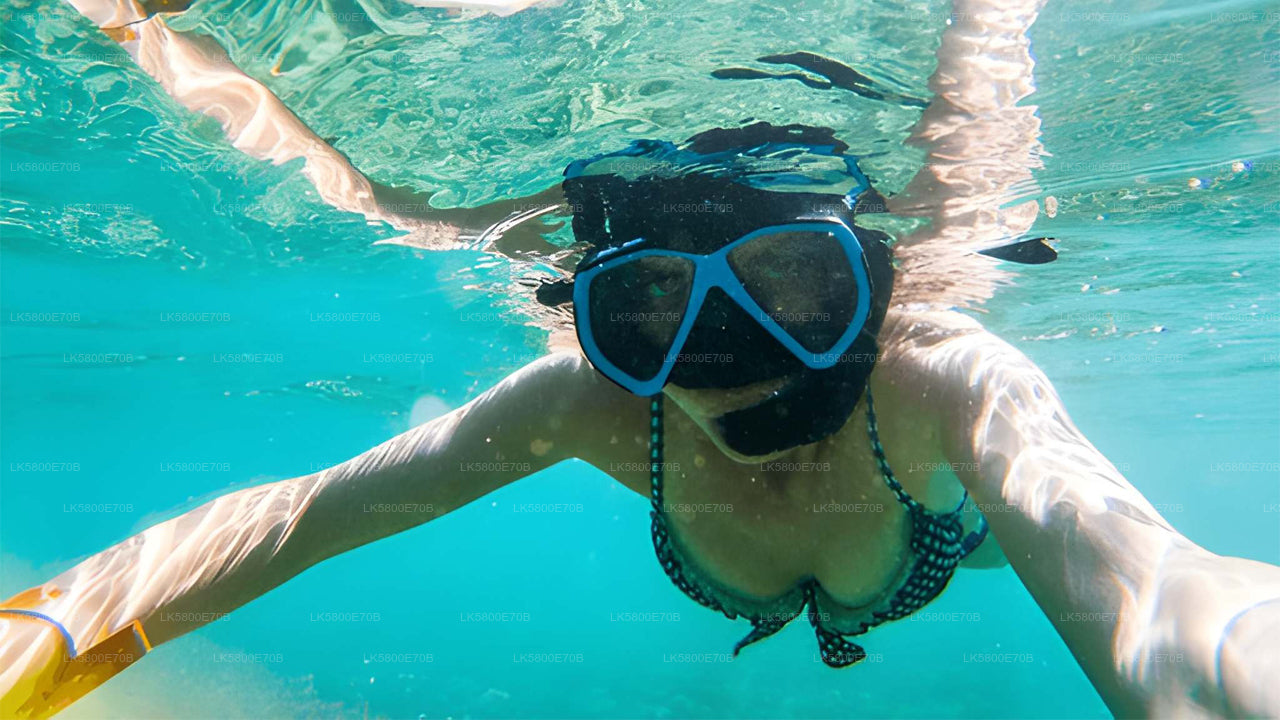
The coral formations support a wide variety of reef fish, hawksbill and green sea turtles, and occasional visits from reef sharks. Snorkelling is the most common way to explore — the water is shallow and generally calm between November and April. Glass-bottom boat rides are available for those who prefer to stay dry, and operators line the beach road throughout the main tourist season.
What can I see and do at Hikkaduwa Beach?
Hikkaduwa Beach stretches for several kilometres and divides naturally into distinct zones. The northern section near Hikkaduwa town is the liveliest, with surf breaks, beach bars, and equipment rental. Moving south towards Narigama and Thiranagama, the pace slows and the beach widens. Key activities include:
- Snorkelling – wade from the beach or take a short boat ride to reach the coral gardens. The Hikkaduwa Turtle Hatchery nearby also offers context on the marine life you are likely to encounter.
- Surfing – the reef break off Hikkaduwa town works best from November to April when the northeast monsoon keeps the southwest coast calm.
- Diving – several dive centres operate around the main beach road, with sites ranging from the coral gardens to deeper wrecks offshore.
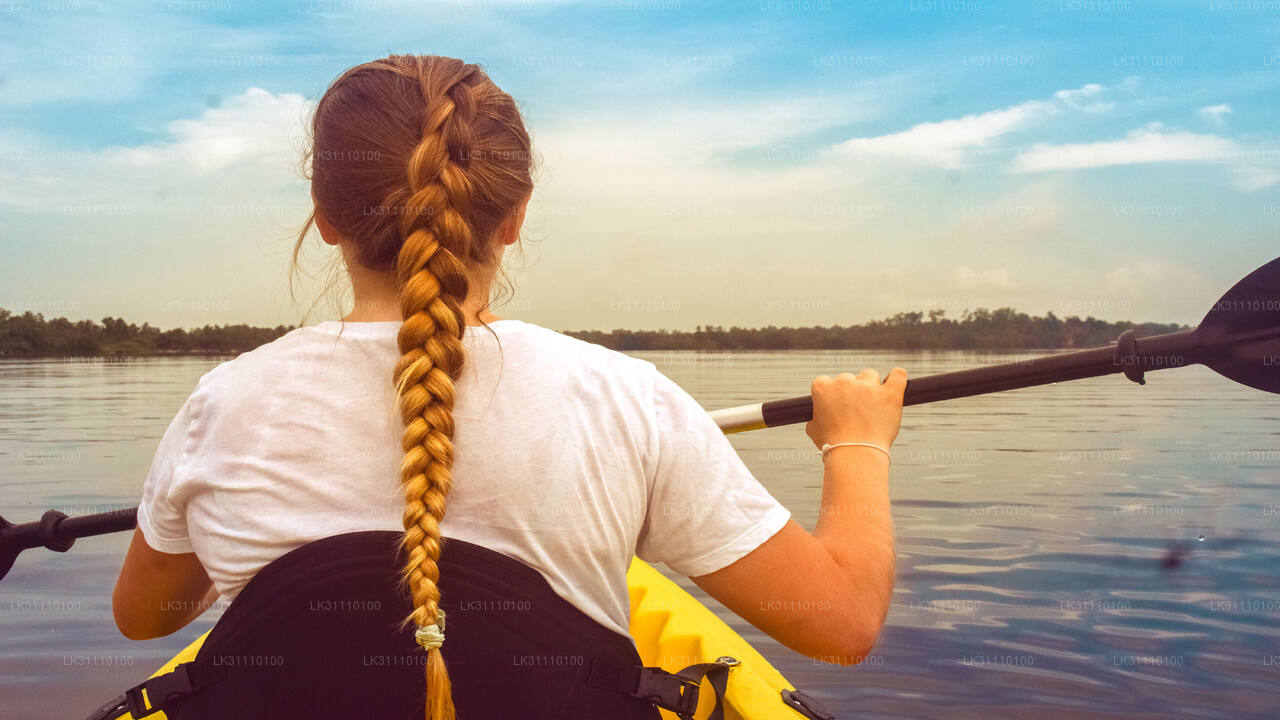
- Kayaking – Rathgama Lake, a lagoon just south of town, offers calm flatwater kayaking through mangrove channels.
- Deep-sea fishing – half-day and full-day deep-sea fishing trips depart from the harbour and target species such as yellowfin tuna and dorado.
Are there sea turtles at Hikkaduwa?
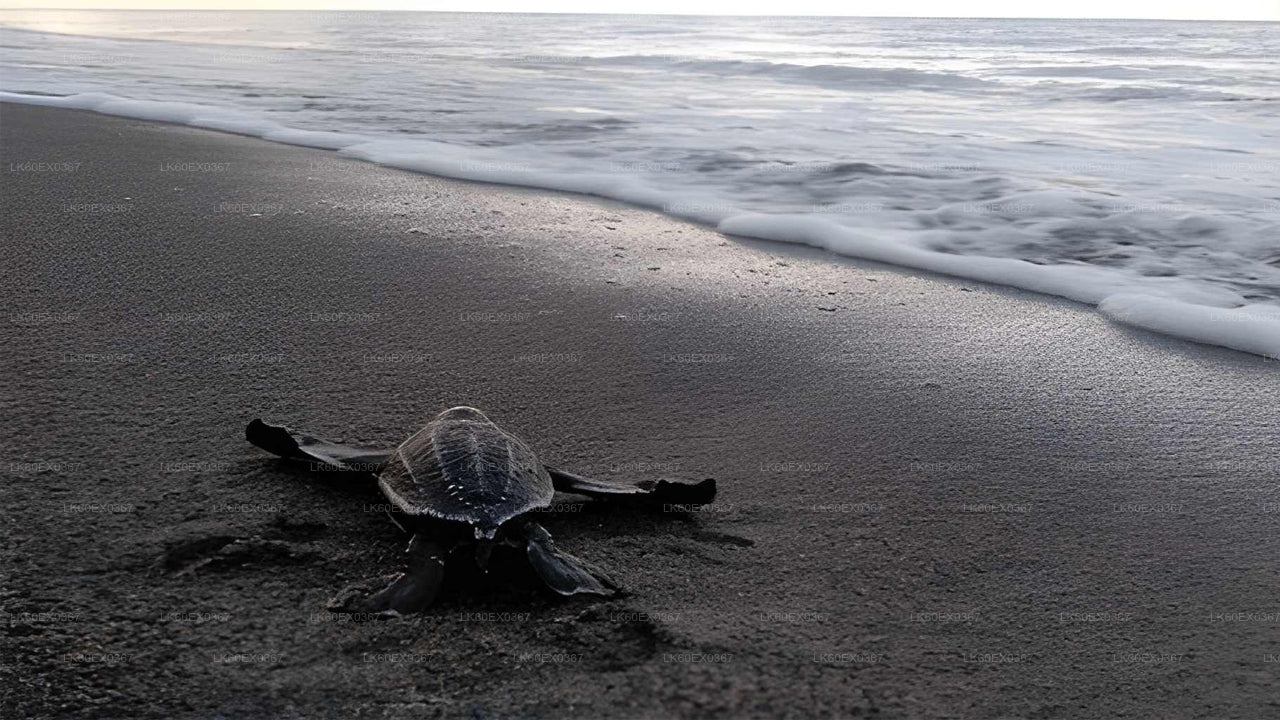
Sea turtles are a genuine highlight of a snorkel or dive in the national park. Green and hawksbill turtles feed on the reef year-round, and sightings are common rather than exceptional during the calm season. Several hatcheries near Hikkaduwa collect eggs from nesting females to protect them from predators and human disturbance, releasing hatchlings into the sea once they have matured enough to improve their survival odds. Participating in a baby turtle release is a popular activity for families.
What cultural sites are worth visiting near Hikkaduwa?
Gangarama Maha Vihara, a short distance inland from the beach, is a working Buddhist temple decorated with elaborate hand-painted murals. The paintings cover walls and ceilings with scenes from the Jataka tales and the life of the Buddha, and the temple remains an active place of worship rather than a museum piece — visitors are welcome but should dress modestly and remove shoes before entering.
The Telwatte area, immediately north of the main resort strip, includes a bird sanctuary set around a lagoon and mangrove fringe. Further north along the coast, the Madu River Safari on the Madu Ganga estuary is an easy half-day excursion that passes through mangrove islands, cinnamon gardens, and small fishing communities.
How do I get to Hikkaduwa from Colombo?
The Southern Expressway (E01) connects Colombo to Matara and is the fastest road option; most drivers exit at Pinnaduwa and continue on the coastal road. Journey time by private car is typically 90 minutes to two hours depending on traffic leaving Colombo. The coastal railway line also serves Hikkaduwa directly — trains run from Colombo Fort station several times daily and the ride takes around two to two-and-a-half hours, offering sea views for much of the journey. A Galle City Tour pairs well with a Hikkaduwa stay, as the UNESCO-listed Dutch fort is only about 18 km to the south.
When is the best time to visit Hikkaduwa?
Hikkaduwa's peak season runs from November to April, when the southwest coast is sheltered from the monsoon. Sea conditions during these months are calm, visibility in the marine park is at its best, and the surf is at its most consistent. May to October brings the southwest monsoon, which produces rougher seas and reduced visibility for snorkelling. The town does not close in the off-season — accommodation prices drop and the beach is noticeably quieter — but diving and snorkelling are less reliable.
| Month | Sea conditions | Surf | Snorkelling visibility |
|---|---|---|---|
| Nov – Apr | Calm | Consistent reef break | Good to excellent |
| May – Oct | Rough (SW monsoon) | Variable/stormy | Reduced |
What should I know before snorkelling in the coral gardens?
Hikkaduwa's coral reef has faced pressure from tourism, boat anchors, and past bleaching events. Recovery is ongoing and some sections of the reef are healthier than others. To protect what remains: do not stand on or touch the coral, avoid using sunscreen containing oxybenzone or octinoxate before entering the water, and follow operator guidelines on where to swim. Choosing a licensed operator who briefs guests on reef etiquette makes a measurable difference. The Department of Wildlife Conservation manages the national park and periodic restrictions may apply to certain zones.
What day trips can I take from Hikkaduwa?
Hikkaduwa's position on the south coast puts several significant attractions within easy reach:
- Galle (~18 km) – the Dutch colonial fort, galleries, and boutique cafes make for a comfortable half-day.
- Kosgoda (~12 km north) – home to the Kosgoda Sea Turtle Conservation Project, one of Sri Lanka's oldest turtle hatcheries.
- Sinharaja Forest Reserve – Sri Lanka's last remaining lowland rainforest and a UNESCO World Heritage Site is accessible as a day trip for those prepared for an early start. The Sinharaja Forest Reserve is a stronghold for endemic birds and rare flora.
- Udawalawe National Park – roughly two to three hours inland, Udawalawe offers reliable elephant sightings on a half-day safari.
Where should I stay in Hikkaduwa?
Accommodation ranges from small guesthouses and surf camps to mid-range boutique hotels and a handful of resort-style properties. The main beach road between Hikkaduwa and Narigama has the densest concentration of options. Travellers who prefer quieter surroundings tend to stay slightly south, around Thiranagama, from where the beach is more spacious and traffic less intrusive. Lakpura works with a curated selection of properties in and around Hikkaduwa to suit different budgets and travel styles.