Bentota sits on a narrow peninsula 64 km south of Colombo, pinched between the Indian Ocean to the west and the broad Bentara River to the east. That geography — ocean beach on one side, calm lagoon and mangrove waterways on the other — gives Bentota a dual character that most Sri Lankan beach towns lack: it is simultaneously a proper surfing and swimming beach and a river-wildlife destination, all within a few hundred metres of each other. The result is one of the country's most complete beach resorts, busy but never as frenetic as the far south.
Orientation & Character
The A2 Colombo–Galle highway crosses the Bentara River via Bentota Bridge, and most of what visitors experience lies to its south. The Bentota National Holiday Resort Complex — a strip of land between Galle Road and the railway line — concentrates the larger hotels, the beach access roads, and the water-sports operators. The actual town of Bentota is smaller and quieter than the resort strip suggests: a market street, a few local eateries, a bus halt, and residents going about daily life largely untroubled by tourism. North of the bridge, the suburb of Aluthgama functions as the practical service town: banks, ATMs, the railway station, a fish market, and a Monday night street market that is worth catching if your dates align.
The beach itself is long, wide, and backed by casuarina pines and coconut palms. The northern end near the estuary is sheltered and shallow — suitable for novice swimmers and families — while the central and southern stretches carry enough swell for bodyboarding. Rip currents can develop at the river mouth; pay attention to any red flags and swim only where other people are in the water.
History & Background
Bentota's development as a resort was largely a product of government planning in the early 1970s, when the Sri Lanka Tourist Board designated the peninsula as a National Holiday Resort and sold long-term leases to hoteliers. Before that, the area was a modest fishing and coir-rope community living around the river mouth. The name is popularly linked to a demon called "Bem" said to have ruled the land before being slain — the tale survives in local legend rather than any verifiable record. Portuguese and then Dutch colonial-era trade passed through the region, and a handful of Dutch-period masonry can still be seen in the Aluthgama area. The planning legacy means that, unlike organically grown beach towns, Bentota has unusually wide setbacks from the water and generous tree cover within the resort zone — a practical benefit for shade and aesthetics.
Areas & Neighbourhoods
Bentota Beach & Resort Strip
The peninsula between the A2 and the ocean holds most of the formal accommodation, the water-sports shacks, and the shopping arcade. Access roads run west off the highway every few hundred metres. This is where you will spend most beach time; it is well-maintained but predictably resort-like in atmosphere.
Aluthgama
Immediately north of the bridge and technically a separate town, Aluthgama is where the railway station sits and where local commerce clusters. The fish market near the river is active by 6 am. Budget guesthouses and smaller restaurants line the streets here, making it the better base if you prefer a local rather than resort experience.
Paradise Island & the Estuary
A sand spit at the northern end of Bentota Beach separates the ocean from the Bentara River mouth. Sometimes marketed as "Paradise Island," it is accessible by a short boat crossing and offers calm, very shallow water good for children. Avoid it on weekend afternoons when day-trippers from Colombo arrive in numbers.
Induruwa
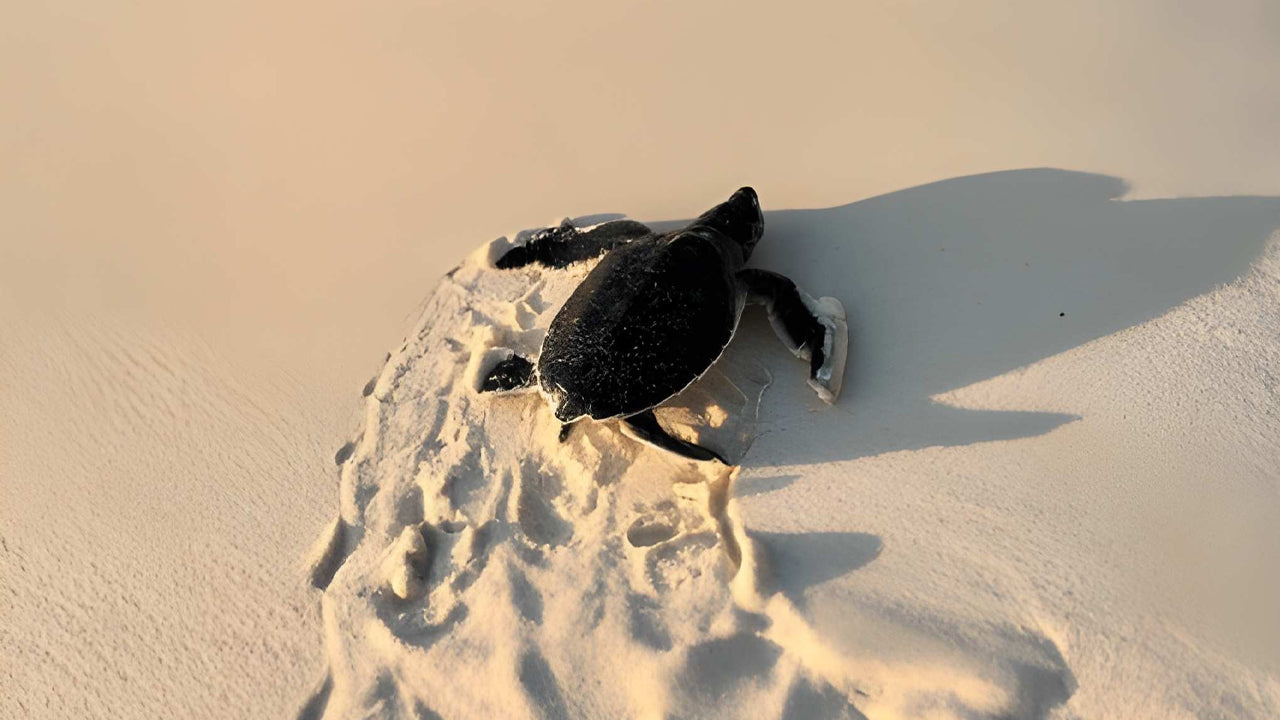
Immediately south of the resort zone, Induruwa is quieter, with a turtle hatchery open to visitors most afternoons. The beach here is narrower but far less crowded; it suits travellers who find the main Bentota strip too commercial.
Key Sights & Experiences
Bentara River Safari
The Bentara River is Bentota's most distinctive attraction and the reason many travellers choose it over other south-coast resorts. Motorised wooden boats navigate mangrove channels, passing monitor lizards, water monitors sunning on banks, a reliable population of kingfishers and bee-eaters, crocodiles in quieter sections, and occasionally otters. A standard 1.5- to 2-hour safari costs around USD 10–18 per person depending on group size and negotiation; half-day trips extending into paddy-field landscapes and small villages run USD 20–30. Operators congregate at the Aluthgama bridge and at several hotel jetties. Early morning (6–8 am) gives the best wildlife and light; midday is noticeably quieter for birds.
Water Sports
Bentota has a higher density of water-sports equipment than almost anywhere else on the island. The calm lagoon side is used for water-skiing, wake-boarding, and banana-boat rides; the ocean beach caters to windsurfing and jet-skiing. Prices are broadly standardised: jet ski 15 minutes costs LKR 4,000–6,000 (approx. USD 13–20); windsurfing lessons including equipment run USD 25–40 for 90 minutes. Operators will cluster around you on the beach — compare two or three before agreeing a price, and confirm whether quoted rates are per person or per boat.
Brief Garden
Around 4 km inland near Dharga Town, Brief Garden is a 2-hectare private estate landscaped over several decades by the painter and landscape designer Bevis Bawa (elder brother of architect Geoffrey Bawa). The garden is eccentric, personal, and genuinely unlike anything else in the region: outdoor sculpture, meandering paths through tropical planting, and a house preserved much as Bevis left it. Admission is approximately USD 5; open daily 8 am–5 pm. It can be reached by tuk-tuk from Aluthgama in 15–20 minutes.
Galapatha Raja Maha Viharaya
This ancient Buddhist temple on the southern bank of the Bentara River is one of the oldest in the Western Province, with inscriptions dating the site to the 12th century. Monks in residence, a working bo tree enclosure, and a largely local visiting congregation make it a more authentic temple visit than many coastal equivalents. Dress modestly; remove shoes at the gate.
Turtle Hatchery at Induruwa
The community-run hatchery re-buries turtle eggs collected from the beach to protect them from poachers and predators. Hatchlings are released after dark — typically between 7 and 9 pm — and visitors are welcome to attend. A small donation (LKR 500–1,000) is appropriate. Confirm timing on the day as it depends on which eggs are ready to hatch.
Food & Drink
Dining in the resort zone skews towards hotel restaurants serving international menus with Sri Lankan options at inflated prices (a main course USD 8–15). Better value and more authentic cooking is found by crossing the bridge into Aluthgama, where rice-and-curry lunch spots serve generous plates for LKR 400–700 (USD 1.50–2.50). The fish market underpins genuinely fresh seafood at restaurants within walking distance; look for places displaying the day's catch on ice outside.
Hoppers, string hoppers, and pol sambol are the breakfast staples at local eateries — worth seeking out over resort buffets. A few bakeries along the main Aluthgama street sell fresh bread and short-eats from about 7 am. Coconut water from roadside sellers is reliably good and costs LKR 100–150.
Alcohol is available in hotel restaurants and the occasional bottle shop on the main road. Licensed beach bars are limited; drinking on the beach itself is not common practice among local residents and is best kept low-key.
Where to Stay
Accommodation falls into three clear tiers. Large resort hotels occupy the best oceanfront plots on the peninsula — most built in the 1970s–1990s and extensively refurbished since — with pool, beach access, and in-house water sports. These are the most expensive option (USD 80–200+ per night) but offer convenience. Mid-range boutique guesthouses and smaller hotels cluster along the side roads off the A2 and in Aluthgama; expect USD 25–60 for a clean room with breakfast. Budget travellers find good-value guesthouses in Aluthgama itself, some within easy walking distance of the station, at USD 12–25 per night.
Families with children generally do best on the northern beach near the estuary, where the water is calmer. Couples and independent travellers often prefer the Induruwa end or the Aluthgama guesthouses for quieter surroundings and local atmosphere.
Getting There & Getting Around
By Train
The Colombo–Matara coastal railway stops at Aluthgama station (not Bentota — be aware of this when booking tickets). The journey from Colombo Fort takes 1 hr 45 min to 2 hrs 30 min depending on the service; intercity express trains are faster and bookable in advance (2nd class reserved approximately LKR 300; 3rd class LKR 170). From Galle the journey is 40–50 minutes. The train is a practical and scenic option; the coastal section south of Colombo is particularly attractive.
By Road
The Southern Expressway (E01) now reaches as far as Dodangoda Interchange, about 15 km north of Bentota, cutting driving time from Colombo to under an hour in light traffic. From the interchange, rejoin the A2 southward. Private taxis from Colombo cost USD 30–45; intercity buses on the A2 are slower but cost LKR 130–180 from Colombo Bastian Mawatha bus terminal.
Getting Around Locally
Tuk-tuks are the default local transport; a ride from Aluthgama station to the beach hotels costs LKR 200–400 depending on distance and negotiation. Bicycles are available for hire at several points on the resort strip (LKR 500–800 per day) and suit the flat terrain well. The A2 itself has heavy through traffic and is not pleasant to walk along; use the side roads where possible.
Best Time to Visit
| Month | Weather & Sea | Crowds | Verdict |
|---|---|---|---|
| Jan–Mar | Dry, sunny; sea calm | High (European winter) | Best beach conditions; book accommodation early |
| Apr | Transitional; warm | Moderate | Good value window before monsoon |
| May–Sept | South-west monsoon; rough seas, frequent rain | Low | Not ideal for beach; river safaris and gardens still work |
| Oct–Nov | Inter-monsoon; showers possible | Low–moderate | Reasonable; occasional rain |
| Dec | Dry season returns; sea settling | Rising sharply | Good but prices climb toward Christmas |
The south-west monsoon (May to September) makes ocean swimming inadvisable and water sports largely suspended, but the river remains accessible and the hinterland gardens are lush. If you are combining Bentota with the cultural triangle — Kandy, Sigiriya, or the hill country around Nuwara Eliya — a December–March beach extension makes the most sense weather-wise.
Practical Tips
- Money: The nearest ATMs are in Aluthgama; the resort strip has limited cash facilities. Carry local currency (LKR) for tuk-tuks, local restaurants, and markets. Most resort hotels accept cards but add a 3–5% surcharge.
- Connectivity: Mobile data (Dialog, Mobitel, Hutch SIM cards) works reliably throughout; pick up a tourist SIM at Colombo Bandaranaike Airport or Colombo Fort. Resort Wi-Fi is generally adequate but not always fast.
- Water-sports pricing: Quoted prices on the beach are opening figures. Gentle negotiation is expected and normal; agree the full cost and what it includes before stepping into any craft.
- Sun: The equatorial sun is intense year-round. SPF 50 sunscreen is worth bringing from home — locally available brands tend to be expensive or weak.
- Temple etiquette: Cover shoulders and knees for any temple visits; remove footwear before entering the grounds. This applies to Brief Garden's temple section as well.
- Touts: Persistent gem sellers and commission-seeking tuk-tuk drivers operate around Aluthgama station. A polite firm refusal works; do not accept guided shopping detours, as the commission structure inflates prices significantly.
- Safety: Ocean currents at the river mouth and during any swell can be hazardous. Never swim near the estuary channel where river meets sea; the competing currents are unpredictable even for strong swimmers.
Suggested Itineraries
One Day
Early-morning river safari from Aluthgama bridge (6–8 am); breakfast at a local eatery in Aluthgama; walk or tuk-tuk to the beach for mid-morning swimming and water sports; lunch at a beachside restaurant; afternoon visit to Brief Garden; return to beach for sunset; dinner in Aluthgama.
Two Days
Day one as above. Day two: morning visit to Galapatha Raja Maha Viharaya; continue south to Induruwa turtle hatchery in the afternoon (confirm timing); attend evening hatchling release. The second evening is also suited to a longer river boat excursion into the paddy landscape upstream.
Three Days
Use the third day for a day trip south to Galle (40–50 min by train), exploring the Dutch Fort, Galle's Unawatuna beach, and returning by late afternoon train. Alternatively, an early start reaches Udawalawe National Park for a morning game drive — the park is approximately 3 hours inland and elephant sightings are near-guaranteed.
Day Trips & Nearby Destinations
Galle (40 km south) is the most logical half-day excursion: the 17th-century Dutch fort, a UNESCO World Heritage Site, a compact old town of galleries, cafés, and colonial architecture. See the full Galle guide for detail.
Unawatuna (55 km) offers a sheltered bay popular with snorkellers; it combines naturally with a Galle day. Read more in the Unawatuna guide.
Mirissa (80 km) is Sri Lanka's main whale-watching departure point (November–April); blue and sperm whales are regularly sighted. The Mirissa guide covers boat timings and practicalities.
Udawalawe National Park (approximately 150 km inland) is feasible as a long day trip by private vehicle. It holds one of the highest densities of Asian elephants on the island. Details in the Udawalawe guide.
Northward, Colombo is close enough for a day return by train; see the Colombo guide if you plan to spend time in the capital before or after Bentota.