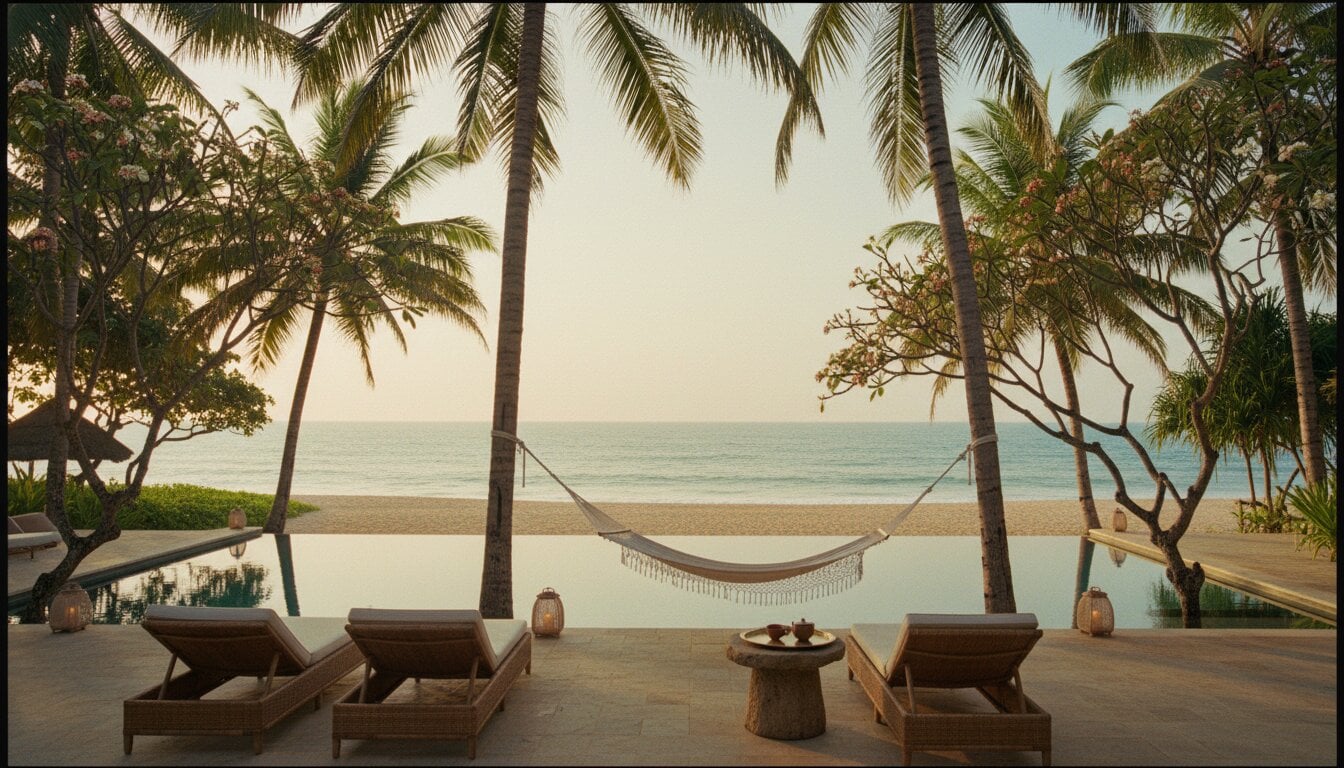
Sri Lanka has quietly established itself as one of Asia's most rewarding surf destinations. Warm water year-round, an accessible coastline, and a spread of breaks ranging from gentle beach-break rollers to serious reef slabs means surfers of every ability level can find a wave worth travelling for. The south and east coasts hold the majority of the island's surf spots, and because the two coasts face opposite directions, Sri Lanka effectively offers two distinct surf seasons — making it possible to chase swell here at almost any time of year.
When is the best time to surf in Sri Lanka?
Timing depends entirely on which coast you plan to surf. The southwest monsoon (May to October) drives reliable swell to the east coast, making Arugam Bay and Pottuvil the go-to destinations during those months. The northeast monsoon (November to April) switches the action to the south and west coasts, lighting up breaks from Weligama through to Hikkaduwa and beyond.
- East coast season: May to October — Arugam Bay, Whiskey Point, Pottuvil Point, Okanda
- South coast season: November to April — Weligama, Hikkaduwa, Midigama, Hiriketiya, Mirissa, Matara
The shoulder months on either coast (April–May and October–November) can produce clean, uncrowded conditions as swells transition, but weather can be unpredictable.
What are the best surf spots on Sri Lanka's east coast?
The east coast is anchored by Arugam Bay, one of the most celebrated right-hand point breaks in Asia. Long, peeling waves break over a sandy bottom, and on a good day a ride can carry you well over 200 metres. The bay suits surfers of all levels at its main point, while nearby spots demand more experience.
- Arugam Bay (Main Point) — Right point-break, all levels. The classic introduction to east-coast surfing.
- Pottuvil Point — Right point-break, experienced surfers. A longer, more powerful version of the bay's main wave, best at mid-to-high tide.
- Whiskey Point — Right point-break, all levels. A mellower option a few kilometres north, popular with beginners and intermediate surfers.
- Peanuts Farm — Right point-break, all levels. Consistent and uncrowded by Arugam Bay standards.
- Okanda — Right point-break, experienced surfers. Remote and powerful; the journey to reach it through the national park buffer zone is part of the appeal.
What are the best surf spots on Sri Lanka's south coast?
The south coast stretches from the colonial port city of Galle eastward through a near-continuous string of villages, each with its own break. This coast is where most visiting surfers spend the northern hemisphere winter.
Beginner and intermediate breaks
- Weligama — Right and left beach-break. Wide, forgiving bay with consistent white-water; the single best place in Sri Lanka to learn.
- Matara — Right sand-bar break, all levels. Reliable and accessible directly off the main southern highway.
- Mirissa — Right reef-coral, all levels. A short paddle from the beach; works best at low to mid-tide.
- Hikkaduwa — Right and left reef-coral, all levels. Sri Lanka's most established surf town, with a wide reef that handles a range of swell sizes. Sea turtles are a regular sight in the water here.
- Unawatuna (Dewella) — Right and left reef-coral, all levels.
- GD's — Right and left beach-break, all levels.
- Midigama Left (Market) — Left point-break, all levels. A long, walling left that rewards surfers willing to walk the point.
- Hiriketiya — Left point-break, all levels. A horseshoe-shaped bay that has emerged as one of the south coast's most talked-about spots; works in a range of conditions.
- Rockside Induruwa — Right and left reef-rocky, all levels.
- South Beach — Right and left reef-rocky, all levels.
- Thalpe — Right and left reef-rocky, all levels.
- Elephant Rock — Right point-break, all levels.
- The Rock — Right point-break, all levels.
- Owerkanda — Left reef-coral, all levels.
- Thalyadi — Right and left reef-coral, all levels.
Experienced and advanced breaks
- Midigama Right — Right reef-rocky, experienced surfers. Hollow and fast; can deliver short, punchy barrels on the right swell.
- Dalawella — Right and left reef-coral, experienced surfers.
- Devils Rock — Left reef-rocky, experienced surfers.
- Gaza Strip — Left reef-rocky, experienced surfers. Shallow and unforgiving; the name is not ironic.
- Koggala Lefts — Left reef-coral, experienced surfers.
- Kingfisher — Right and left beach-break, experienced surfers.
- Madiha — Left reef-coral, experienced surfers.
- Main Point — Right reef-coral, experienced surfers.
- Plantations — Right and left reef-rocky, experienced surfers.
- Lamana Point — Right and left reef-coral, experienced surfers.
- Local's Point — Right and left reef-coral, experienced surfers. Respect local surfers in the water here.
- Bennys — Left reef-coral, experienced surfers.
- Dewata, Galle — Right and left point-break, all surfers. A more sheltered option close to the Galle Fort area.
- Coral Garden — Right and left reef-rocky, pros or advanced only. Extremely shallow at low tide; reef injuries are common for the unprepared.
What type of waves will I find in Sri Lanka?
Sri Lanka's wave menu is broader than most people expect. Point breaks dominate the east coast and parts of the south, rewarding surfers who can read a peeling face and execute clean turns across a long section. Reef breaks — both coral and rocky — make up the majority of south-coast spots and range from mellow rollers to fast, hollow waves that demand precision. Beach and sand-bar breaks are fewer but offer the most forgiving conditions for beginners and those working on progression.
| Wave Type | Typical Feel | Best For | Example Spots |
|---|---|---|---|
| Point-break | Long, peeling, consistent direction | All levels (varies by spot) | Arugam Bay, Hiriketiya, Pottuvil |
| Reef-coral | Hollow to mellow depending on depth | Intermediate to advanced | Hikkaduwa, Mirissa, Dalawella |
| Reef-rocky | Fast, punchy, uneven take-off zone | Experienced surfers | Coral Garden, Gaza Strip, Devils Rock |
| Beach/Sand-bar | Shifting peaks, softer wipe-outs | Beginners and intermediates | Weligama, GD's, Matara |
How do I get to Sri Lanka's surf spots from Colombo?
Colombo sits on the west coast and serves as the main arrival hub. The south-coast surf belt — starting around Bentota and running through to Arugam Bay — is accessible by road, train, or a mix of both. Weligama and Hikkaduwa are roughly 130–145 km south of the city along the Southern Expressway, a journey of around two hours by private transfer. Arugam Bay on the east coast is approximately 320 km from Colombo, typically four to five hours by road via Wellawaya or Monaragala.
For flexible travel between breaks, a private driver familiar with the coastal roads makes a genuine difference — particularly when you want to road-trip from one surf zone to another mid-trip.
Is Sri Lanka good for beginner surfers?
Several spots are well suited to learning. Weligama Bay is the most popular choice: its wide, sandy-bottomed bay produces consistent white-water and smaller reforms that allow beginners to find their footing without the hazard of shallow reef. Hikkaduwa's inner reef section also works well for those taking their first lessons, and the town has a long-established network of surf schools and board rental outfits. Whiskey Point near Arugam Bay is the east coast's gentlest option for newcomers during the May-to-October season.
Avoid reef breaks at low tide until you are comfortable reading conditions. A reef rash is a quick way to cut a surf trip short.
What else can I do near Sri Lanka's surf spots?
Surf towns on the south coast sit close to a range of other experiences. The Madu River Safari departs from Balapitiya, less than an hour's drive north of Hikkaduwa, and weaves through mangrove islands on a motorised boat. The Koggala Sea Turtle Conservation Project is a short ride from Midigama and Hikkaduwa, giving surfers a chance to learn about and contribute to marine conservation on the same coastline they are surfing. For those spending time around Arugam Bay, the elephants of Udawalawe National Park are within half a day's drive inland.
Nearby places
8 places within about 25 km, nearest first.
- Monaragala District3 km
- Monaragala Town4 km
- Moneragala District4 km
- Kiriibban Wewa10 km
- Buttala13 km
- Namunukula18 km
- Okkampitiya19 km
- Adawatte Tea Estate21 km
Related reading
7 pages on closely related subjects.