Kiriibban Wewa (කිරිඉබ්බන් වැව) is one of the many ancient irrigation tanks scattered across Moneragala District in Sri Lanka's Uva Province. While less well-known than the grand reservoirs of the Cultural Triangle, it represents a quiet but important strand in the country's long tradition of hydraulic engineering — a tradition stretching back more than two thousand years. Like the other 1,600-plus tanks across the island, Kiriibban Wewa was built to capture and distribute rainwater for agriculture in an otherwise dry landscape.
Where is Kiriibban Wewa?
The tank sits within Moneragala District, the largest district by area in Uva Province and one of the least densely populated parts of Sri Lanka. Uva Province shares borders with the Eastern, Southern, and Central provinces, giving it a geographically transitional character — dry lowland plains to the south and east, cooler highlands towards the west. The provincial capital is Badulla, and the two districts that make up the province — Badulla and Moneragala — together contain a remarkable range of ecosystems.
Moneragala itself is flanked by several of Sri Lanka's most important protected areas. Udawalawe National Park, best known for its resident elephant herds, lies to the southwest. Yala National Park and the less-visited Gal Oya National Park are also accessible from the district. This concentration of wildlife reserves makes the wider area a worthwhile destination for nature-focused travellers who venture off the main tourist circuit.
What is the significance of wewa (tank) culture in Sri Lanka?
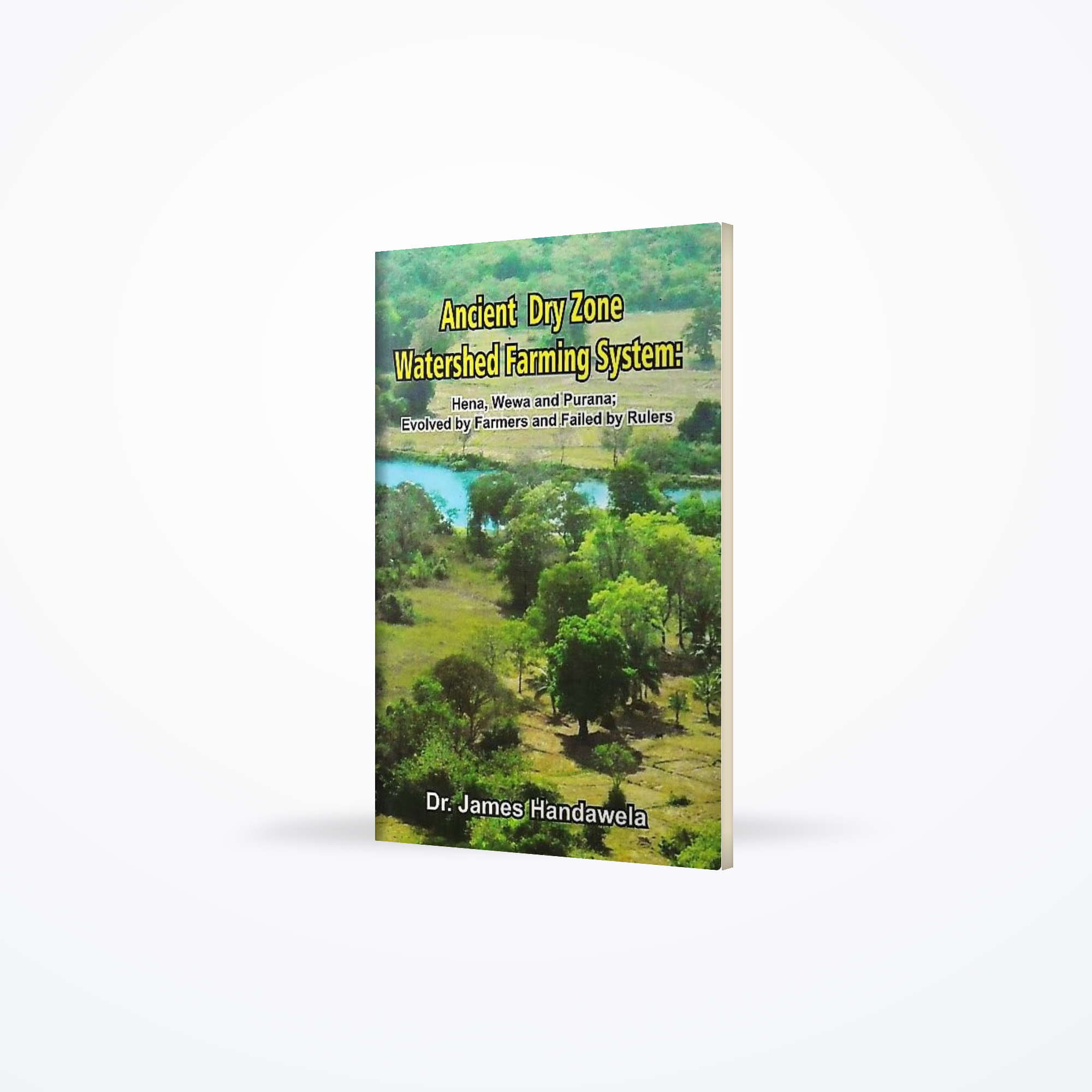
The word wewa simply means reservoir or tank in Sinhala, and these artificial lakes are fundamental to rural life across Sri Lanka's dry zone. Ancient kings commissioned vast networks of tanks, sluices, and canals to irrigate paddy fields and sustain large populations through dry seasons. The system was so sophisticated that some tanks built over a thousand years ago remain in use today.
Kiriibban Wewa belongs to this legacy. Smaller tanks like this one were typically community-managed, serving the paddy cultivation and domestic water needs of nearby villages. They also function as incidental wildlife corridors, attracting waterbirds, freshwater fish, crocodiles, and elephants — particularly during dry months when water sources in the surrounding scrubland shrink. This quiet ecological role gives even modest tanks a value beyond their agricultural purpose.
What wildlife can be found around Kiriibban Wewa?
The tank and its surrounding scrub forest create a localised wetland habitat typical of the dry zone. Visitors patient enough to wait quietly at the water's edge may spot painted storks, purple herons, and various kingfisher species working the shallows. Mugger crocodiles are known to inhabit tanks throughout this part of Moneragala District, and elephants sometimes visit at dusk or dawn in search of water and grazing. The crocodile watching opportunities in Sri Lanka's tank country are underrated, offering close observation of these reptiles in their natural setting.
The broader Moneragala landscape is dominated by chena (slash-and-burn) cultivation, teak and eucalyptus plantations, and patches of dry-zone forest. Bird diversity is high even outside the protected reserves, and the district is increasingly recognised among birdwatchers as a productive destination outside the main circuits.
What rivers and waterways flow through Moneragala District?
Moneragala District is drained by several rivers that eventually reach the south and east coasts. The Menik Ganga, Gal Oya, Heda Oya, Wila Oya, and Kumbukkan Oya all rise or pass through the district, feeding both natural wetlands and irrigation structures like Kiriibban Wewa. These rivers also support riparian forests that serve as wildlife corridors between protected areas. The Muthukandiya Reservoirs, another notable water body in the district, further illustrate the density of water infrastructure in this region.
What can visitors see in Uva Province beyond Kiriibban Wewa?
Uva Province rewards travellers willing to explore. The hill town of Ella, in the Badulla district portion of the province, has become a popular base for hiking, waterfall walks, and train journeys through tea country. Namunukula, the tallest peak in the mountain range surrounding Badulla town, offers clear-day panoramas stretching from the Welimada basin to the coast near Kataragama and Hambantota. Sunrise and sunset from Namunukula are reportedly spectacular, though the hike requires reasonable fitness and a local guide.
The Horton Plains National Park, located on the province's western edge, is one of Sri Lanka's most visited national parks, known for World's End — a sheer escarpment with a drop of around 870 metres — and for its montane grassland ecosystem. The contrast between Horton Plains' cool, misty plateau and Moneragala's hot, dry lowlands demonstrates just how varied Uva Province's terrain is.
Rawanagala, a dramatic rock outcrop near Ratnapura that sits on the boundary of Uva and Sabaragamuwa provinces, is worth noting for those touring this part of the island. Rawanagala offers a challenging but rewarding climb and sweeping views across the surrounding forest.
How do I get to Moneragala District from Colombo?
Moneragala town is roughly 230 kilometres from Colombo by road. The most practical route follows the Southern Expressway towards Matara and then cuts northeast, or heads via Ratnapura and then south through the hill country. Journey times by car typically range from four to five hours depending on the route and traffic. Public buses connect Colombo to Moneragala, though journey times are longer. There is no direct rail connection to Moneragala town itself; the nearest railway stations are at Badulla and along the Southern line. A private transfer arranged in advance is generally the most comfortable and time-efficient option for visitors unfamiliar with the route.
When is the best time to visit Kiriibban Wewa and Moneragala District?
The dry season from May to September is generally the most rewarding time for wildlife observation around tanks and waterways in Moneragala District. During this period, water levels in smaller reservoirs drop, concentrating animals around remaining water sources and making sightings more predictable. The northeast monsoon brings rain to the district between October and January, which can make some rural roads challenging but also brings a green flush to the landscape and replenishes the tanks for the following dry season. Temperatures in the lowlands around Moneragala are warm throughout the year, so lightweight, breathable clothing and sun protection are advisable on any visit.
Nearby places
8 places within about 25 km, nearest first.
- Namunukula9 km
- Surf spots10 km
- Buttala10 km
- Monaragala Town11 km
- Monaragala District11 km
- Moneragala District11 km
- Adawatte Tea Estate13 km
- Ellawala Falls17 km
Related reading
8 pages on closely related subjects.