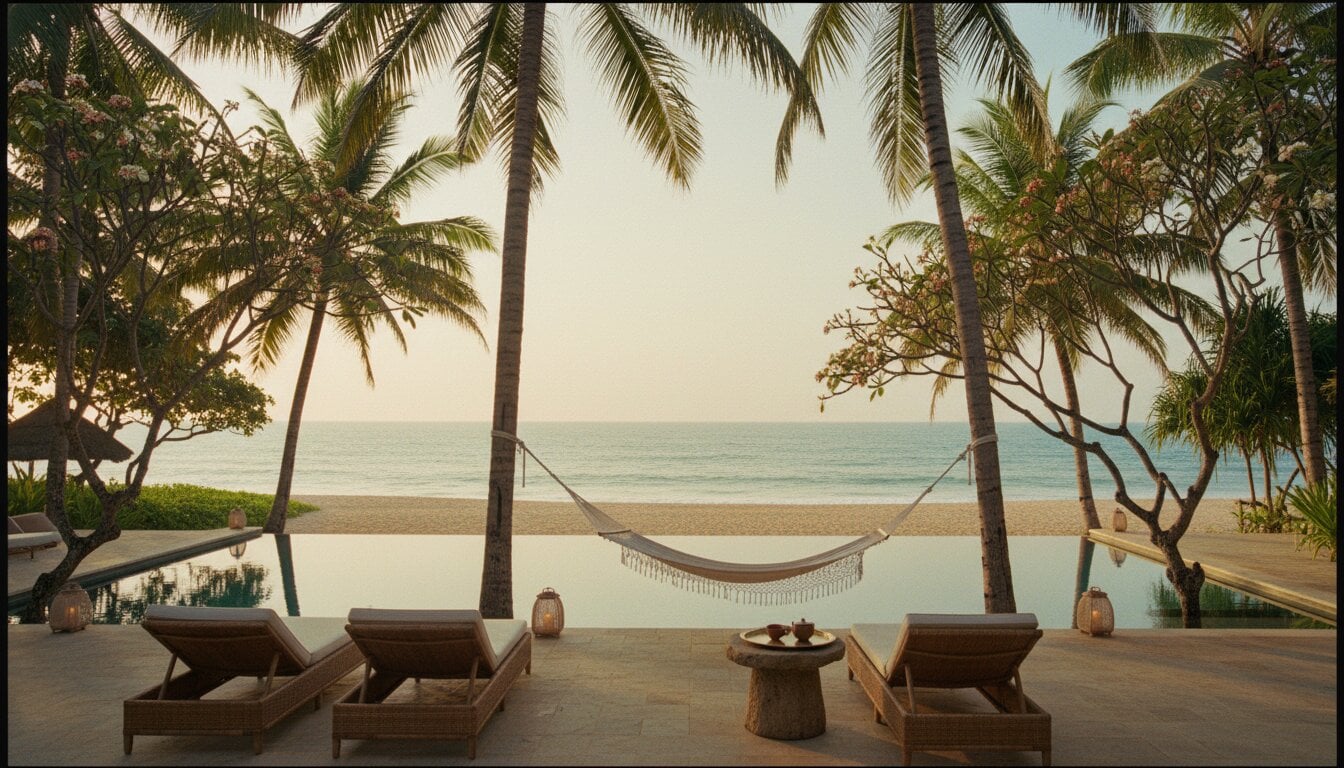
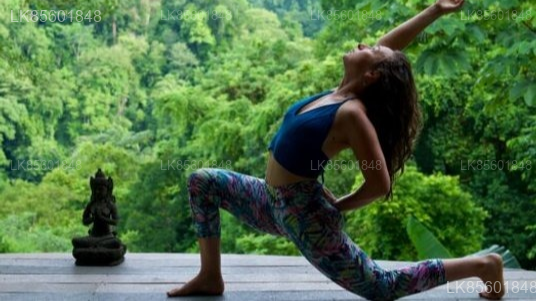
Sri Lanka has emerged as one of Asia's most compelling destinations for travellers who want more than a single-note holiday. Along its southern and eastern coastlines, a growing network of surf and yoga camps delivers exactly that: mornings spent reading waves, evenings spent unwinding on the mat, and afternoons open for everything the island has to offer. The formula works because the geography supports both disciplines almost perfectly — consistent Indian Ocean swells from November to April on the south and west coasts, and from May to October on the east.
Where are the best surf and yoga camps in Sri Lanka?
Four coastal towns have established themselves as the country's surf-and-yoga heartland, each with a distinct character.
- Weligama — A wide, gently shelving bay with slow, forgiving waves. Widely regarded as Sri Lanka's best beginner surf destination, and home to several well-run camps with dedicated yoga shalas.
- Hikkaduwa — A longer-established surf scene with reef breaks that suit intermediate riders. Yoga studios here tend to be more studio-style than beach-side, reflecting the town's slightly more developed tourism infrastructure.
- Hiriketiya — A horseshoe cove south of Dickwella that has become a favourite among experienced surfers for its consistent bowl wave. The camp scene is newer and leans boutique.
- Arugam Bay — Sri Lanka's east-coast surf capital, open May to October when the southern coast is flat. The point break here is one of the most celebrated in Asia, and the laid-back village atmosphere suits longer stays.
If windsurfing or kitesurfing appeals alongside yoga, yoga-focused itineraries can also be built around the lagoons of Kalpitiya on the northwest coast, where flat water and steady winds create ideal conditions for board sports from November through April.
What does a typical surf and yoga camp day look like?
Schedules vary by camp, but most follow a rhythm that reflects the tides and the heat of the day.
- Sunrise yoga — A 60–90 minute session before breakfast, typically held on a beach platform or open-air shala. Most camps offer Hatha or Vinyasa styles, with props available for beginners.
- Morning surf lesson — The coolest, least crowded time to be in the water. Instructors cover ocean safety, paddling technique, and pop-up mechanics before moving into the water. Group sizes are usually kept small.
- Midday rest and meals — Camps lean heavily on fresh Sri Lankan produce: tropical fruit, coconut-based curries, and rice dishes, often sourced from local markets or smallholdings.
- Afternoon free surf or guided excursion — Experienced surfers head back out; beginners often explore nearby villages, visit a turtle hatchery such as the Hikkaduwa Turtle Hatchery, or take a boat trip on a mangrove river.
- Sunset yoga or meditation — A shorter restorative or yin session that helps the body recover from the physical demands of surfing.
What skill level do I need to join a surf and yoga camp?
Most camps in Sri Lanka explicitly welcome beginners to both surfing and yoga. Surf instructors are accustomed to working with people who have never stood on a board; lessons typically start on the sand, covering stance, balance, and reading whitewater before anyone enters the ocean. For yoga, all levels are accommodated — camps generally offer modifications for each posture so that complete newcomers and regular practitioners can share the same class.
Intermediate and advanced surfers are equally well served. Weligama, Hikkaduwa, and Arugam Bay all have breaks that scale in difficulty, and experienced coaches can accompany surfers to reef and point breaks beyond the main beginner zones. Some camps offer video analysis sessions where surf footage is reviewed at the end of the day, giving riders concrete feedback on their technique.
How does yoga complement surfing?
Surfing places unusual demands on the body: paddling builds shoulder and back fatigue, while the pop-up and riding stance require hip flexibility and core stability. Yoga addresses each of these directly. Hip-opening sequences improve the rider's centre of gravity on the board; shoulder and chest work counters the forward-hunched posture that develops after long paddle sessions; and breath-focused practices translate into calmer decision-making when reading waves under pressure.
Beyond the physical, meditation and pranayama (breathing exercises) introduced at many camps carry benefits that outlast the holiday itself. Participants often report improved sleep quality and a lower baseline stress level within the first few days of a combined programme — a result of the nervous system settling into a clear daily rhythm of exertion and recovery.
What should I pack for a surf and yoga camp in Sri Lanka?
- Rash guard or long-sleeved surf shirt — sun protection matters more than most first-timers expect on the equator
- Reef-safe sunscreen — many camps request or require it to protect marine ecosystems
- Yoga mat (optional — most camps provide them, but your own mat is more hygienic for longer stays)
- Lightweight, quick-dry clothing — humidity on the coast is high year-round
- Reusable water bottle — camps increasingly provide filtered water stations to cut plastic use
- A light layer for early-morning yoga sessions, particularly in the hills if you plan to extend your trip inland
Equipment such as surfboards, leashes, and wetsuits (rarely needed given Sri Lanka's warm water, though useful for extended sessions) is provided by virtually every camp as part of the programme fee.
When is the best time for surf and yoga camps in Sri Lanka?
Sri Lanka's dual monsoon system means there is always a surfable coast, regardless of the time of year.
| Coast | Best surf season | Key locations |
|---|---|---|
| South & West | November – April | Weligama, Hiriketiya, Hikkaduwa |
| East | May – October | Arugam Bay, Pottuvil |
Experienced travellers sometimes base themselves on the south coast from November through March, then migrate to Arugam Bay for the eastern season — a pattern that allows for six or more months of consecutive surf in a single year. Yoga, of course, is available year-round at all locations regardless of swell conditions.
What responsible tourism practices do camps follow?
The surf and yoga camp community in Sri Lanka has been among the more proactive segments of the tourism industry when it comes to sustainability. Common practices include sourcing meals from local farmers and fishers, running regular beach clean-up mornings that guests are invited to join, using solar or low-energy water heating, and avoiding single-use plastics at the camp level. Some camps also partner with marine research organisations and contribute a portion of programme fees to coral reef monitoring projects.
Guests who want to extend this ethos beyond the camp can combine their stay with a visit to Kosgoda Sea Turtle Conservation Project, where hatchling release programmes run year-round on the south coast, or take a morning excursion on a mangrove waterway such as the Madu River Safari near Balapitiya — a compelling counterpoint to time spent in the ocean itself.
How do I get to a surf and yoga camp from Colombo?
Weligama and Hikkaduwa are both reachable from Colombo in roughly two to three hours by road, depending on traffic, or by train on the Coastal Railway Line — one of Sri Lanka's most scenic rail journeys. Arugam Bay on the east coast is a longer transfer of around six to seven hours by road from Colombo, often broken with a stop in the hill country. Lakpura can arrange private transfers from Bandaranaike International Airport directly to any camp, removing the uncertainty of navigating connections on arrival day.
Related reading
7 pages on closely related subjects.