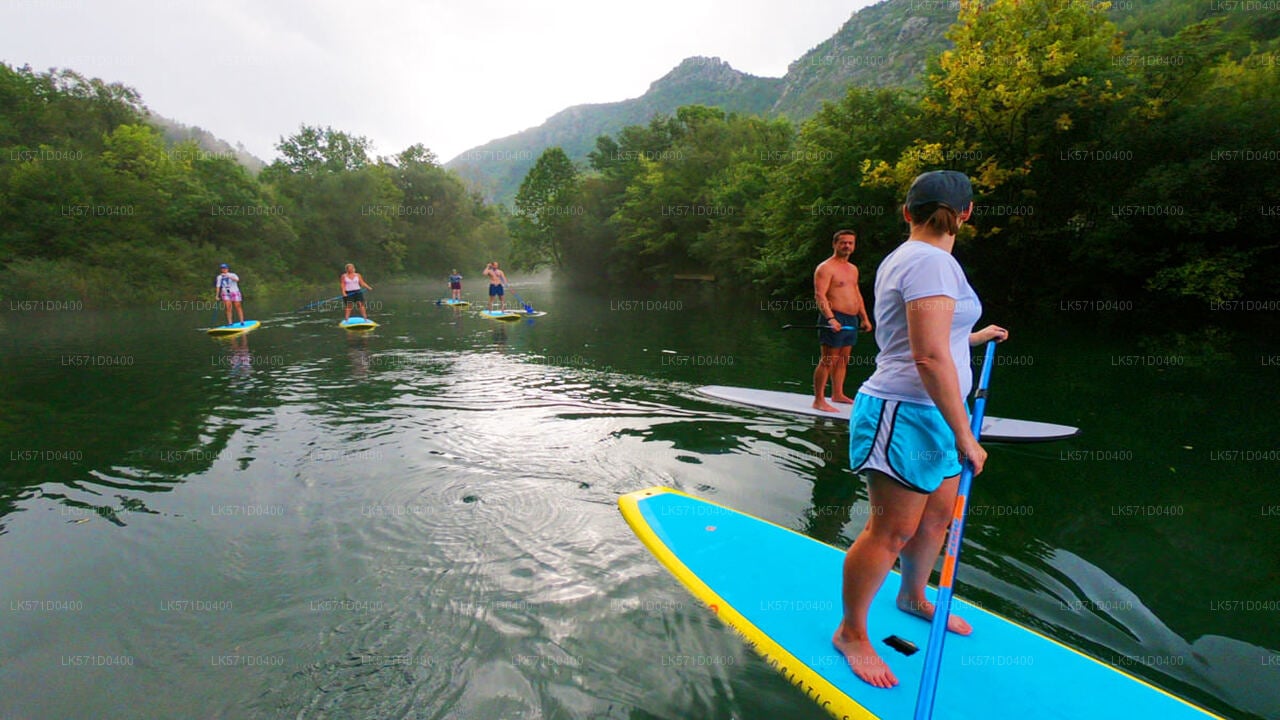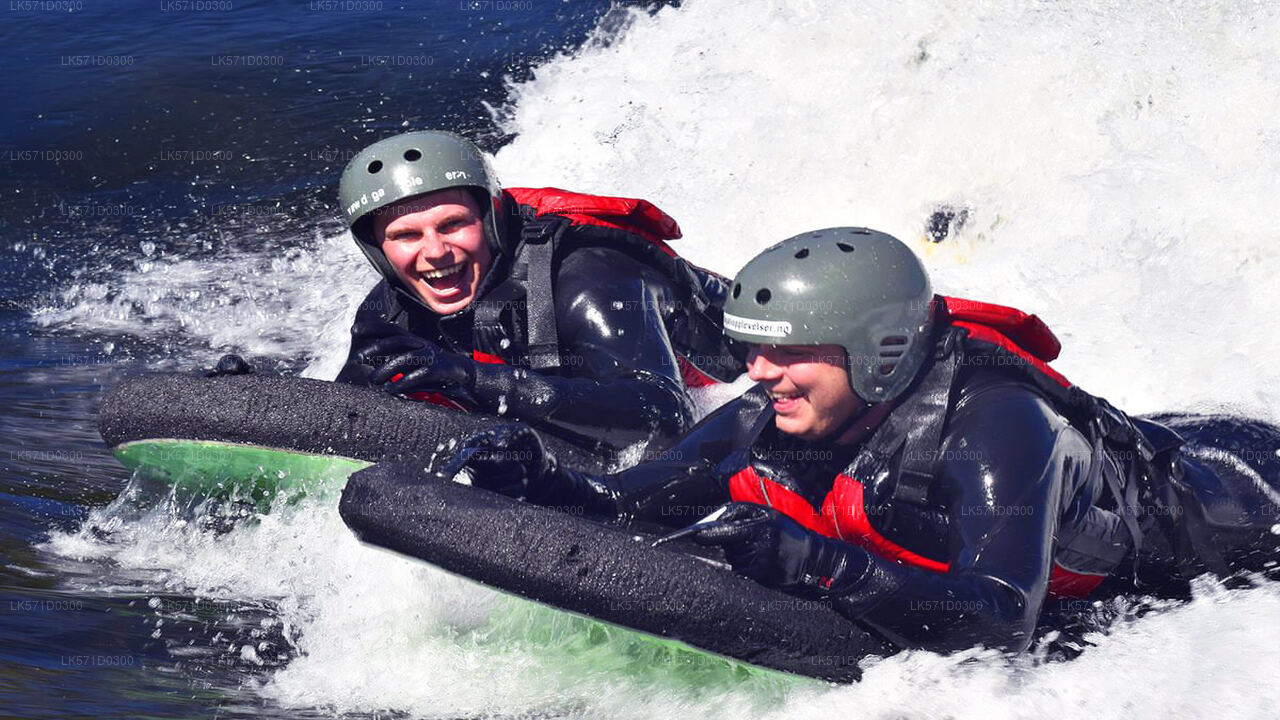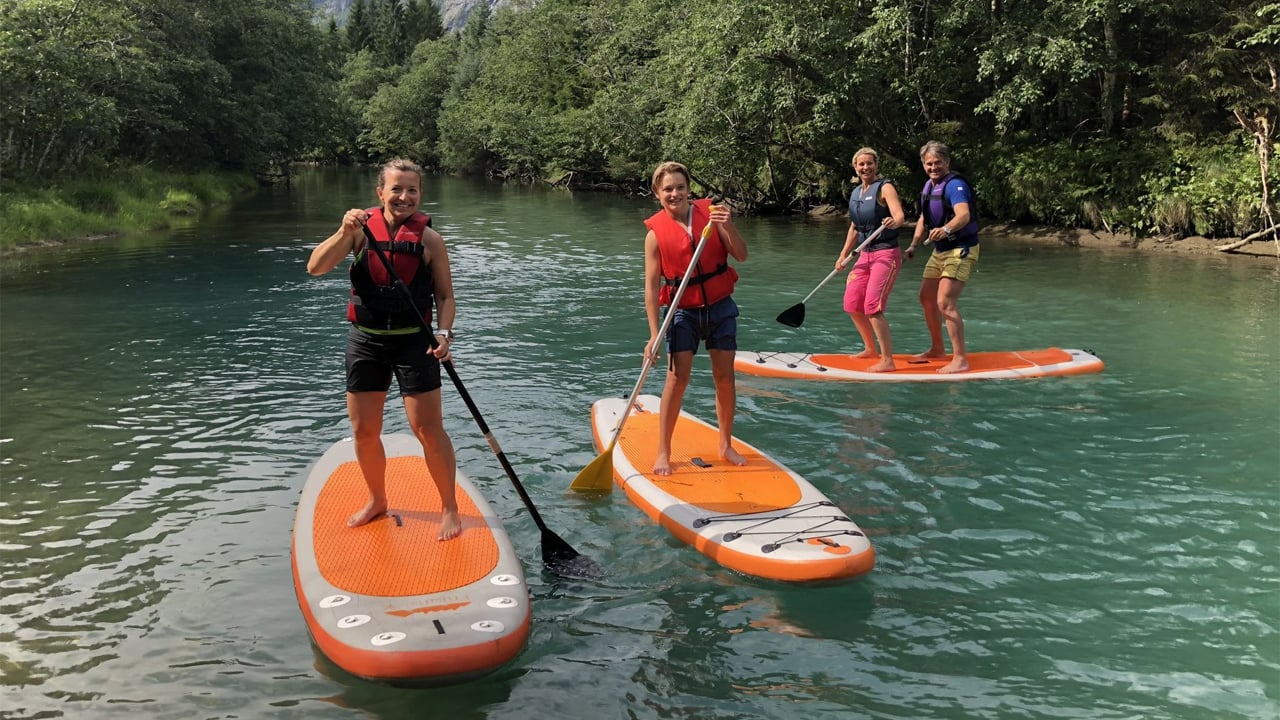


Stand up paddle boarding (SUP) has found a natural home in Sri Lanka. The island's geography — a long coastline, sheltered lagoons, slow rivers, and inland lakes — provides conditions that suit every level of paddler, from someone stepping onto a board for the first time to an experienced athlete looking for a technical river challenge. The activity asks little of you physically to get started, yet rewards sustained practice with real fitness gains and a genuinely different way of moving through a landscape.
Where can you go stand up paddle boarding in Sri Lanka?
Sri Lanka's water venues divide broadly into coastal and inland settings, each offering a distinct mood and difficulty level.
Coastal and lagoon paddling
- Bentota — The Bentota River estuary is calm, protected from ocean swell, and flanked by mangroves. It is one of the most popular beginner venues on the west coast.
- Negombo Lagoon — A large, shallow lagoon north of Colombo. Early mornings here are quiet and the light is excellent for birdwatching from the board.
- Koggala Lagoon — Near Galle on the south coast, this mangrove-fringed lagoon rewards slow, exploratory paddling. Stilt fishermen are occasionally visible in the distance.
- Mirissa — Suited to confident beginners on calm days. The small bay offers sheltered water close to the beach, with reef snorkelling reachable by board when conditions allow.
- Hikkaduwa — The lagoon-side channels around Hikkaduwa provide flat-water alternatives to the surf beach directly in front of the town.
Inland lakes and rivers
- Bolgoda Lake — Sri Lanka's largest natural lake system, located south of Colombo. The still, dark water reflects the surrounding palms and is ideal for longer, meditative paddling sessions.
- Kitulgala — Set in the wet-zone foothills, the Kelani River at Kitulgala offers a more dynamic experience. Sections of flat water sit alongside mild rapids, and the river runs through dense rainforest. This is also the starting point for dedicated paddle boarding excursions organised by activity centres in the area.
When is the best time to go paddle boarding in Sri Lanka?
Because Sri Lanka has two distinct monsoon seasons affecting different coastlines, the ideal window depends on where you plan to paddle.
| Region | Best months | Conditions to avoid |
|---|---|---|
| West & south coasts (Bentota, Mirissa, Hikkaduwa, Koggala) | November to April | May to September — southwest monsoon brings strong winds and swell |
| East coast | May to September | October to January — northeast monsoon |
| Inland (Kitulgala, Bolgoda) | Year-round, though January to March is most reliable | Peak monsoon months raise river levels significantly at Kitulgala |
Within any given day, early morning sessions — typically starting around sunrise — offer the calmest water and the lowest wind. Sunset paddles are popular for atmosphere, though light fades quickly near the equator so guides typically keep them short.
What fitness level do you need for SUP in Sri Lanka?
Flat-water paddle boarding requires no prior experience and a basic level of balance. Most rental operators at coastal venues provide a short briefing before you head out, covering stance, paddle grip, and how to recover from a fall. Children from around eight years old can typically manage a board with adult supervision, and the low-impact nature of calm-water paddling makes it accessible to older travellers as well.
River paddle boarding at a location such as Kitulgala is a step up. Moving water demands quicker reactions and better core stability. Activity centres there usually require participants to be confident swimmers and may set minimum age or weight requirements. Always check with the operator before booking.
What are the health and wellness benefits of paddle boarding?
SUP is a full-body workout with a deceptively gentle feel. Maintaining balance on the board continuously engages the core, glutes, and stabilising muscles in the lower back and ankles. The paddle stroke works shoulders, arms, and the upper back. Unlike running or cycling, the soft resistance of water means very low impact on joints.
The wellness dimension extends beyond the physical. Paddling on still water — particularly in the early morning, when mist sits on a lagoon — is genuinely calming. Some operators along the south coast and around Bolgoda Lake offer combined SUP and yoga sessions, positioning the board as a floating platform for gentle stretching and breathwork after the paddle. These sessions are best suited to calm, sheltered water where there is no current or boat traffic.
How does SUP fit with eco-friendly tourism in Sri Lanka?
Paddle boarding is non-motorised and almost silent, which makes it one of the least disruptive ways to move through sensitive coastal and inland habitats. In Sri Lanka's mangrove estuaries, this matters: boat engines disturb nesting birds and stir sediment in shallow channels. On a SUP board, it is possible to glide within a few metres of a kingfisher or monitor lizard without causing alarm.
Responsible operators brief paddlers on how to avoid standing on coral, not to feed wildlife, and how to handle waste on the water. When choosing a provider, look for those who actively limit group sizes in ecologically sensitive areas and who carry all litter back to shore.
What equipment do you need, and can you rent it in Sri Lanka?
The core equipment is a board, a paddle, and a personal flotation device (PFD). For calm coastal and lagoon paddling, an inflatable SUP board is common — it travels easily, is soft if you fall on it, and performs well in flat water. For river use, a harder epoxy or composite board gives more responsiveness in current.
Equipment rental is available at most established coastal water sports centres, particularly in Bentota, Hikkaduwa, and Mirissa. Kitulgala-based activity centres include boards and safety gear as part of their packaged excursions. If you plan to paddle independently at multiple locations, bringing your own inflatable board is practical, though the island's domestic airlines and bus networks make large board bags awkward to transport.
Is stand up paddle boarding safe in Sri Lanka?
On sheltered lagoons and calm coastal bays, SUP carries a low risk profile when basic precautions are observed: wear a leash connecting you to the board, use a PFD in unfamiliar water, and avoid paddling during or immediately after heavy rain (which can rapidly raise river levels and introduce debris). Sri Lanka's ocean-facing coasts have strong rip currents in some areas — particularly on the south and west coasts during the off-season — so local knowledge matters before paddling in open-coast conditions.
For river paddle boarding, always use a reputable operator who provides safety briefings, helmets where appropriate, and trained guides. The Kelani River at Kitulgala is well managed by established activity centres, and their safety records are generally good, but independent paddling on unfamiliar rivers is not advisable for visitors without local experience.
Related reading
4 pages on closely related subjects.