Sri Lanka's rivers cut through some of the island's most rewarding terrain: dense rainforest, rubber and tea estates, and steep valleys that channel mountain runoff into exhilarating rapids. Whether you want to shoot Grade III–IV white-water or paddle quietly through mangrove corridors, the island offers a range of river experiences that go well beyond the average beach holiday.
What river adventures are available in Sri Lanka?
The most popular activities on Sri Lanka's rivers include white-water rafting, river boarding, kayaking, canoeing, and tubing. Each activity suits a different comfort level, so first-timers and experienced paddlers can both find something rewarding.
- White-water rafting — navigating multi-person inflatable rafts through graded rapids, typically with a guide on board
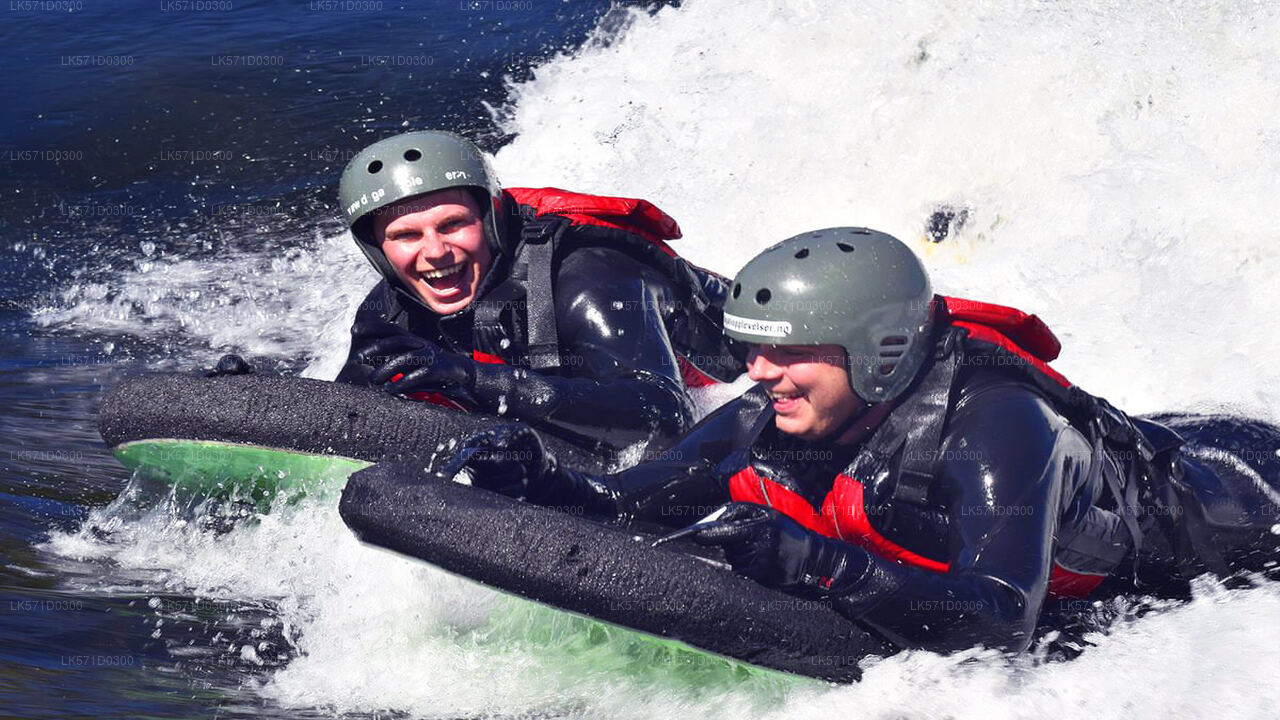
- River boarding — riding a foam bodyboard headfirst through rapids, giving a lower, faster perspective on the water
- Kayaking and canoeing — self-powered craft suited to both calm stretches and moderate rapids
- River safaris — slow-paced boat journeys focused on mangroves, birdlife, and crocodile watching rather than adrenaline
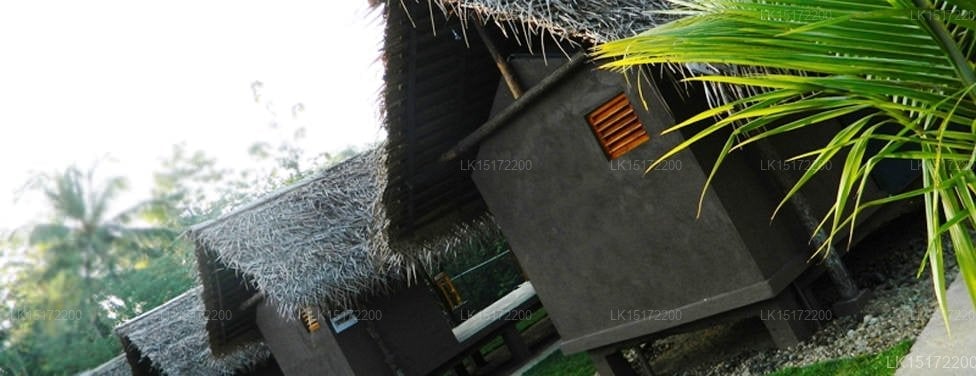
Many operators combine a river session with jungle trekking, waterfall visits, or a night of riverside camping, turning a half-day activity into a fuller eco-adventure.
Which rivers in Sri Lanka are best for adventure activities?
Three rivers dominate the adventure itinerary, each with a distinct character.
| River | Key activity | Best suited for | Nearest town |
|---|---|---|---|
| Kelani River (Kithulgala section) | White-water rafting, river boarding | Beginners to intermediate | Kithulgala |
| Kelani River (upper reaches) | Kayaking, canoeing | All levels | Karawanella |
| Walawe River | Riverside camping, canoeing | Families, nature-focused travellers | Udawalawe |
| Madu Ganga | Mangrove boat safari | Wildlife watchers, relaxed pace | Balapitiya |
White-water rafting in Kithulgala — what should I expect?
Kithulgala, roughly two hours east of Colombo, is the island's undisputed centre for white-water action. The Kelani River here carries enough volume year-round to sustain good rapids, with most commercial routes covering around five kilometres of water. Expect a mix of pool-drop sections where calmer pools separate distinct rapids — ideal for regrouping and enjoying the forest scenery between runs.
The surrounding area is part of the wet zone, so the vegetation is dense and the air cool. The Makandawa Rainforest borders the river in sections, and birdwatchers often spot endemic species from the raft. The film Bridge on the River Kwai was shot along this stretch in 1957, and remnants of the bridge set are still visible near the put-in point.
Rafting sessions typically last two to three hours on the water. Guides brief participants on paddle commands and safety procedures before launch, and life jackets and helmets are standard equipment with reputable operators.
What is river boarding and how does it differ from rafting?
River boarding (also called hydrospeed) replaces the shared raft with an individual foam board. You lie prone, fins on your feet, and use your body to steer through the same rapids a rafter would navigate seated. The experience is more physically demanding and delivers a closer, faster encounter with the water. It is generally recommended for confident swimmers with at least some whitewater experience. Kithulgala is the primary location in Sri Lanka where river boarding is offered commercially.
Can families with children do river activities in Sri Lanka?
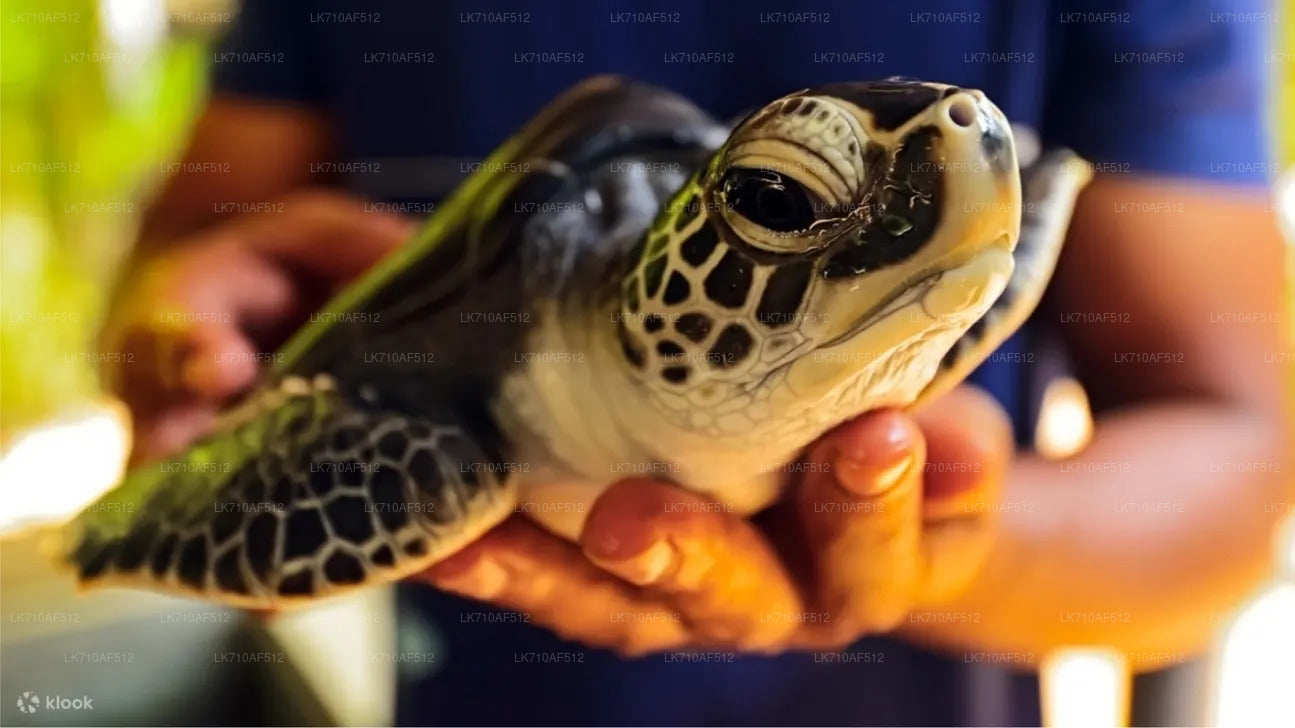
Yes, with the right choice of activity and operator. Rafting on the Kelani's milder sections is considered suitable for children above a minimum age set by each operator — typically around twelve years, though this varies. Kayaking and canoeing on flat or slow-moving sections of the Kelani or Walawe suit younger children well. River safaris on the Madu River are calm and family-friendly, combining mangrove exploration with visits to a cinnamon island and, sometimes, a turtle hatchery stop on the return.
Always confirm the operator's age and weight requirements before booking, and check that safety briefings are conducted in a language you understand.
When is the best time for river adventures in Sri Lanka?
Sri Lanka's river activity calendar is shaped by two monsoons. The west-coast rivers — including the Kelani — receive the bulk of their rainfall from the south-west monsoon (May to September). Higher water levels during this period mean faster, fuller rapids, which experienced paddlers often prefer. The months just after the rains ease — roughly October to December — strike a good balance of volume and access.
For the dry-zone Walawe and eastern rivers, the north-east monsoon (October to January) keeps water levels healthy, while the main dry season (February to September) offers easier logistics. Year-round river activities are possible in Kithulgala because the wet-zone catchment sustains the Kelani even outside peak monsoon months.
How do I get to Kithulgala from Colombo?
Kithulgala is approximately 95 km east of Colombo along the A7 highway. By private car or taxi, the journey typically takes around two to two-and-a-half hours depending on traffic through the hill-road sections. Public buses run from Colombo's Bastian Mawatha terminal, but the journey takes longer and requires careful timing around activity start times. Most Lakpura river-adventure itineraries include transfers, removing the logistics burden from the traveller.
What other nature experiences pair well with river adventures?
River itineraries in the Kithulgala area combine naturally with a visit to the Makandawa Rainforest for birdwatching and forest walks. Heading south, the Walawe River borders Udawalawe National Park, where a post-rafting game drive can add elephant sightings to an already active day. On the west coast, a Madu Ganga boat safari pairs well with a coastal drive and offers a gentler counterpart to white-water activities for groups with mixed adventure preferences.
For travellers building a multi-day adventure circuit, the hill-country stretch from Kithulgala toward Ella opens up hiking, waterfall swimming, and train journeys through tea country — a logical extension of any river-focused itinerary.
Is it safe to do white-water rafting in Sri Lanka?
Commercially operated rafting in Sri Lanka is generally safe when you book with an operator that provides certified guides, properly maintained equipment (helmets, life jackets, throw bags), and a pre-departure safety briefing. The Kelani's rapids at Kithulgala are graded at a level appropriate for beginners, with experienced guides on each raft. As with any water sport, non-swimmers should inform the guide beforehand, and river conditions after unusually heavy rainfall should be assessed on the day. Reputable operators will postpone a session if conditions are unsafe.
Related reading
8 pages on closely related subjects.