Sesame seeds (Sesamum indicum) rank among the oldest cultivated oilseed crops on earth, with evidence of their use stretching back more than 3,500 years. Small in size — typically 3–4 mm long and 2 mm wide — they carry a distinctive nutty flavour and a nutritional density that has kept them central to cuisines and traditional medicine systems across Asia, the Middle East, and Africa. Today, global production runs to roughly 3.85 million metric tons annually, reflecting just how deeply these seeds are woven into daily life worldwide.
What exactly are sesame seeds?
Sesame plants belong to the Sesamum genus, native to both the Indian subcontinent and sub-Saharan Africa. The seeds grow inside elongated pods; once harvested, they are hulled to remove their outer shell. Depending on the variety or strain of the plant, seeds range in colour from creamy white and golden-yellow to deep brown and black. Both hulled and unhulled forms are sold commercially, and each carries slightly different flavour intensities and mineral concentrations.
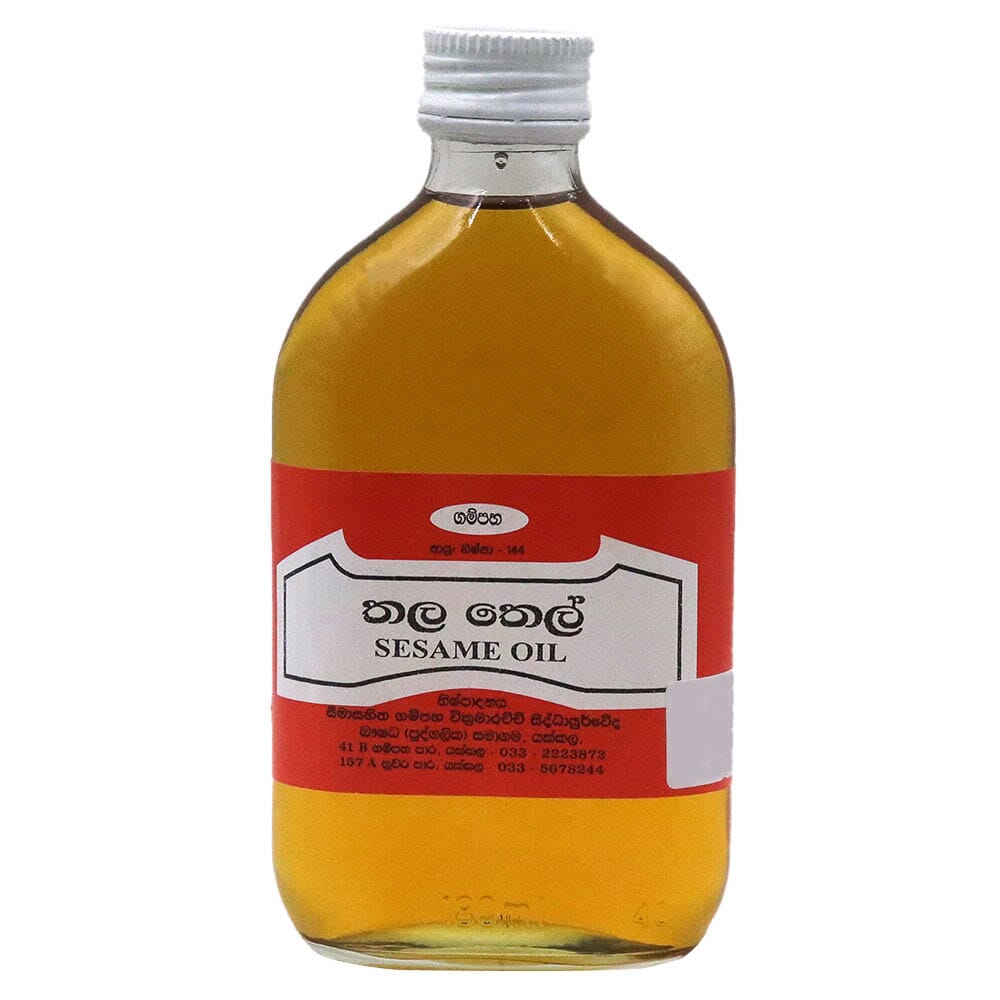
In Sri Lanka, sesame — known locally as thala — has long been pressed into oil for cooking and Ayurvedic therapies, and ground into sweet confections such as sesame-based sweets that appear at festivals and family gatherings. The seeds complement Ceylon black pepper and other island spices in many traditional recipes.
What nutrients do sesame seeds contain?
Despite their small size, sesame seeds deliver a broad spectrum of macronutrients and micronutrients. According to USDA data, a 28 g (one-ounce) serving of whole dried sesame seeds provides meaningful amounts of:
- Healthy fats — predominantly monounsaturated and polyunsaturated fatty acids
- Protein — including the amino acid tryptophan
- Dietary fibre — supporting digestive regularity
- Calcium and phosphorus — key minerals for bone density
- Iron and magnesium — important for energy metabolism
- B-vitamins — including thiamine and niacin
- Vitamin E — a fat-soluble antioxidant
- Zinc — involved in immune function and collagen synthesis
Beyond standard vitamins and minerals, sesame seeds contain two distinctive classes of bioactive compounds: lignans (specifically sesamin and sesamolin) and polyphenols (including sesamol). Research published in the journal Food Chemistry has highlighted the considerable antioxidant activity of sesame products, attributing much of it to these compounds.
What are the main health benefits of sesame seeds?
Sesame seeds have attracted sustained scientific interest because their nutritional profile acts on multiple body systems simultaneously. The benefits below reflect areas where research evidence is reasonably well established.
Heart and blood pressure support
Oil-soluble lignans found in sesame seeds — particularly sesamin — have been associated with reductions in hypertension in several research studies. The seeds' polyunsaturated fatty acids also contribute to maintaining healthy cholesterol balance. Together, these properties make sesame a useful dietary inclusion for cardiovascular health, though they work best as part of a balanced diet rather than as a standalone remedy.
Bone strength
Unhulled sesame seeds are among the more concentrated plant-based sources of calcium. They also supply magnesium, phosphorus, and zinc — co-factors that the body needs to lay down and maintain bone mineral density. This makes them particularly relevant for people who limit or avoid dairy.
Digestive health
The dietary fibre in sesame seeds supports regular bowel movement and feeds beneficial gut bacteria. Sesame oil has traditionally been used as a mild laxative in Ayurvedic practice, a use that aligns with its emollient properties.
Skin and hair
Sesame oil contains vitamin E, which is widely recognised for its role in skin repair and in reducing the visible effects of oxidative damage. The oil is also rich in zinc, a mineral that contributes to collagen formation — the structural protein that gives skin its elasticity. For hair, sesame seed oil is traditionally massaged into the scalp to nourish the roots, slow premature greying, and add shine to dull strands, thanks to its combination of vitamins, minerals, and antioxidant polyphenols.
Blood sugar regulation
Some clinical studies have examined sesamin's potential to improve insulin sensitivity and lower fasting blood glucose levels, suggesting a role for sesame in diabetes management. While results are promising, this remains an active area of research, and sesame should complement — not replace — medical treatment.
Anti-inflammatory properties
Sesamol, one of the key phenolic antioxidants in sesame oil, has been studied for its ability to inhibit inflammatory pathways at the cellular level. Chronic low-grade inflammation is linked to a range of conditions, from arthritis to cardiovascular disease, so dietary sources of anti-inflammatory compounds carry broader significance.
How are sesame seeds used in cooking?
Sesame seeds are among the most versatile pantry staples in both home and professional kitchens. Common applications include:
- Sprinkling over salads, rice dishes, and noodles for texture and flavour
- Pressing into sesame oil — a staple finishing oil in East and Southeast Asian cooking
- Blending into tahini, the paste that forms the base of hummus and many Middle Eastern dressings
- Coating bread rolls, crackers, and burger buns before baking
- Mixing into batters for fish or chicken to create a crisp, nutty crust
- Grinding into gomashio (Japanese seasoning salt) or similar condiment blends
- Pressing into sesame brittle, energy bars, and traditional sweets across South and Southeast Asia
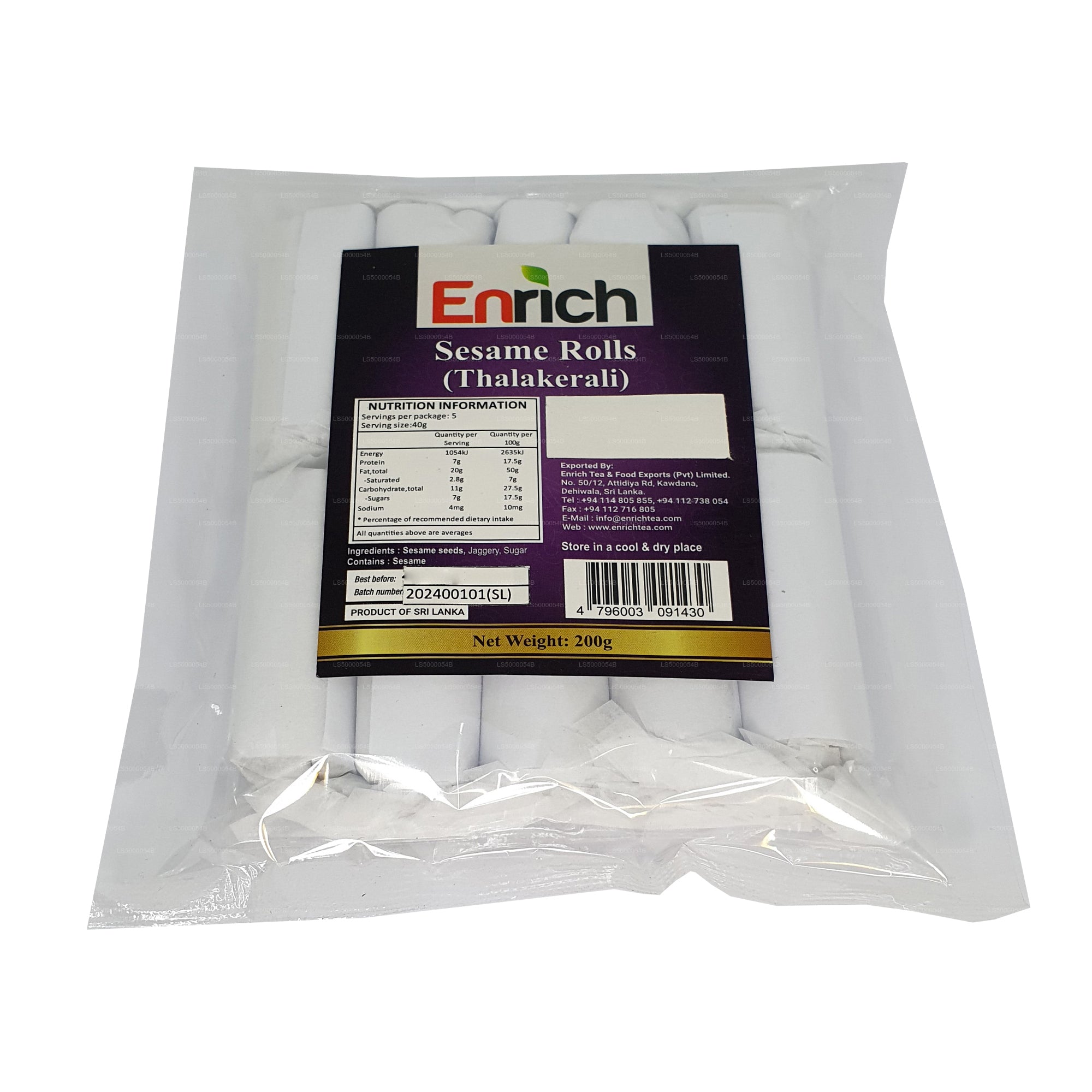
In Sri Lanka, thala (sesame) features in thalakerali — sesame rolls or brittle made with jaggery — a popular snack sold at village fairs and street stalls. The seeds also appear in Ayurvedic formulations where their warming properties are considered beneficial during cooler seasons.
What is the difference between white and black sesame seeds?
White (hulled) sesame seeds have had their outer coat removed, leaving a milder flavour and a slightly softer texture. They are the variety most commonly seen on bread and in tahini. Black sesame seeds retain their hull, giving them a stronger, more bitter-edged flavour and a higher concentration of certain antioxidants. Both colours share a broadly similar nutrient profile, though black sesame seeds are sometimes credited with higher mineral content due to the hull. In cooking, white seeds tend to disappear into dishes, while black seeds add visual contrast.
How should sesame seeds be stored?
Because of their high oil content, sesame seeds are susceptible to rancidity if stored poorly. Unhulled seeds keep well in a sealed container at room temperature for several months. Hulled seeds, with their protective outer layer removed, benefit from refrigeration once opened, extending their shelf life to around six months. Sesame oil — particularly unrefined cold-pressed oil — should be kept away from heat and light; refrigeration after opening is advisable.
Are sesame seeds suitable for people with allergies?
Sesame is one of the major food allergens recognised by regulatory bodies in many countries, including the United States, the European Union, and Canada. Reactions can range from mild oral irritation to severe anaphylaxis in sensitised individuals. People with a known tree-nut or seed allergy should exercise caution and consult a healthcare professional before introducing sesame into their diet. Food labels increasingly list sesame as a declared allergen, making it easier to identify in packaged products.