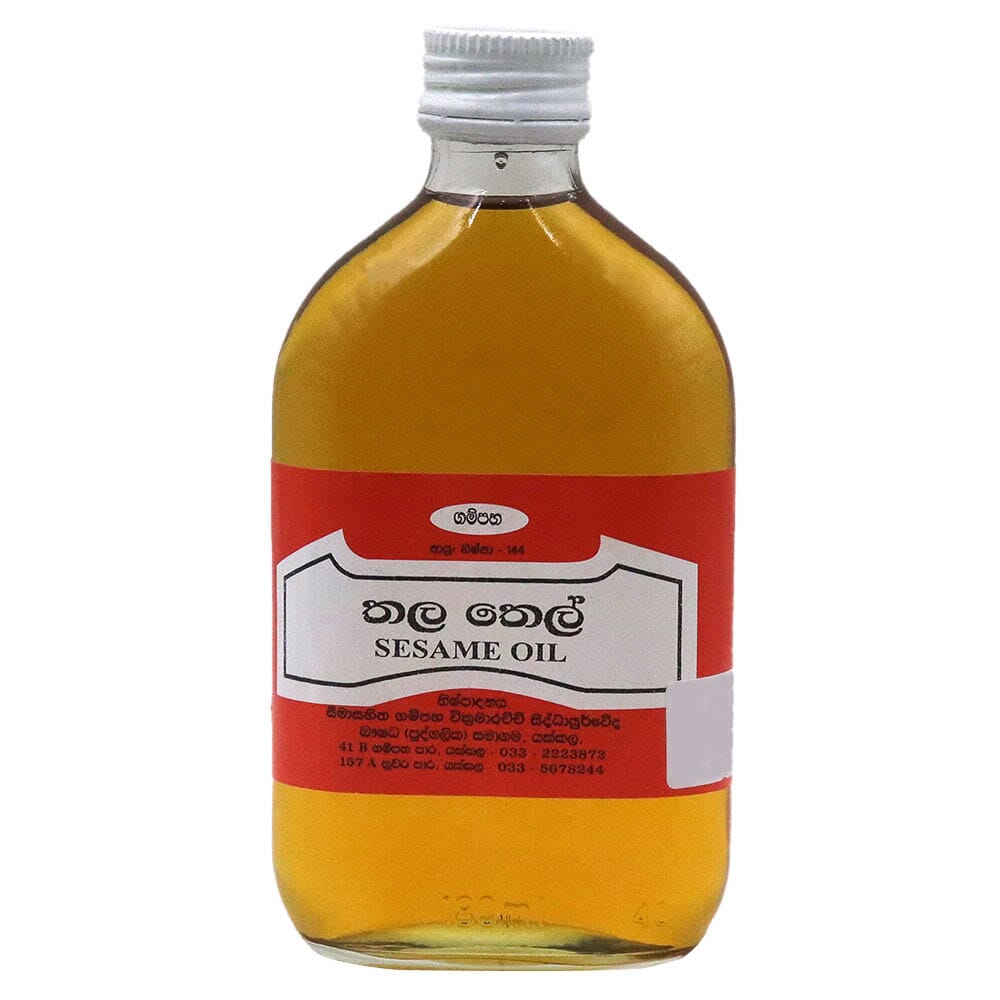
Ashwagandha Oil is one of the most recognised preparations in traditional Ayurvedic medicine. Derived from the roots of Withania somnifera — commonly called Ashwagandha or Indian Winter Cherry — the oil concentrates the herb's adaptogenic compounds into a form that can be absorbed through the skin. In Sri Lanka, it sits alongside a long tradition of medicated oils that practitioners have used for centuries to address everything from muscle fatigue to chronic stress.
What is Ashwagandha Oil and how is it made?
The oil is produced by a slow-infusion method in which dried Ashwagandha root or root powder is simmered in a carrier oil — most often sesame oil or coconut oil — until the bioactive constituents migrate into the base. The process can take several hours and requires careful temperature control to preserve the withanolides, the steroidal lactones considered responsible for many of the herb's effects. Some formulations incorporate secondary herbs such as licorice, cardamom, or ashwagandha leaf alongside the root to broaden the therapeutic profile.
Quality varies considerably between producers. Traditionally prepared oils from established Ayurvedic pharmacies follow classical texts such as the Ashtanga Hridayam, while mass-market versions may use solvent extraction or synthetic fragrance. When buying Ashwagandha Oil, it is worth checking whether the preparation follows a named classical formula or is a proprietary blend.
What are the main therapeutic uses of Ashwagandha Oil?
Ayurvedic practitioners recommend the oil across several overlapping areas of care:
- Stress and nervous system support: Topical application, particularly at the scalp, temples, and soles of the feet, is traditionally believed to calm an overactive nervous system and ease anxiety-related tension.
- Muscle and joint relief: Massaging the oil into sore or stiff muscles is a common practice after physical exertion. The anti-inflammatory properties attributed to withanolides may help reduce localised swelling and discomfort associated with joint conditions.
- Sleep quality: Evening application is preferred by many practitioners. The calming effect of a warm-oil massage before bed is thought to encourage deeper, more restorative sleep — a claim consistent with adaptogen research, though individual responses vary.
- Skin health: The oil is applied to dry or devitalised skin as part of a daily abhyanga (self-massage) routine. Regular use is said to improve skin texture and tone over time.
- Scalp and hair care: Scalp massage with Ashwagandha Oil is a traditional practice aimed at reducing hair fall linked to stress and nourishing the hair follicle.
How should Ashwagandha Oil be applied?
The most common application method is therapeutic massage. Warm a small quantity of the oil by placing the bottle in hot water for a few minutes — warm oil penetrates the skin more readily than cold. Apply to the target area using slow, circular strokes, working toward the heart to support circulation. For full-body abhyanga, leave the oil on the skin for 15–20 minutes before a warm shower.
For scalp use, part the hair in sections and massage the oil gently into the scalp with fingertips. Leave for at least 30 minutes or overnight before washing. For joint areas, apply and cover with a warm cloth for better absorption.
The best time for use is generally in the evening, when the body is winding down. Morning application is also practised, particularly before bathing, as part of a daily wellness routine.
Are there any precautions to keep in mind?
Ashwagandha Oil is intended for external use only. People with sesame or coconut allergies should check the carrier oil used before applying. A patch test on the inner wrist is advisable for anyone with sensitive skin. Pregnant women and individuals on immunosuppressant or thyroid medications should consult a qualified Ayurvedic or medical practitioner before regular use, as systemic effects — even from topical application — have not been extensively studied in these groups.
The oil should be stored away from direct sunlight and heat, and used within the period stated on the packaging. Rancid carrier oils can cause skin irritation and reduce the efficacy of the herbal constituents.
How does Ashwagandha Oil fit into Sri Lanka's Ayurvedic tradition?
Sri Lanka has its own rich tradition of indigenous medicine — Deshiya Chikitsa — that draws on classical Indian Ayurveda while incorporating locally available herbs and preparation techniques. Medicated oils, known as taila, are central to this tradition, and well-known Sri Lankan Ayurvedic institutions such as Gampaha Wickramarachchi Ayurveda University have been producing and distributing formulations for decades.
Ashwagandha itself grows in the drier regions of Sri Lanka and is cultivated commercially for both domestic use and export. Its inclusion in classical preparations reflects centuries of cross-pollination between Sri Lankan and South Indian medical traditions. Alongside other herbal remedies such as Yogaraja Guggulu, Ashwagandha Oil remains an active part of contemporary Ayurvedic practice on the island, available in licensed Ayurvedic pharmacies, health stores, and through specialist retailers.
Where can you buy authentic Ashwagandha Oil in Sri Lanka?
Licensed Ayurvedic pharmacies and government-registered health stores carry a range of Ashwagandha Oil formulations. Reputable brands produced under Sri Lanka's Department of Ayurveda oversight carry batch numbers and ingredient disclosures on their labels — a useful quality indicator. Online platforms associated with established Ayurvedic manufacturers also offer delivery within the island and internationally. When purchasing for export or gifting, check that the product carries the necessary certification for the destination country.
Related reading
4 pages on closely related subjects.