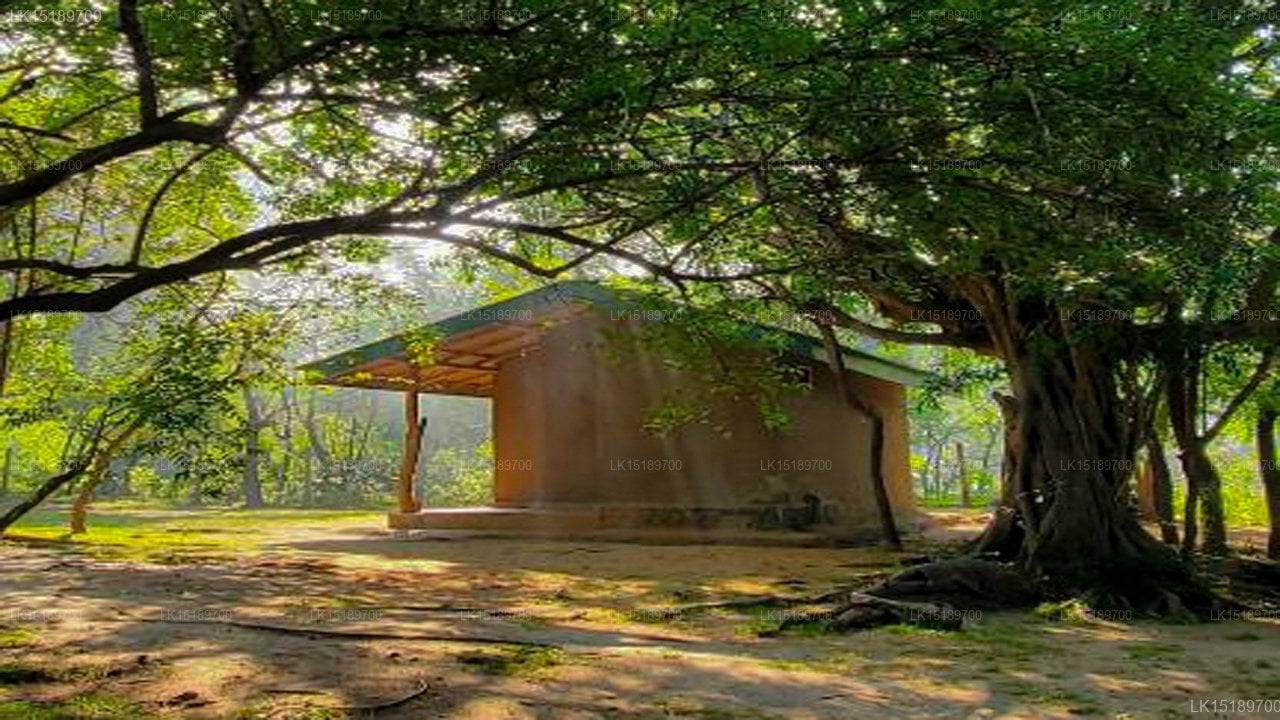
Palapotta Pottery Village is one of Sri Lanka's quietly enduring craft destinations — a working rural community where the wheel has been turning, generation after generation, long before heritage tourism became a buzzword. Located in the North Western Province, the village is home to families of potters who continue to shape clay using techniques refined over centuries, producing everything from everyday water pots to carefully detailed decorative ware. A visit here offers a direct encounter with a living craft tradition rather than a staged cultural performance.
What makes Palapotta different from other pottery villages in Sri Lanka?
Sri Lanka has several pottery-making communities, but Palapotta stands out for the continuity of its practice. The artisans here have not shifted to mass production. Work is still done largely by hand — using traditional foot-powered kick wheels and open-air kilns fired with wood — and each piece carries the slight irregularities that mark genuinely handmade craft. The clay itself is sourced from nearby river deposits, giving Palapotta ware a characteristic earthy tone that differs from the smoother, paler finishes produced elsewhere on the island.
The village also preserves a social structure centred on the craft. Pottery is not a side activity for residents; it is the primary livelihood, which means visitors encounter a community fully invested in the tradition rather than a demonstration arranged for tourist groups.
What can you see and do at Palapotta Pottery Village?
Watching a skilled potter work the wheel is the first draw. Experienced artisans can centre a lump of clay and raise it into a symmetrical vessel in a matter of minutes, a process that looks deceptively simple until you attempt it yourself. Visitors are typically free to walk through the working yards and observe potters at different stages — wedging clay, throwing forms, trimming dried pieces, and loading the kiln.
- Wheel throwing sessions: Most visits include a hands-on turn at the potter's wheel, guided by a local artisan. Expect your first attempts to collapse; that, too, is part of the experience.
- Kiln observation: If a firing is scheduled during your visit, the wood-fuelled kiln produces temperatures that transform raw clay into durable earthenware — a process worth witnessing.
- Purchasing finished work: Pots, bowls, oil lamps, and small figurines are sold directly from the village at prices that reflect fair compensation to the maker rather than tourist-market markups.
- Village walks: The surrounding area is typical Sri Lankan lowland countryside — paddy land, coconut gardens, and small homesteads — and a short walk through the village gives context to the community's daily life.
How do I get to Palapotta Pottery Village from Colombo?
Palapotta lies roughly 80–90 kilometres north of Colombo, accessible via the Colombo–Kurunegala highway. The most practical approach for visitors is a private vehicle, which allows you to stop at the village at your own pace rather than fitting into a fixed bus schedule. Journey time from Colombo is typically around two hours depending on traffic. The village is also a feasible detour when travelling between Colombo and the Cultural Triangle — combining a pottery visit with a stop at Sigiriya Village makes for a well-rounded day in the North Western and Central provinces.
Public transport options exist via Kurunegala, though the final stretch to the village usually requires a tuk-tuk from the nearest junction. For groups or families, a private driver arranged through a destination management company is the most efficient option.
When is the best time to visit Palapotta?
The village operates throughout the year, and pottery production is not seasonally dependent. The drier months between December and April tend to be the most comfortable for outdoor visits, as the kiln yards and working areas are open-air. During the South-West monsoon (May to September), afternoon showers are common but rarely persistent, and the village itself remains accessible. Morning visits generally offer the best light for photography and the most active production atmosphere, since firing and drying often take place in the early hours before the day's heat peaks.
Is Palapotta suitable for children and families?
The hands-on nature of pottery makes Palapotta particularly engaging for children. Working with clay is tactile, immediately rewarding, and low-risk — there is nothing fragile or off-limits during a wheel session, and younger visitors often take to it more readily than adults. Families should plan for at least 90 minutes on site to allow time for a workshop session, a walk through the production area, and browsing the finished pieces. Facilities are simple and rural; visitors should not expect air-conditioned waiting areas or formal cafés, though local hospitality is consistently warm.
How does the pottery village support the local community?
Tourism at Palapotta is structured to benefit artisan families directly. Payments for workshops and purchases go to individual households rather than through an intermediary, which means visitor spending has a measurable impact on local incomes. The craft itself also sustains related livelihoods — clay suppliers, kiln-wood providers, and the small traders who move finished pottery to regional markets. By choosing to visit and purchase here, travellers participate in an economic model that gives traditional craft a reason to survive alongside modern alternatives.
Sri Lanka has a broader tradition of village-based craft tourism, and Palapotta sits within that ecosystem naturally. The kitul tapping communities of the wet zone and the weaving villages of the Kandyan highlands follow a similar pattern of skill transmission tied directly to daily economic life.
What should I bring or prepare before visiting?
- Wear clothes you are comfortable getting clay on — the workshop element is genuinely messy.
- Bring cash in Sri Lankan rupees; card payment facilities are unlikely to be available at the village level.
- A small bag or padded wrapping is useful if you plan to carry home a purchased piece of pottery.
- Sunscreen and a hat are advisable for the open yard sections of the visit.
- Arrive with a flexible schedule — village rhythms do not always align with fixed tour itineraries, and the most authentic experiences tend to unfold at their own pace.
Can Palapotta be combined with other nearby attractions?
Yes, and it pairs well with several sites in the surrounding region. The drive up from Colombo passes through the Negombo coastal corridor, making a morning stop at the fishing town a natural prelude. Travelling north-east toward the Cultural Triangle, visitors can continue from Palapotta toward Kurunegala and then on to Dambulla or Sigiriya. For travellers with a particular interest in craft and village life, combining Palapotta with a cycling tour through the Pinnawala area offers a fuller picture of how rural Sri Lanka functions at an everyday level.
Nearby places
8 places within about 25 km, nearest first.
Related reading
7 pages on closely related subjects.