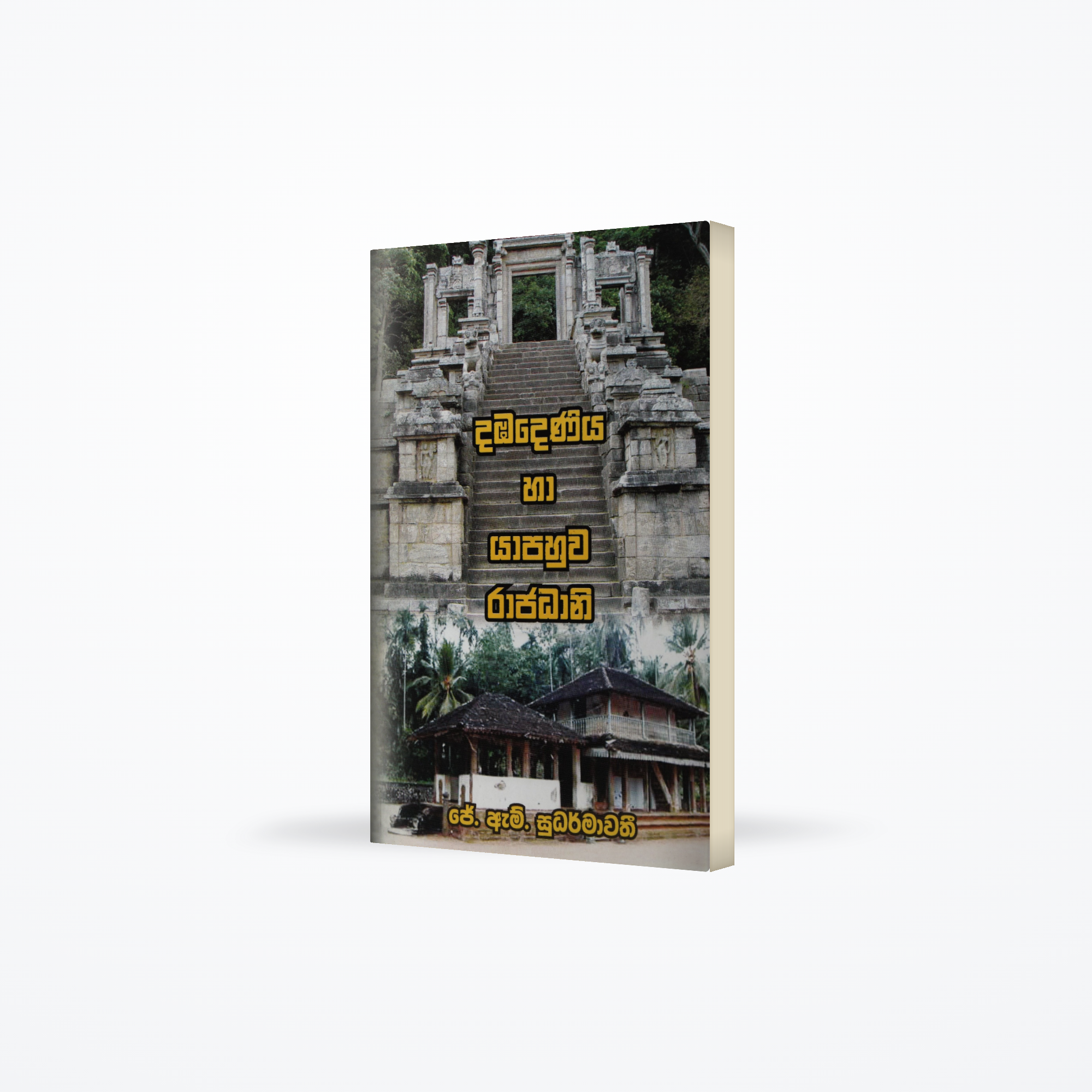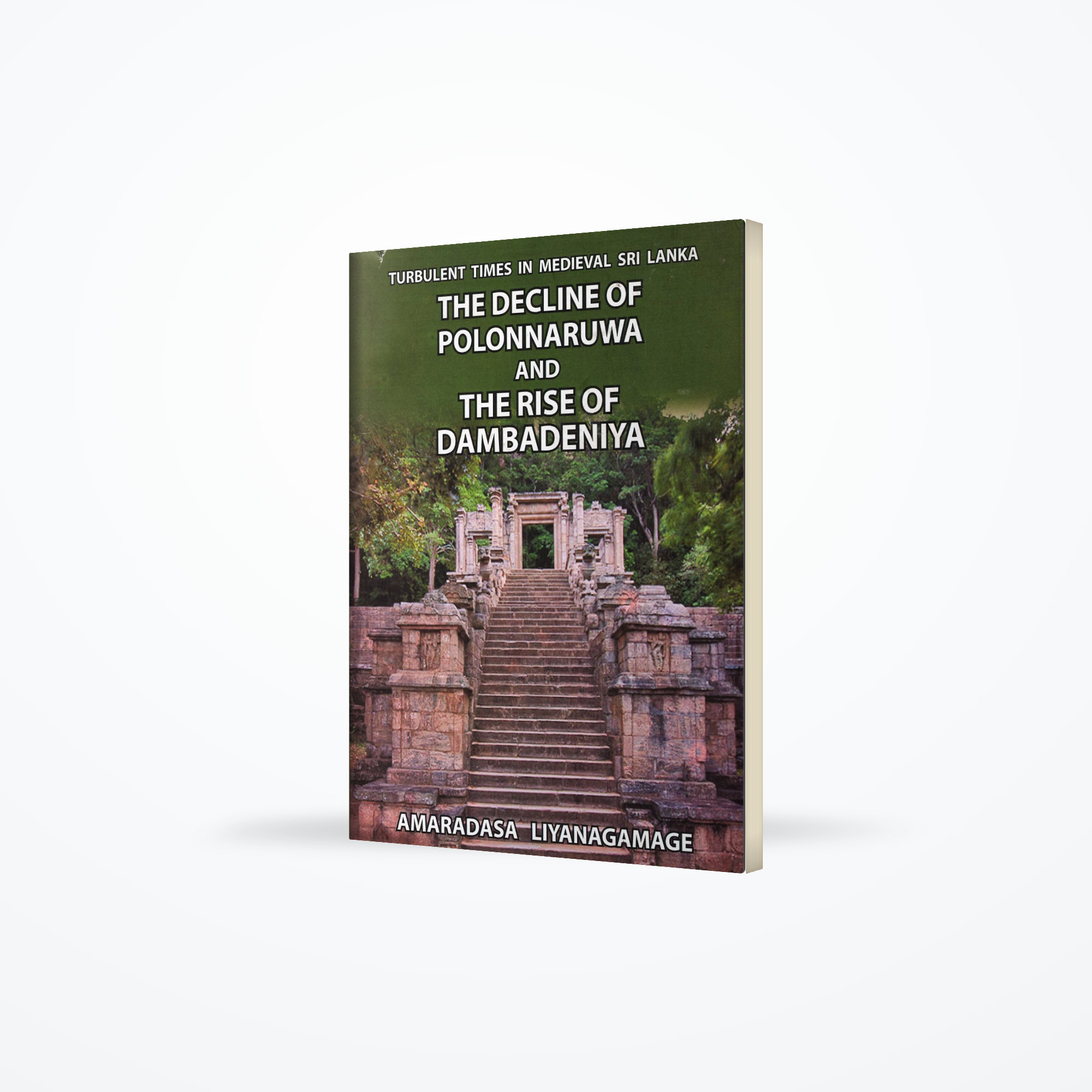


Dambadeniya Vijayasundararamaya is one of Sri Lanka's quietly significant Buddhist temples — a place where royal history, religious tradition, and vernacular architecture survive together on a single site. Built during the Dambadeniya kingdom period in the thirteenth century, the temple continues to function as an active place of worship while preserving monuments that date back nearly eight hundred years.
What is the historical significance of Dambadeniya Vijayasundararamaya?
The temple was founded by King Vijayabahu II, the first ruler of the Dambadeniya kingdom, which emerged as the centre of Sinhalese political and religious power after the decline of Polonnaruwa. The Dambadeniya period is broadly dated to the mid-thirteenth century, when the kingdom sheltered the Sacred Tooth Relic of the Buddha — the island's most revered object — from successive South Indian invasions.
The temple's name itself reflects that heritage: Vijayasundaramaraya honours King Vijayabahu II, and the compound once stood in close proximity to the royal palace on Maliga Gala, the granite outcrop that served as the king's fortified residence. The physical relationship between palace and temple was deliberate — in medieval Sri Lankan kingship, proximity to the Tooth Relic conferred legitimacy on the ruler.
What ancient monuments can visitors see at the temple?
Two structures at Vijayasundararamaya draw particular interest from historians and heritage travellers.
- Ancient Temple of the Tooth (Dalada Maligawa): A wooden building that once housed the Sacred Tooth Relic. The structure is one of the few surviving examples of medieval Sri Lankan timber-framed religious architecture, and its craftsmanship offers a rare glimpse into the carpentry traditions of the Dambadeniya period.
- Vatadage: A circular relic house typical of Sri Lankan Buddhist architecture. The vatadage at this site follows the classic design — a raised circular platform with concentric stone columns that once supported a conical roof — and sits within the older section of the temple compound.
The interior walls of the ancient temple building also retain frescoes of considerable age. Though faded in places, the paintings are instructive for understanding the iconographic conventions of the Dambadeniya era, and they are among the reasons conservation specialists periodically visit the site.
Where is Dambadeniya Vijayasundararamaya located, and how do I get there?
The temple stands in Dambadeniya town in the North Western Province, roughly 500 metres from the Kurunegala–Negombo main road. The turnoff is well signposted, and the approach road is manageable by car or tuk-tuk. Most visitors arrive from Kurunegala, the provincial capital, which lies around 20 kilometres to the east.
Dambadeniya is also a feasible stop on a longer cultural circuit that takes in Yapahuwa, Panduwas Nuwara, and Kurunegala — all sites associated with the post-Polonnaruwa kingdoms that preceded the Kandyan era. Travellers combining this region with a Negombo city tour can reach the temple within an hour's drive from the coast.
Is the temple still active today?
Yes. Vijayasundararamaya remains a functioning Buddhist temple and one of the principal viharas in the Dambadeniya area. Regular Dhamma activities, Dhamma school sessions, and poya-day observances take place on the grounds alongside the historic structures. Visitors are welcome, though modest dress — covered shoulders and legs — is expected, and shoes must be removed before entering any shrine room.
The coexistence of a living religious community with genuinely ancient architecture makes this site different from purely archaeological sites. The monks resident here are generally willing to offer context about the temple's history, though visits are best kept respectful and unhurried.
What is the best time to visit Dambadeniya Vijayasundararamaya?
The temple can be visited year-round. The North Western Province has a relatively dry climate between May and September, which makes touring the open-air compound more comfortable during those months. Poya (full moon) days bring increased numbers of local worshippers and a livelier atmosphere, which some travellers find adds to the experience. Early morning visits — before mid-morning heat and larger groups — allow more time with the frescoes and vatadage without distraction.
How does Vijayasundararamaya fit into the broader Dambadeniya heritage circuit?
The temple is best understood as part of a cluster of related sites around Dambadeniya town. Maliga Gala, the rocky hill that once held the royal palace, is visible from the temple compound and can be climbed on a short trail. A short drive away, the Dambadeniya Rajamaha Viharaya preserves additional material from the same kingdom period. Together, these sites give a more complete picture of what thirteenth-century royal Sri Lankan life looked like — not just its religious architecture, but also its defensive geography and domestic arrangements.
For travellers with a serious interest in the succession of Sri Lankan kingdoms, this region forms a logical bridge between the Sigiriya-era sites to the east and the later Kandyan period to the south. Understanding Dambadeniya's role — as a kingdom that preserved the Tooth Relic during a particularly turbulent century — adds depth to any broader exploration of the island's history.
What should visitors know before arriving?
- There is no significant admission fee for the temple itself, though donations to the resident community are customary.
- Photography inside shrine rooms may be restricted — ask permission before photographing frescoes or Buddha statues.
- The ancient wooden Tooth Relic shrine is fragile; visitors are asked not to touch the structure.
- Sarongs are sometimes available to borrow at the entrance for visitors who arrive underprepared, but it is better to dress appropriately in advance.
- There are no large-scale food or souvenir facilities at the site; Kurunegala town has a full range of services.