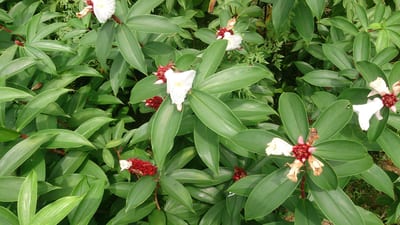
Marsdenia tenacissima is a woody climbing plant belonging to the family Apocynaceae (formerly placed in Asclepiadaceae). Known across South and Southeast Asia for its medicinal properties, it holds a documented place in the catalog of Ayurvedic medicinal plants recognised in Sri Lanka. Its fibrous stems, bitter latex, and bioactive compounds have made it a subject of both traditional practice and modern phytochemical research.
What is Marsdenia tenacissima?
Marsdenia tenacissima is a perennial twining climber found in tropical and subtropical forests across South Asia, including parts of Sri Lanka, India, and Myanmar. The plant produces slender, tough stems — the species epithet tenacissima means "most tenacious" in Latin, a reference to the exceptional strength and flexibility of its fibres. Small, fragrant flowers appear in axillary clusters, and the plant bears paired follicle fruits typical of the Apocynaceae family.
In Sri Lanka, it grows in moist lowland and mid-elevation forest margins, often found climbing over other vegetation. Its bark fibres have historically been used to make cordage, and the plant's alkaloid-rich tissues have attracted interest in ethnobotanical studies.
What are the traditional Ayurvedic uses of Marsdenia tenacissima?
Within the Sri Lankan Ayurvedic tradition, Marsdenia tenacissima is valued primarily as a medicinal herb. Various parts of the plant — stems, leaves, and roots — are used in classical formulations targeting respiratory conditions, particularly chronic cough and bronchial disorders. The plant is considered to have expectorant and anti-inflammatory properties in Ayurvedic literature.
- Respiratory support: Stem and root preparations are traditionally used to ease symptoms associated with asthma and chronic bronchitis.
- Anti-inflammatory applications: Preparations from the plant are referenced in texts addressing joint inflammation and rheumatic complaints.
- Immunomodulatory use: In Indian Ayurvedic practice, it is an ingredient in formulations intended to support immune function during and after illness.
- Febrifuge: Leaf decoctions have been used in folk medicine as part of fever management protocols.
It is worth noting that in India, Marsdenia tenacissima is closely associated with the compound preparation known as Jeevani and has been studied as a possible adjunct in integrative oncology contexts, though this use falls outside traditional Sri Lankan Ayurvedic practice and is the subject of ongoing research rather than established clinical protocol.
What does phytochemical research reveal about this plant?
Phytochemical studies have identified a range of bioactive constituents in Marsdenia tenacissima, including pregnane-type steroidal glycosides (marsdenosides), alkaloids, flavonoids, and tannins. The pregnane glycosides, in particular, have attracted research attention for their potential cytotoxic and immunostimulant activity.
Extracts of the plant have been examined in laboratory settings for antimicrobial properties against several pathogenic bacteria. The results suggest meaningful inhibitory activity, though translating these findings into clinical applications requires further validated trials. Sri Lanka's growing interest in evidence-based Ayurveda has positioned plants like Marsdenia tenacissima as candidates for formal pharmacological documentation under national herbal medicine policy.
How does Marsdenia tenacissima fit into Sri Lanka's Ayurvedic tradition?
Sri Lanka has one of the world's most continuous living Ayurvedic traditions, shaped by texts such as the Charaka Samhita and localised through centuries of indigenous Deshiya Chikitsa practice. The country's Ministry of Indigenous Medicine maintains a formal catalog of medicinal plants, and Marsdenia tenacissima is included within this framework under its official reference code.
Practiced herbalists (vedamahaththaya) in rural Sri Lanka have historically sourced this plant from forest areas to compound preparations alongside other recognised species. Other documented Ayurvedic plants in the Sri Lankan system include Acacia chundra, used for its astringent bark, and Pongamia pinnata, valued for both medicinal and agro-forestry uses — both of which illustrate the breadth of Sri Lanka's botanical pharmacopoeia.
The island's diverse ecosystems — from lowland wet zones to highland forests — support an exceptionally rich flora. Reserves such as the Sinharaja Forest Reserve, a UNESCO World Heritage Site, shelter many endemic and medicinally significant plant species, making conservation of these habitats directly relevant to the future of Sri Lankan herbal medicine.
What is the conservation status and sustainable sourcing situation?
Like many forest-dependent medicinal plants, Marsdenia tenacissima faces pressure from habitat loss and wild-harvesting. It has not been formally assessed on the IUCN Red List as a threatened species, but its dependence on intact forest habitats means that deforestation and land conversion pose indirect risks to wild populations.
Sri Lanka's Department of Ayurveda has encouraged cultivation of high-demand medicinal plants to reduce pressure on wild stocks. Marsdenia tenacissima is considered cultivable in home gardens and agroforestry settings where suitable climbing structures and partial shade can be provided. Sustainable sourcing from cultivated plants is the recommended approach for herbal manufacturers.
How is Marsdenia tenacissima prepared for medicinal use?
Traditional preparations vary by practitioner and regional convention. Common forms include:
- Decoction (kashaya): Dried stem pieces are boiled in water and the liquid is reduced to a concentrated form, typically consumed in small doses under practitioner guidance.
- Churna (powder): Dried and powdered plant material is incorporated into compound herbal powders, often combined with other ingredients. Related compound formulations available in the Sri Lankan market include preparations documented on pages such as Pushyanuga Churna and Yogaraja Guggulu.
- Medicated oil: In some traditions, the plant extract is processed into oil-based formulations for topical application in joint and muscle conditions.
Ayurvedic preparations should be taken under the supervision of a qualified Ayurvedic physician. Self-medication with plant-based formulations carries risks of incorrect dosage or contraindication with existing health conditions.
Where can visitors learn more about Sri Lanka's medicinal plant heritage?
Several locations in Sri Lanka offer opportunities to engage with the country's living botanical and Ayurvedic traditions. Botanical gardens, Ayurvedic spa resorts, and heritage herb gardens — particularly in the Kandy and Gampaha districts — present curated collections of medicinal plants with interpretive materials. Visitors interested in traditional medicine and natural products will find these experiences a complement to broader cultural travel through the island.
Other species in this genus
1 more, sharing the same genus.