Mallotus philippensis is a native tree of Sri Lanka known in English as the Kamala tree. It belongs to the family Euphorbiaceae, a large plant family widely represented on the island and known for species with milky or watery sap, simple leaves, and small unisexual flowers arranged in spikes or clusters.
What does the Kamala tree look like?
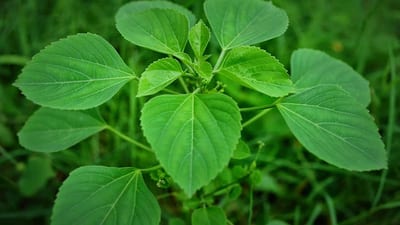
As a member of Euphorbiaceae, Mallotus philippensis shares the family's general habit of being a woody shrub or small to medium-sized tree with simple, alternately arranged leaves. Flowers in this family are typically small and unshowy, borne in dense spikes rather than large individual blooms. Precise details of leaf shape, bark texture, or flower colour for this particular species are not part of the current record.
Where does it grow?
The species is recorded as native to Sri Lanka, meaning it occurs naturally on the island as part of its indigenous flora, though it is not restricted to Sri Lanka alone and is found more widely across its native range in tropical and subtropical Asia.
What is its conservation status?
Under the National Conservation Status list of Sri Lanka (2012), Mallotus philippensis is assessed as Least Concern (LC). This designation indicates that, based on the 2012 national assessment, the species was not considered to be facing a significant risk of extinction within Sri Lanka.
Can you eat Mallotus philippensis?
The record lists no edible parts for this species. It should not be treated as a food plant or foraged for consumption.
| Attribute | Value |
|---|---|
| Scientific name | Mallotus philippensis |
| Family | Euphorbiaceae |
| English name | Kamala tree |
| Status in Sri Lanka | Native |
| Conservation status (NCS 2012) | LC (Least Concern) |
| Edible parts | None |
Other species in this genus
3 more, sharing the same genus.