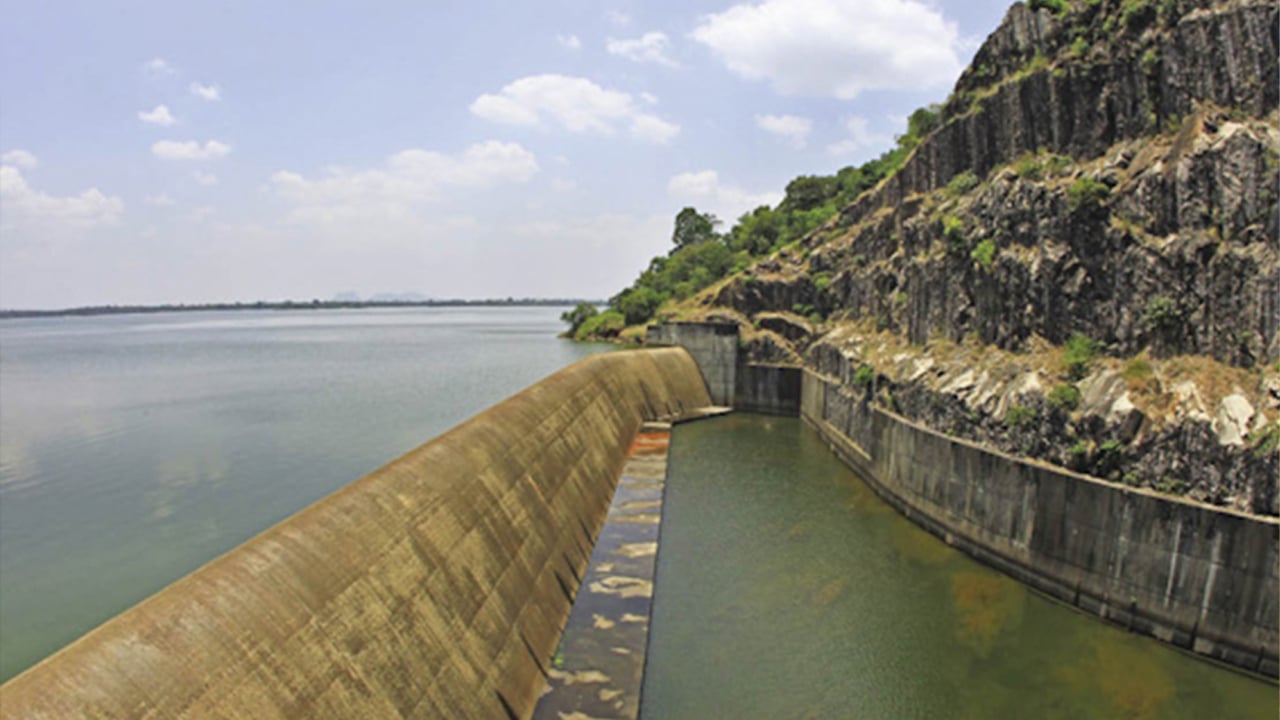


Maduru Oya traces a long arc from the central highlands of Sri Lanka to the coast near Batticaloa Lagoon, passing through some of the island's most ecologically significant dry-zone terrain. The river is not simply a waterway — it is the backbone of a landscape shaped by ancient irrigation, abundant wildlife, and communities whose livelihoods have depended on its waters for centuries. For travellers, it is best known as the setting for Maduru Oya National Park, one of Sri Lanka's less-visited but genuinely rewarding wildlife destinations.
What is the significance of the Maduru Oya River?
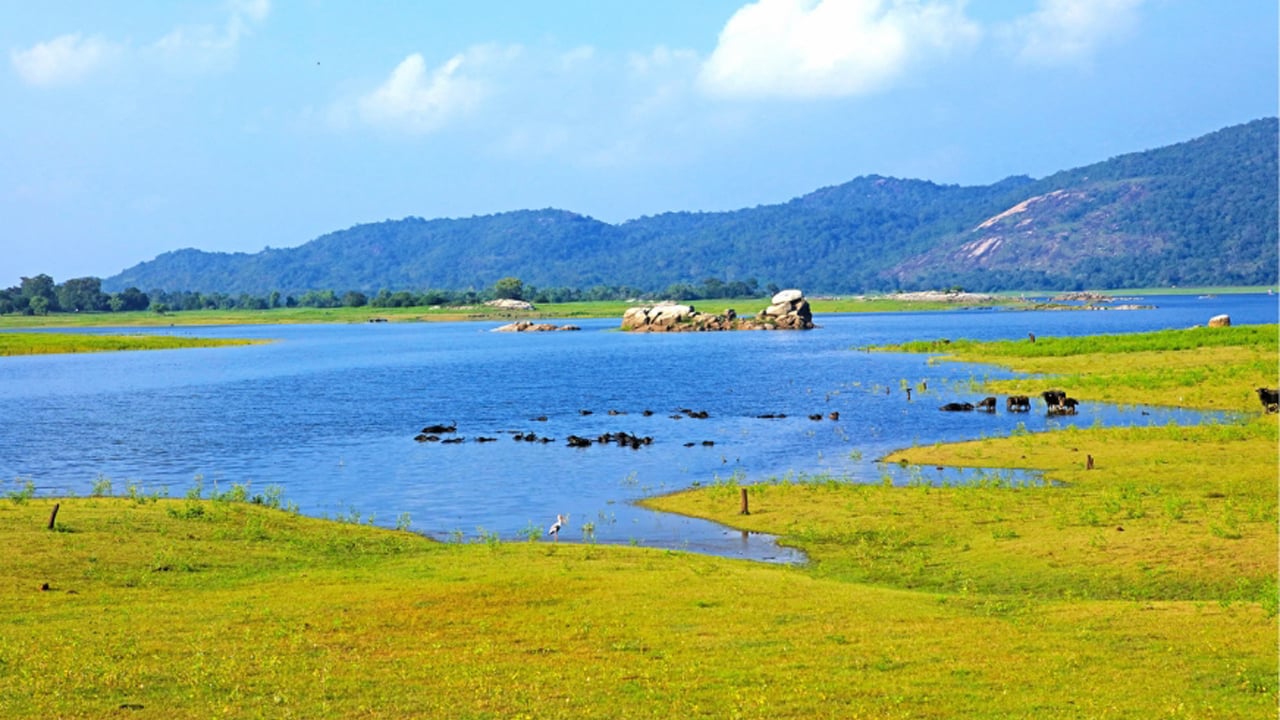
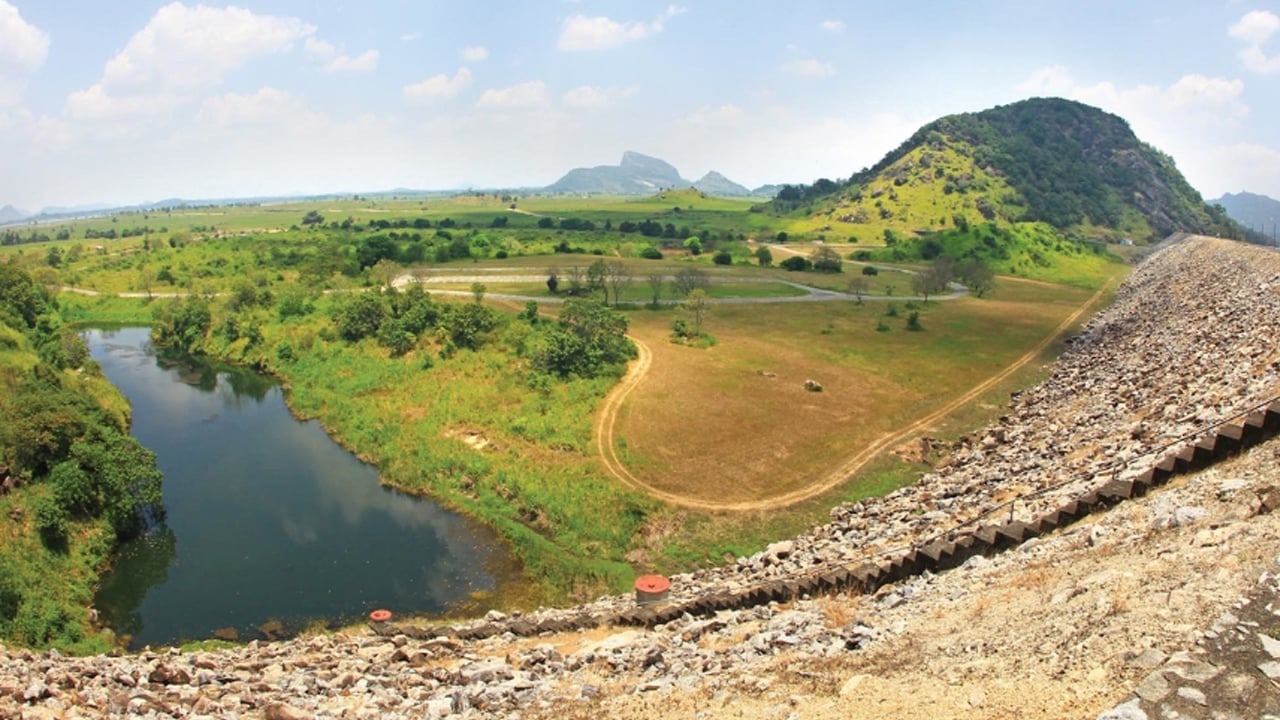
Rising in the wet-zone hills, the river transitions into the dry zone relatively quickly, which gives it an outsized role in regional water management. The Maduru Oya Reservoir, created by damming the river, supplies irrigation water to large-scale rice paddies, vegetable plots, and fruit farms across the Ampara and Batticaloa districts. It also serves as a source of drinking water for towns and villages that would otherwise struggle in this seasonally arid region.
The river's catchment is sensitive to highland rainfall. During the north-east monsoon, water levels can rise sharply, and low-lying farmland near Mahiyangana, Ampara, and the coastal plain around Batticaloa becomes susceptible to flooding and prolonged waterlogging. Hydrological monitoring along the river remains an active priority for Sri Lanka's Irrigation Department precisely because of this vulnerability.
Culturally, the river has been integral to settlement patterns here since the era of the ancient hydraulic civilisations. The association of Maduru Oya with the broader network of reservoirs and canals that once sustained kingdoms centred at Polonnaruwa underscores just how long this river has been managed and valued by human communities.
What wildlife can I see at Maduru Oya National Park?
Maduru Oya National Park covers roughly 58,850 hectares of dry mixed evergreen forest, riverine gallery forest, and open scrubland — a mosaic that supports an impressive range of species. Sri Lankan elephants are the park's flagship residents, and the population here is considered one of the more stable in the country. The park forms part of a larger elephant corridor that connects with Gal Oya, Somawathiya, and Wasgamuwa national parks, allowing animals to range widely.
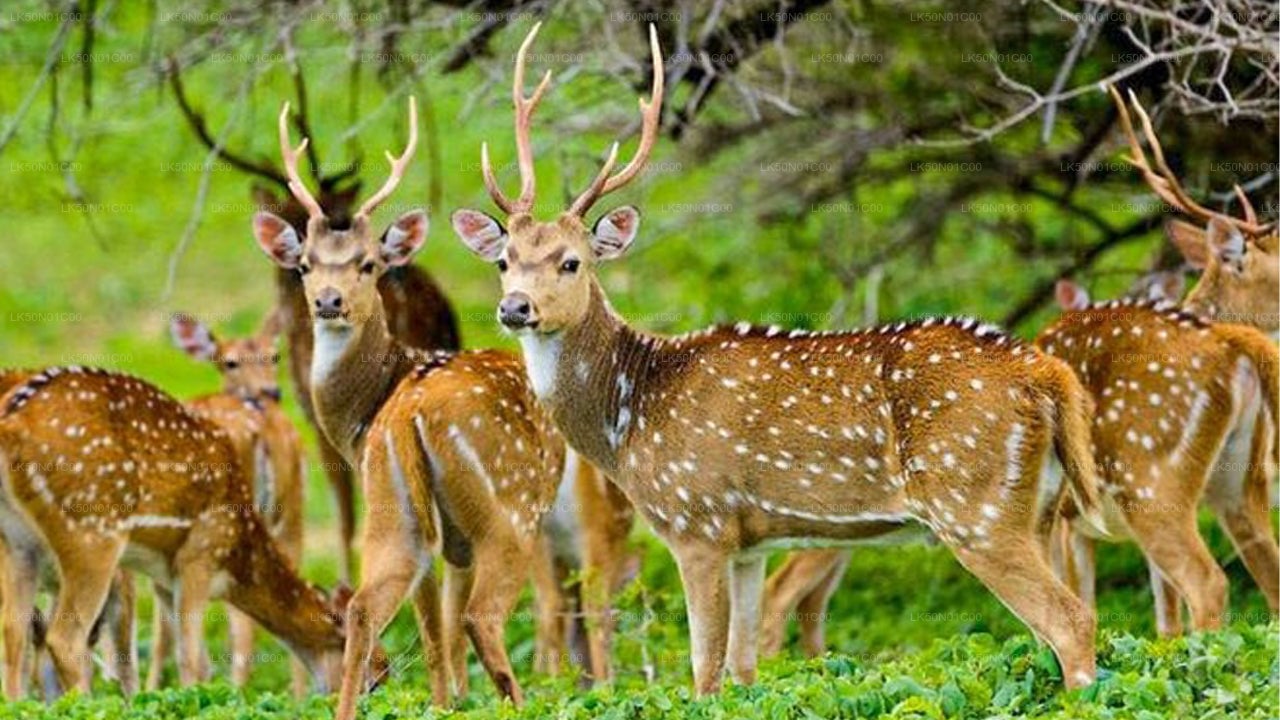
Beyond elephants, visitors regularly encounter leopards (though sightings require patience and luck), sloth bears, sambar deer, axis deer, and Sri Lankan wild boar. Mugger crocodiles bask along the river margins and reservoir edges. The park's birdlife is particularly diverse: grey hornbills, painted storks, spot-billed pelicans, and several endemic dry-zone species reward birders who visit during early morning drives.
- Elephants — large herds frequently visible near the reservoir and seasonal tanks
- Leopard — present but elusive; best chances at dawn near forest edges
- Mugger crocodile — common along the reservoir shoreline
- Sloth bear — occasionally seen foraging in scrub areas
- Birds — over 170 species recorded, including several endemics
The park also shelters four of Sri Lanka's sixteen Vedda indigenous communities within its buffer zone, a distinction it shares with very few protected areas in the country. Their presence adds a rare cultural dimension to what is primarily a wilderness destination.
When is the best time to visit Maduru Oya?
The dry season between May and September is generally considered the optimal window. As water sources shrink to the reservoir and a handful of permanent tanks, wildlife concentrates in predictable locations and vegetation thins out, making sightings considerably easier. Roads within the park are also more navigable in dry conditions.
The north-east monsoon (roughly October to January) brings significant rainfall. The park remains open during this period, but tracks can become muddy and some sections may be temporarily inaccessible. Bird diversity peaks towards the end of the monsoon when migratory species arrive, so dedicated birders sometimes prefer this shoulder period despite the challenges.
| Period | Conditions | Best for |
|---|---|---|
| May – September | Dry, warm | Elephant and mammal sightings |
| October – January | Wet, variable tracks | Birdwatching, fewer crowds |
| February – April | Transitional, warming | General wildlife, good access |
How do I get to Maduru Oya from Colombo?
The park's main entrance at Henanigala is around 220 km from Colombo — typically a four-to-five-hour drive via the Mahiyangana road or through Kandy and Walapane. The nearest significant town is Mahiyangana, from which the park entrance is roughly 22 km. There is no direct public transport to the gate itself, so most visitors either hire a private vehicle or join an organised safari. Travellers combining Maduru Oya with a broader east-coast itinerary can approach from Pasikuda or Batticaloa, keeping the drive under two hours.
Given the distances and variable road conditions on the final stretch, booking a dedicated transfer in advance is worth considering, particularly if you are travelling with luggage or have an early morning safari planned.
What are the ecological and conservation challenges at Maduru Oya?
Maduru Oya National Park sits within a landscape under simultaneous pressure from agricultural expansion, seasonal flooding, and human-elephant conflict. The river's flood dynamics directly affect the park: rapid rises in water level during intense monsoon rainfall can submerge low-lying habitat, displace wildlife, and push elephants into surrounding farmland. This edge effect is a persistent management challenge for the Department of Wildlife Conservation.
The park's role as a corridor species are not just ecologically important — they are critical for the long-term genetic health of Sri Lanka's elephant population. Conservation organisations and the government have invested in electric fencing along key agricultural boundaries, though enforcement remains uneven in some buffer-zone areas.
For context, the dry-zone wildlife management approach at Maduru Oya is comparable to that seen at Elephant Transit Home in Udawalawe — both sites demonstrate how Sri Lanka balances conservation infrastructure with the realities of a densely farmed surrounding landscape.
Is Maduru Oya suitable for eco-tourism?
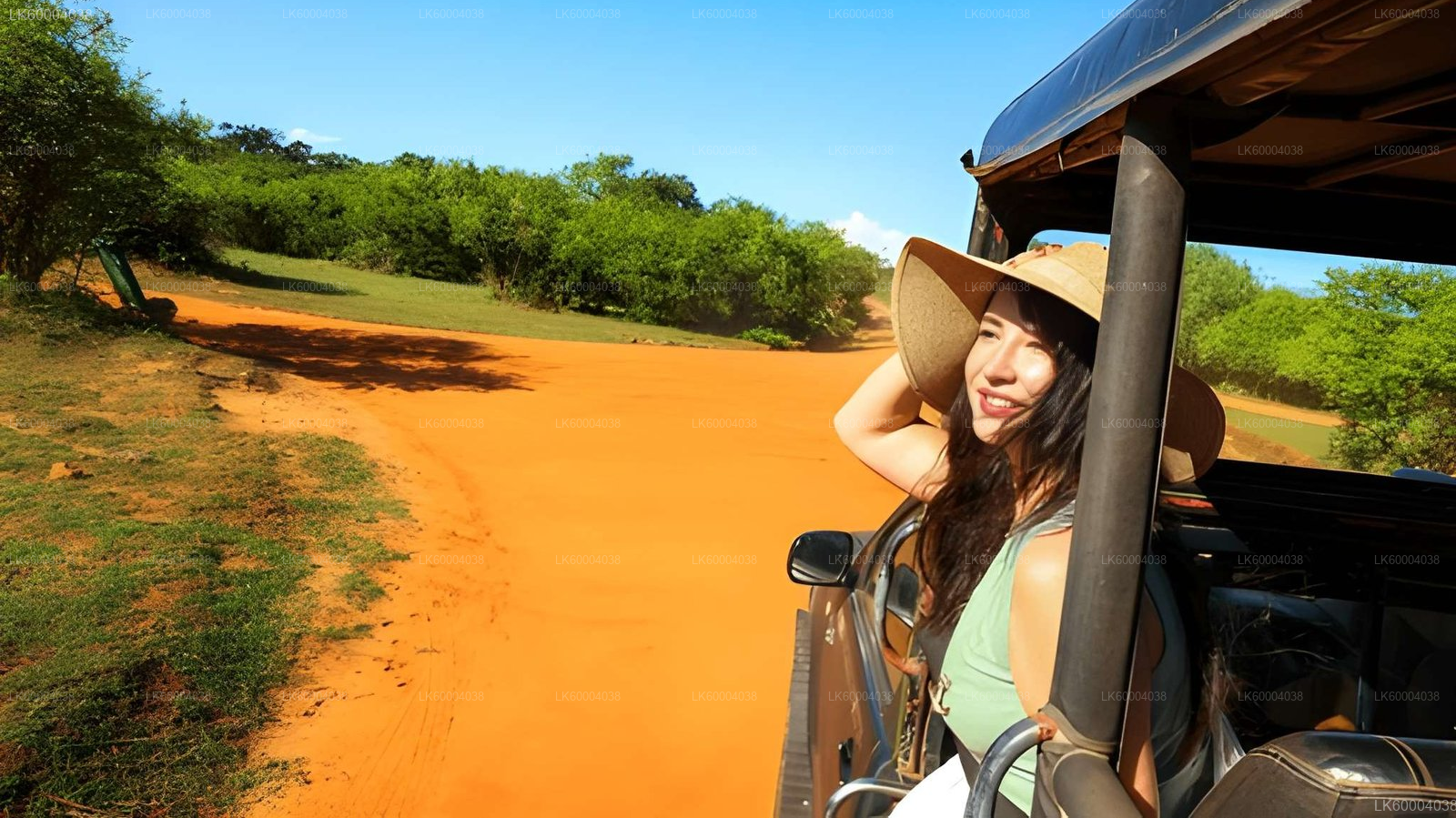
Yes, and it is one of the better arguments for visiting a national park that remains well below the tourist radar. Safari circuits are uncrowded compared to Yala or Udawalawe, which means quieter game drives and a more considered wildlife experience. A naturalist-guided jeep safari typically covers the reservoir edges and main forest tracks over two to three hours, with opportunities to stop and observe without the pressure of competing vehicles.
Accommodation options near the park are limited but growing. A small number of eco-lodges and tented camps operate in the vicinity, and Mahiyangana town provides budget guesthouses for those keeping costs down. Visitors who want a more immersive experience can also consider the Gal Oya area to the south, which shares similar habitat and a comparable wildlife profile.
For those planning a private safari, having a naturalist on board makes a measurable difference in identifying species and understanding the park's ecology — particularly for birds and reptiles that a standard driver-guide might overlook.