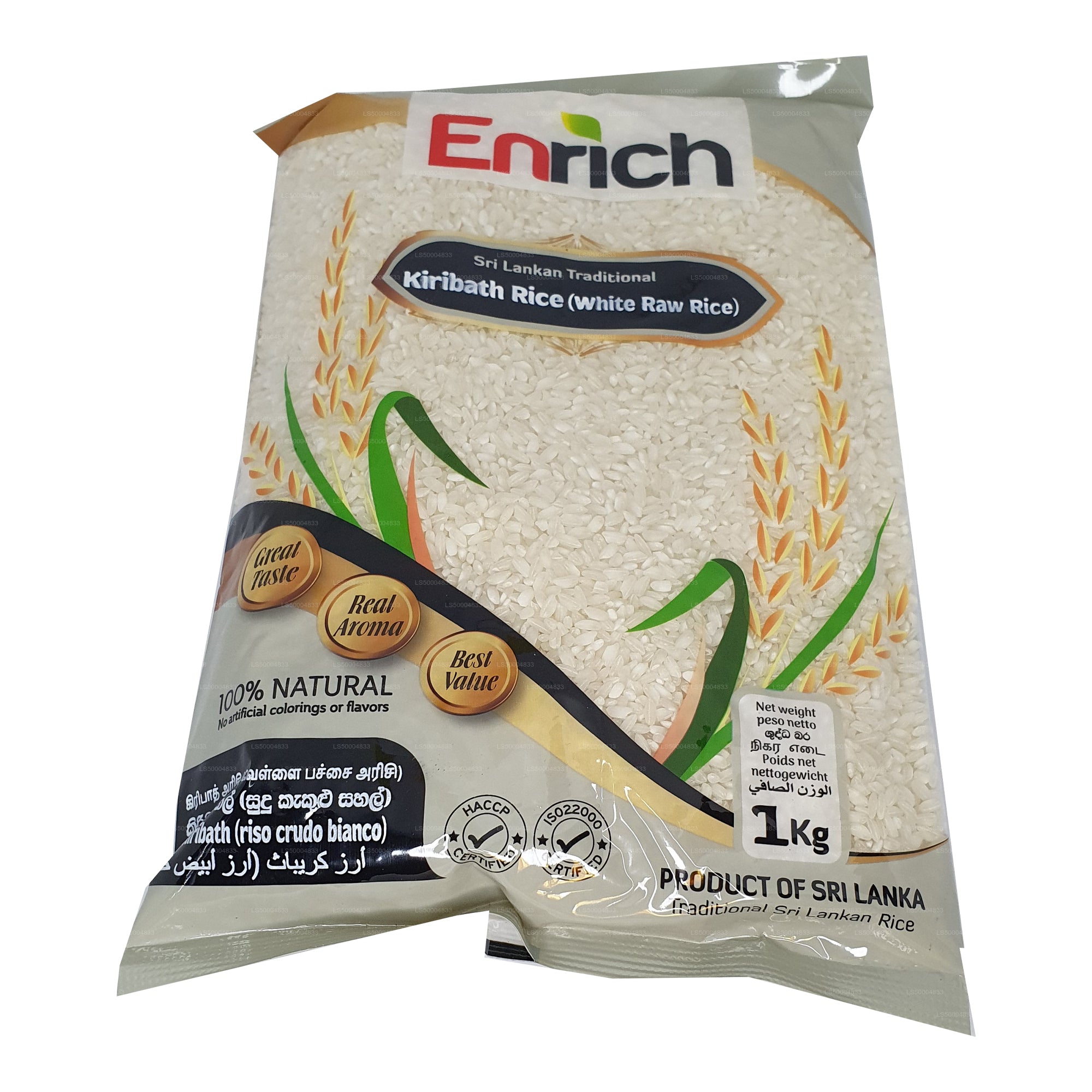
Kiri Ithirima — the ceremonial boiling of milk — is one of the most significant rituals of the Sinhala and Tamil New Year celebrated each April. More than a culinary act, it is a moment of collective intention: the household gathers at an auspicious time determined by astrologers, and the manner in which the milk overflows the pot is read as an omen for the year ahead. Understanding the customs surrounding this ritual helps visitors and participants appreciate why each detail — the firewood, the clay pot, the direction of the overflow — carries deliberate meaning.
What is Kiri Ithirima and why does it matter?
The phrase Kiri Ithirima translates roughly as "the spilling of milk," and it marks the formal beginning of the New Year household. Unlike many festive customs that are primarily social, this one carries a spiritual dimension rooted in Hela Bodu (Sinhalese Buddhist) tradition. The boiling pot is treated as a sacred object: it is worshipped before and during the process, and the person presiding over it is expected to be in a state of ritual purity.
The ceremony typically takes place in the living room rather than the kitchen, underlining its status as a ceremonial rather than purely domestic act. Timing is set by the national almanac, and families observe silence or chant pirith (protective verses) while the milk heats.
How is the traditional stove prepared for Kiri Ithirima?
The hearth used for the ceremony must be freshly made from three new bricks — not a gas cooker, an electric hob, or reused stones. This reflects the principle that the ritual space should be pure and uncontaminated by everyday use. The three bricks are arranged in a triangle and set on an iron plate placed in the centre of the living room floor.
Once the fire is lit, it must not be allowed to die down. If the flame goes out before or while the milk pot is on the stove, it is considered inauspicious. Equally, it is not acceptable to blow directly on the wood with the mouth to revive the flame; a separate implement — typically a hand-held fan or bellows — should be used instead.
What firewood and ingredients are traditionally used?
Classical texts on the ritual list several aromatic and sacred species of firewood considered most appropriate:
- Fragrant cinnamon (Cinnamomum verum)
- White sandalwood
- Red sandalwood
- Cedar
- Agave
- Frankincense
- Citrus wood
In contemporary practice, most households use whatever dry firewood is available in local markets, as the traditional species are difficult to source. This is generally accepted as a practical concession, provided the other conditions of the ritual are observed carefully.
For the milk itself, the most traditional choice is fresh cow's milk, strained seven times through a clean cloth into a new clay pot. Coconut milk is also used in some households, particularly in regions where it is more readily available. Where fresh cow's milk cannot be sourced, commercially pasteurised whole milk is considered an acceptable substitute.
Two slices of turmeric root (Curcuma longa) are placed in the pot along with the milk before it goes on the stove. Turmeric carries associations of purity and auspiciousness across many South Asian traditions, and its inclusion here connects Kiri Ithirima to a broader regional ritual vocabulary.
What should the person performing the ceremony wear?
The individual who places the milk pot on the stove is expected to wear white — traditionally a white robe or white cloth. Colourful or patterned clothing is avoided. This requirement echoes the dress codes of other Sri Lankan religious observances and signals that the person enters the ritual in a state of simplicity and respect, rather than personal display.
How is the milk overflow interpreted?
The central moment of Kiri Ithirima is the boiling-over of the milk. The direction and extent of the overflow is read as a forecast for the household's fortunes in the coming year:
- Overflow on all four sides: considered the most auspicious outcome — the year ahead is expected to bring happiness and prosperity in every dimension of life.
- Overflow on three or more sides: also regarded as a positive sign.
- Overflow on only one side: considered unfavourable.
- No overflow at all: regarded as the least auspicious result, associated with hardship or sorrow in the year ahead.
It is worth noting that these interpretations are folk-traditional rather than canonical doctrine, and families approach them with varying degrees of seriousness. For many households, the ritual is as much about communal participation and the marking of a new beginning as it is about divination.
How does Kiri Ithirima fit into the wider New Year celebrations?
Sri Lanka's Sinhala and Tamil New Year (Aluth Avurudu / Puthandu) is observed on or around 13–14 April each year, following the sun's transit into Aries. The day is structured around a series of auspicious times published in the national almanac, and Kiri Ithirima is assigned its own specific slot — often in the early morning hours. Other customs observed around the same period include the lighting of the hearth, the first meal of the New Year (typically kiribath, or milk rice), anointing with herbal oil, and the commencement of work or business at an auspicious moment.
Kiri Ithirima precedes or coincides with the preparation of kiribath, since the boiled milk is the central ingredient of that dish. The two rituals are therefore closely linked in both timing and symbolism: milk represents nourishment, purity, and abundance, and its transformation into the New Year's first food ties the ceremony to the household's sustenance for the year ahead.
Is Kiri Ithirima observed only by Sinhalese Buddhists?
While the ritual has its deepest roots in Sinhalese Buddhist tradition, variants of the milk-boiling ceremony exist across South Asia. Tamil Hindu households observe a comparable custom during Pongal, the harvest festival celebrated in January, where the boiling-over of sweetened rice-milk in a new clay pot carries similar auspicious meaning. In Sri Lanka, the April New Year is celebrated by both Sinhala and Tamil communities, and some Tamil households incorporate a milk-boiling element into their own New Year observances. The specific Kiri Ithirima protocol described here — with the three-brick stove, the seven-times-strained cow's milk, and the white garment — is most closely associated with Sinhalese practice.
Related reading
2 pages on closely related subjects.