Kayts is a small island situated off the coast of the Jaffna peninsula in northern Sri Lanka, separated from the mainland by a narrow channel on one side and open sea on the other. Quiet and rarely crowded, it offers a window into the Tamil culture, colonial history, and everyday rhythms of the far north that few visitors reach.
Where exactly is Kayts, and how do I get there?
Kayts lies within the Velanai Islands group, a scatter of low-lying islands to the west of Jaffna town. The island is accessible by road via a causeway that connects it to the Jaffna peninsula, making it straightforward to visit as a half-day trip from Jaffna city. Most travellers hire a private vehicle or auto-rickshaw from Jaffna, as public transport to the outer islands can be infrequent.
The surrounding waters are shallow and calm for much of the year, and the flat landscape — punctuated by palmyra palms — is typical of the Jaffna region. The journey itself, crossing the narrow channel causeway with sea views on both sides, is a pleasant introduction to island life in the north.
What does the name Kayts mean?
The name Kayts has a distinctly colonial origin. It derives from the Portuguese phrase Caes dos Elefantes, meaning "Elephant's Quay" — a reference to the historical practice of shipping elephants from this point across the Palk Strait to India. The Portuguese shortened the name to Cais, and it evolved further into "Kayts" during the subsequent period of Dutch rule. The name is a small but telling reminder of how deeply the island's geography shaped its role in regional trade centuries ago.
What is the Kayts Island Fort?
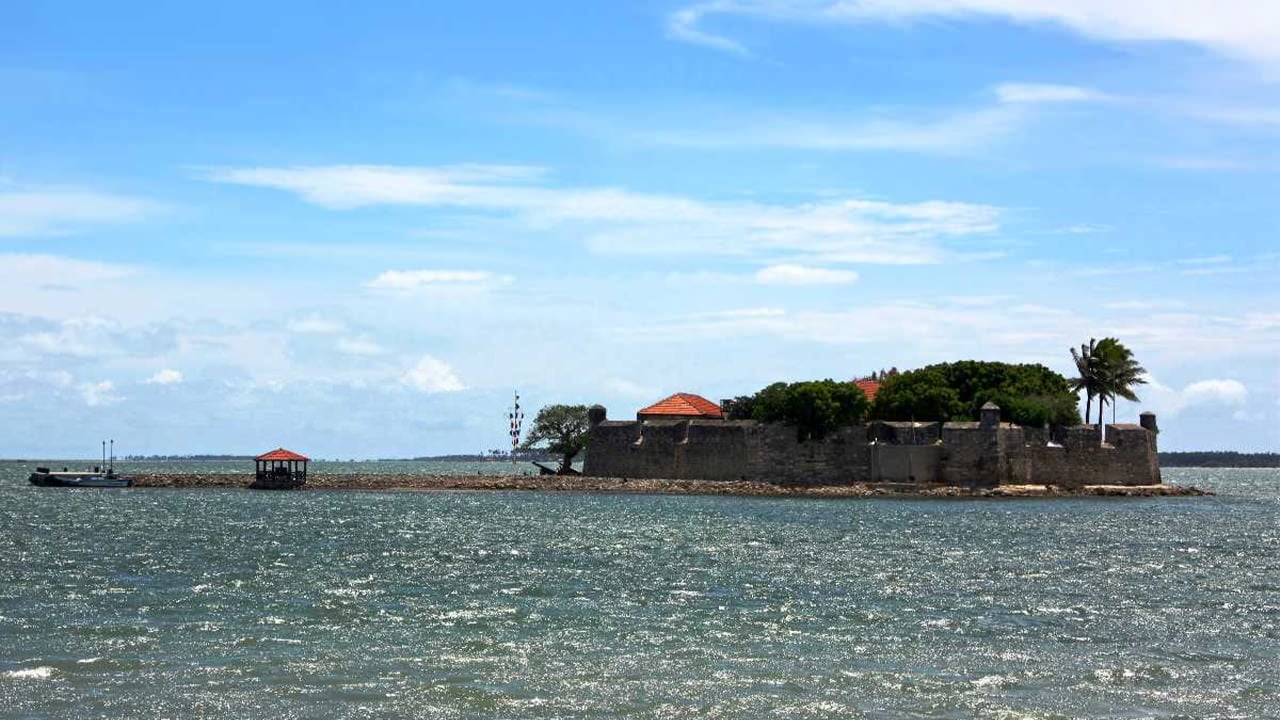
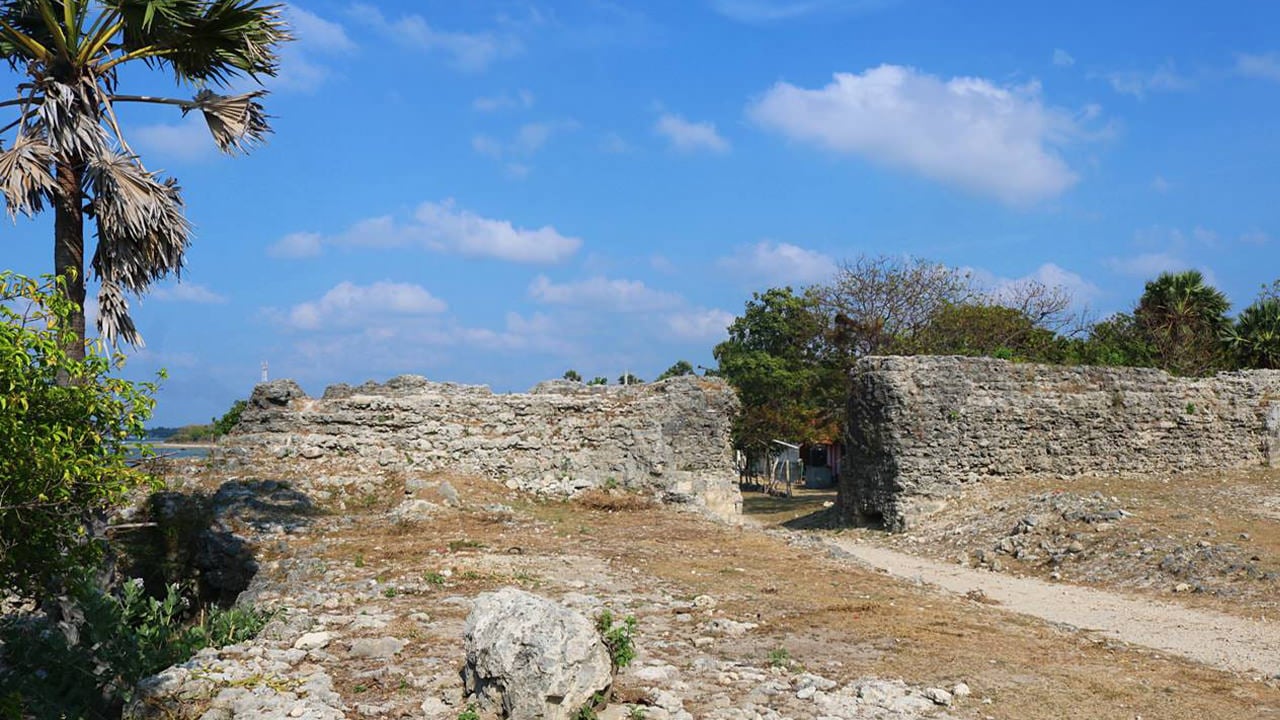
The most historically significant structure on Kayts is its colonial-era fort, originally built by the Portuguese in 1629. It served as a strategic defensive post controlling the sea approaches to the Jaffna peninsula. The Portuguese abandoned the fort in 1651, after which the Dutch took control of the island and, by extension, the fortification.
Unlike the more celebrated Dutch Fort in Negombo, the Kayts fort received little restoration under Dutch governance. The structure today is largely in a ruined state, but it remains a tangible relic of the three-century European presence in northern Sri Lanka. Visitors with an interest in colonial military architecture will find it worth a look, even if the site lacks formal facilities or interpretive signage.
What are the Velanai Islands, and what villages make up the Kayts area?
Kayts is the informal name for the broader grouping sometimes called the Velanai Islands — a cluster of small islands west of Jaffna. Several distinct villages and settlements fall within this area:
- Allaippiddi
- Mankumpan
- Velanai
- Saravanai
- Puliyankoodal
- Suruvil
- Naranthanai
- Karampon
- Melinchimunai
The more remote island of Delft (also known as Neduntivu) is sometimes grouped with the Velanai Islands but sits further out to sea and is typically visited on a separate excursion from Kayts or directly from Jaffna.
Who lives on Kayts, and what is life like there?
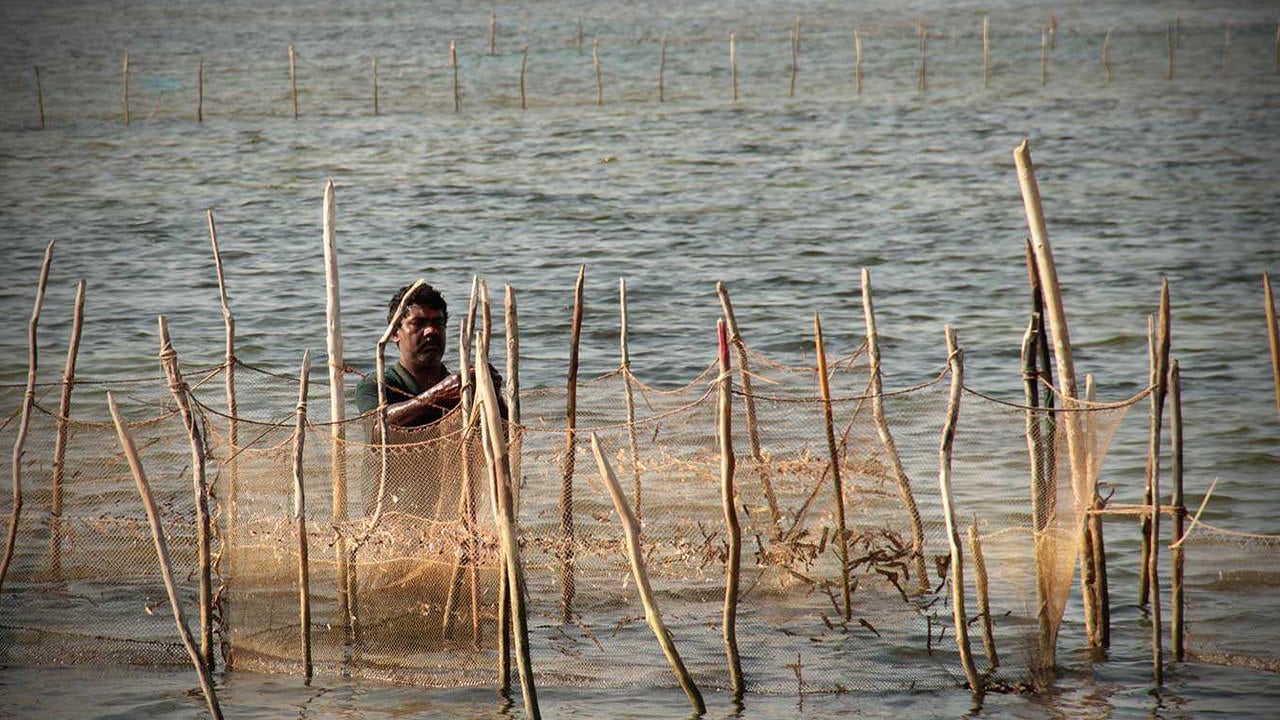
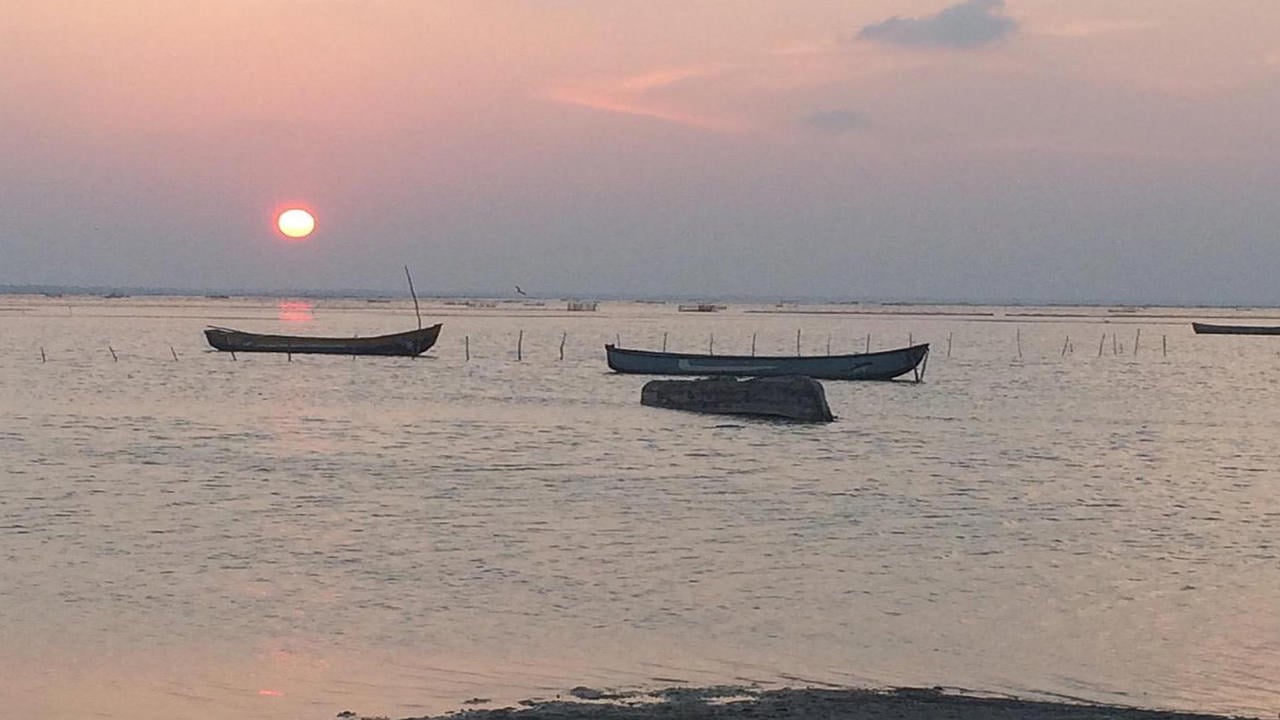
The population of Kayts is predominantly Tamil, and the island's cultural character reflects the broader traditions of the Jaffna Tamil community. Fishing is a central livelihood, and you will find small boats moored along the shoreline throughout the day. The island supports a number of schools, which speaks to a settled, community-rooted way of life that has persisted through decades of difficulty.
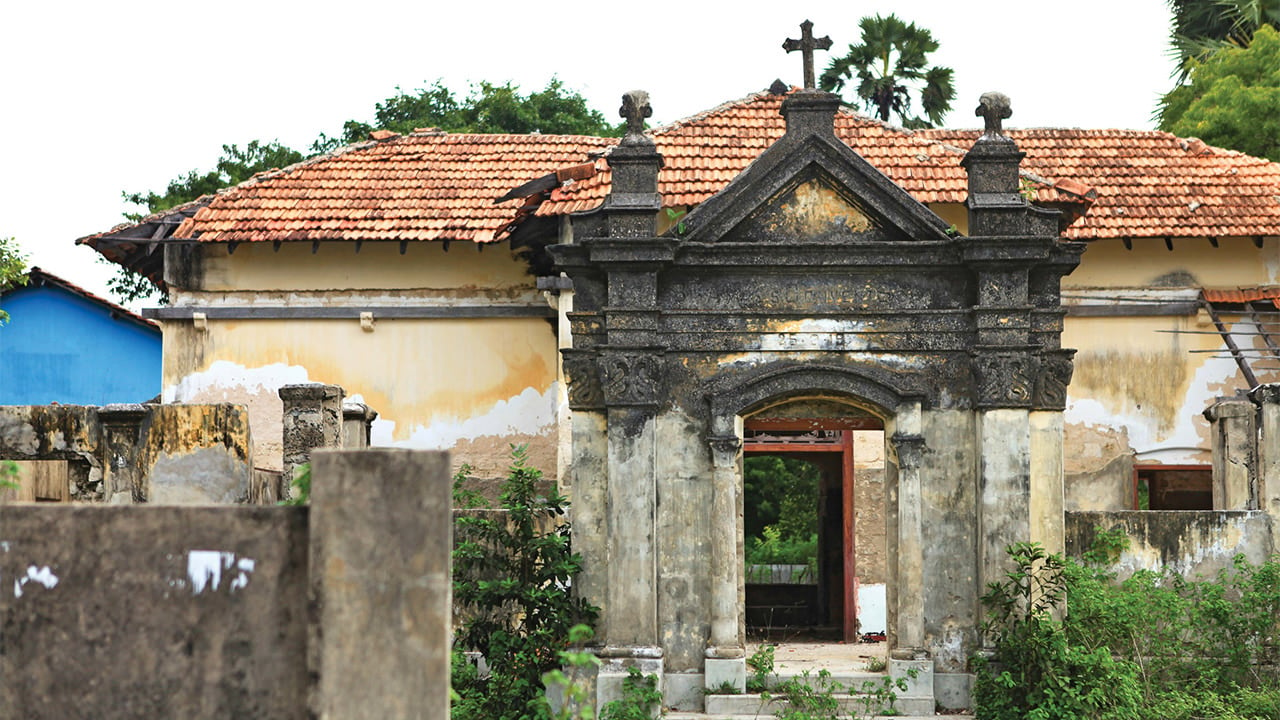
Religious life on Kayts is notably pluralistic. Hindu temples are the most common places of worship, consistent with the demographics of the region, but a church and a mosque also serve their respective communities. This coexistence of faiths within a small island community is unremarkable to residents — and quietly notable to visitors.
What can I see and do on Kayts?
Kayts is not a destination built around organised tourism, and that is much of its appeal. A visit here rewards slow travel: walking or cycling through village lanes, watching fishing boats at the water's edge, or exploring the remains of the fort at a relaxed pace.
- Kayts Fort ruins — the crumbling Portuguese-era fortification, best appreciated by those with an interest in colonial history.
- Village exploration — the settlements of the Velanai Islands offer a glimpse into daily Tamil life in the north, from small markets to Hindu kovils.
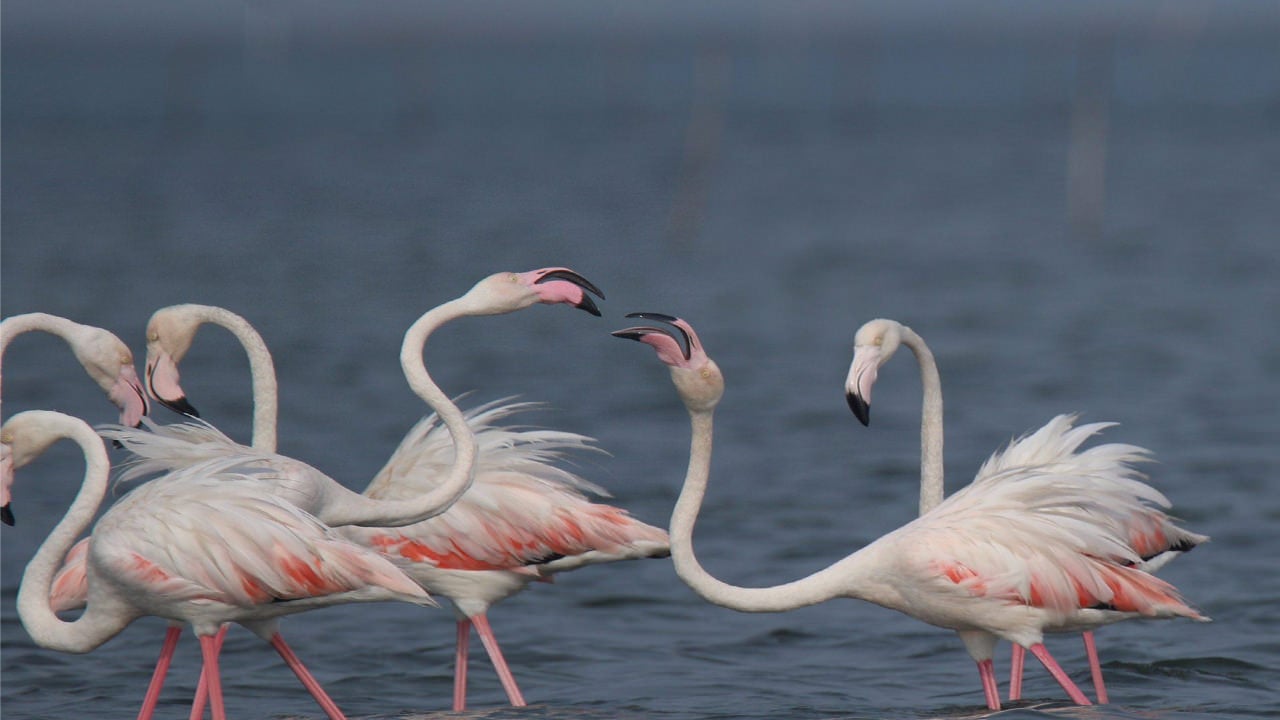
- Birdwatching — the shallow lagoons and salt flats around the island attract wading birds, particularly during the northern winter months.
- Coastal scenery — the flat, open landscape and wide skies make for atmospheric photography, especially around sunrise and sunset.
Kayts pairs well with a wider Jaffna itinerary that might include Nainativu Island, the Nallur Kandaswamy Kovil, and the Jaffna Fort. The island of Delft, famous for its wild ponies and ancient ruins, can sometimes be reached via boat from the Kayts area.
When is the best time to visit Kayts?
The north of Sri Lanka experiences a climate pattern different from the rest of the country. The main southwest monsoon (roughly May to August) largely bypasses the Jaffna region, making this one of the more comfortable periods to visit. The northeast monsoon, which typically arrives between October and January, brings heavier rainfall to the north and can make boat crossings to surrounding islands more difficult.
The driest and most reliably pleasant months for visiting Kayts and the wider Jaffna peninsula are generally February through April, when temperatures are warm and winds relatively light. Mid-year visits are also feasible, though the heat in July and August can be considerable.
Is Kayts worth visiting if I am already in Jaffna?
For travellers already spending time in Jaffna, Kayts offers a worthwhile detour — especially for those interested in the layered colonial history of the north or looking to spend time in a quieter, less-visited part of the island. It is not a full-day attraction in itself, but it combines naturally with other sites on the western side of the Jaffna peninsula.
The drive or ride out to Kayts along the causeway, with sea and lagoon on either side, is pleasant in its own right. If you are travelling with a private driver, it is easy to include Kayts as part of a half-day loop from Jaffna town without significant additional cost or effort.
Nearby places
10 places within about 25 km, nearest first.
- Kayts Fortunder 1 km
- Punkudutivu Churchunder 1 km
- Nainativu Island, Jaffna2 km
- Chaddy Beach2 km
- Kayts Causeway2 km
- Hammenhiel Fort5 km
- Kurikadduwan Jetty5 km
- Casuarina Beach6 km
- Nagadeepa Viharaya7 km
- Nagadipa11 km