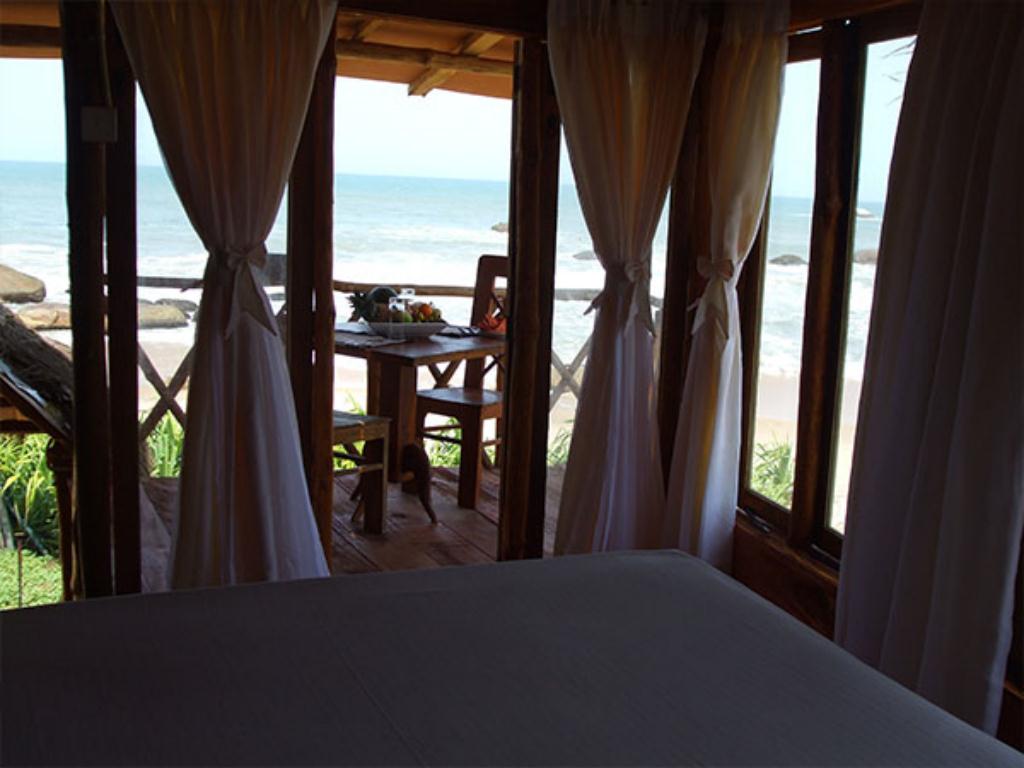
Hambantota Beach sits along Sri Lanka's deep south, roughly 240 kilometres from Colombo, where the southern highway meets a coastline that has largely resisted the commercialisation seen farther west. Wide sandy shores, the steady rhythm of Indian Ocean swells, and an almost complete absence of beach-bar clutter make this one of the more restful places to spend a day on the island's southern edge.
What makes Hambantota Beach different from other southern beaches?
Most visitors following the coastal tourist trail head straight for Unawatuna, Mirissa, or Tangalle. Hambantota sits beyond that circuit, which is exactly why it appeals to travellers looking for open space rather than sun-lounger rows. The beach is wide and the sand firm enough for long walks at low tide. Tourism infrastructure is minimal — a handful of guesthouses and local eateries, but no strip of souvenir shops.
The town of Hambantota itself is a working port city. The presence of the Hambantota International Port, one of the largest deep-water harbours in South Asia, lends the area an industrial energy that contrasts with the calm of the beach a short distance away. That contrast — modern maritime ambition alongside an unhurried shoreline — is part of what makes the destination feel distinct.
What can visitors do at and around Hambantota Beach?
The beach is best suited to relaxed activities rather than water sports. Gentle swimming is possible, though the open ocean character of this stretch means conditions vary seasonally. Early-morning walks along the shore, when the light is low and the fishing fleet is returning, offer some of the most atmospheric moments the area has to offer.
- Birdwatching: The coast road between Hambantota and Bundala runs through salt-pan country that attracts large flocks of flamingos, painted storks, and waders, particularly from September to March.
- Fishing village visits: Several small communities along this stretch still rely on traditional outrigger fishing. Arriving between 5 and 7 in the morning, visitors can watch nets being sorted and the overnight catch being landed.
- Wildlife day-trips: Udawalawe National Park is around 90 kilometres from Hambantota and routinely delivers elephant sightings. Yala National Park is closer still, to the east, and is Sri Lanka's most visited wildlife reserve for good reason.
- Bundala National Park: A Ramsar-listed wetland barely 15 kilometres east of the town, Bundala is an underrated alternative to Yala. Jeep safaris here focus on waterbirds, crocodiles, and the occasional elephant that strays down from the scrub forest.
- Crocodile watching: The lagoons bordering Hambantota are home to saltwater crocodiles. Guided crocodile watching excursions operate from the lagoon edges and offer a close-range view of one of Sri Lanka's most impressive reptiles.
When is the best time to visit Hambantota Beach?
The southern coast operates on the southwest monsoon calendar. The driest and most reliable period runs from roughly November through to April, when seas are calmer and skies mostly clear. December and January see the heaviest tourist numbers across the south, so visiting in November or March gives a better balance of good weather and quieter conditions.
The southwest monsoon, active from May to September, brings rougher surf and occasional heavy rain, which makes swimming less appealing but the landscape notably greener. Birdwatching at Bundala actually peaks during the northern hemisphere winter — October to February — when migratory species arrive from as far as Siberia.
| Season | Months | Conditions |
|---|---|---|
| Best for beach | Nov – Apr | Calm seas, low humidity, minimal rain |
| Best for birds | Oct – Feb | Migratory species arrive at Bundala |
| Monsoon | May – Sep | Rougher surf, occasional storms, lush scenery |
How do I get to Hambantota from Colombo?
The Southern Expressway (E01) connects Colombo to Matara, from where the A2 coastal road continues east to Hambantota. By private car the journey takes around three hours under normal conditions. Intercity express buses also run from Colombo Fort bus terminal to Hambantota. A hired driver is the most practical option if you plan to combine the beach with wildlife parks and other southern sites — the roads beyond the expressway are manageable but benefit from local knowledge.
What cultural and historical sites are near Hambantota?
The south is less saturated with ancient monuments than the Cultural Triangle, but several worthwhile sites are within range. The Mulkirigala Rock Temple, roughly 60 kilometres northwest, features cave shrines and painted reclining Buddhas arranged across a series of rock ledges. Closer to the coast, the salt-production landscape around Hambantota has been continuously worked for centuries and is considered one of the oldest industrial sites in the region.
The Madunagala Hot Springs, about 30 kilometres north of town, are fed by natural thermal water and set within a forested area used for meditation retreats. They make a calm half-day excursion if you want something more restorative than a temple circuit. Travellers who enjoy combining beach time with a full touring itinerary often pair this coast with a Galle city tour on the way down from Colombo.
Where should I stay near Hambantota Beach?
Accommodation ranges from small guesthouses in the town to resort-style properties on the periphery. The area around Hambantota has seen some hotel development in recent years, with several properties positioned to serve both business travellers using the port and tourists exploring the national parks. Staying in or near Hambantota gives efficient early-morning access to Bundala and Yala, both of which reward an early start before the midday heat sets in.
Is Hambantota Beach suitable for families?
The beach itself is open and uncrowded, which suits families with young children who need space. The absence of strong beach tourism infrastructure means parents should bring their own provisions — sunscreen, water, and food — rather than relying on beachside vendors. The calm lagoon areas near Bundala can be a good alternative for children who want to see wildlife at close range without the longer drives required for Yala or Udawalawe.
Nearby places
10 places within about 25 km, nearest first.
- Birds Park & Birds Research Centerunder 1 km
- Hambantota Cityunder 1 km
- Dry Zone Botanic Gardensunder 1 km
- Mahinda Rajapaksa International Cricket Stadiumunder 1 km
- Hambantota Port Cruise Terminal1 km
- Deep South2 km
- Hambantota District2 km
- Mirijjawila Dry Zone Botanic Gardens4 km
- Ridiyagama Safari Park4 km
- Weerawila Bird Sanctuary7 km
Related reading
7 pages on closely related subjects.