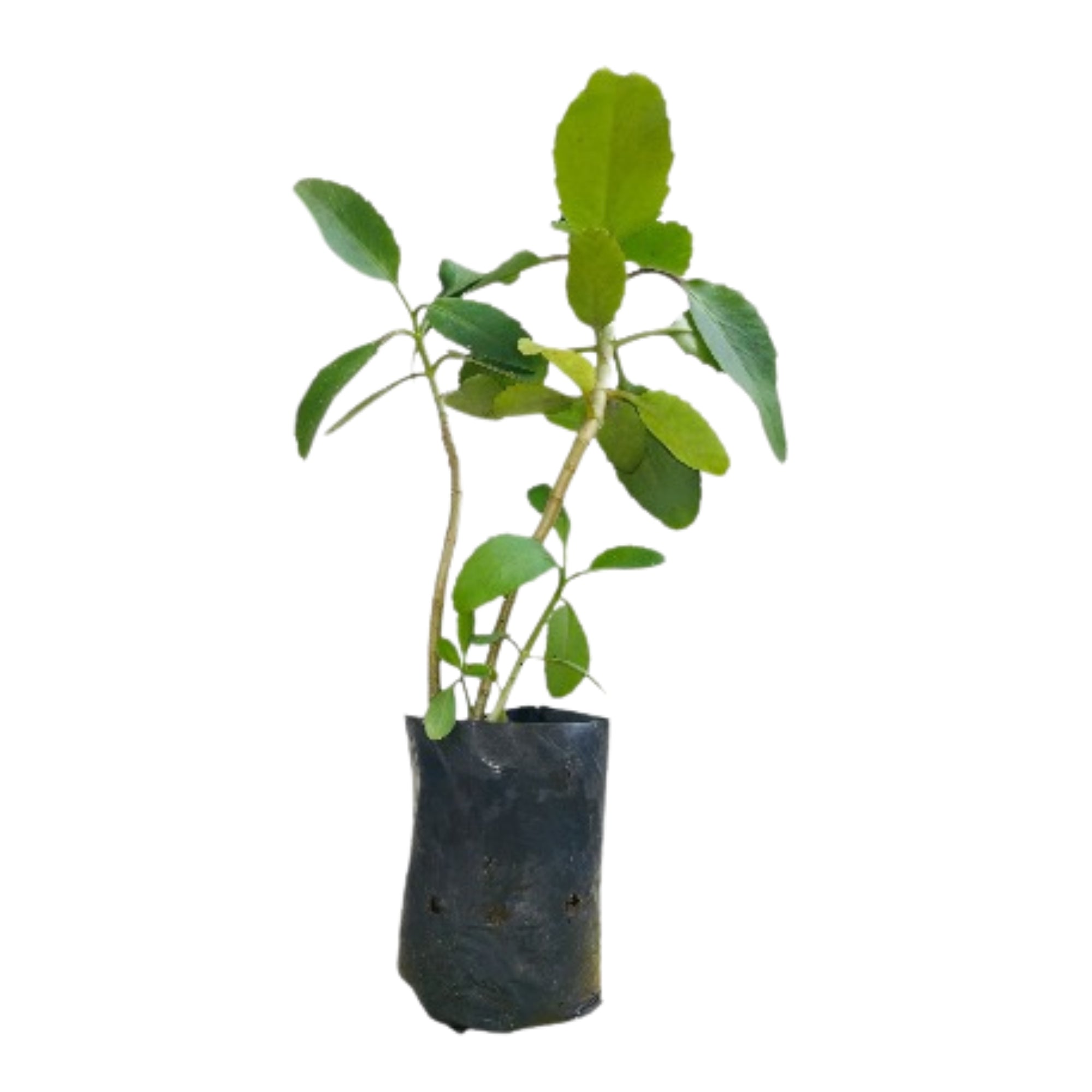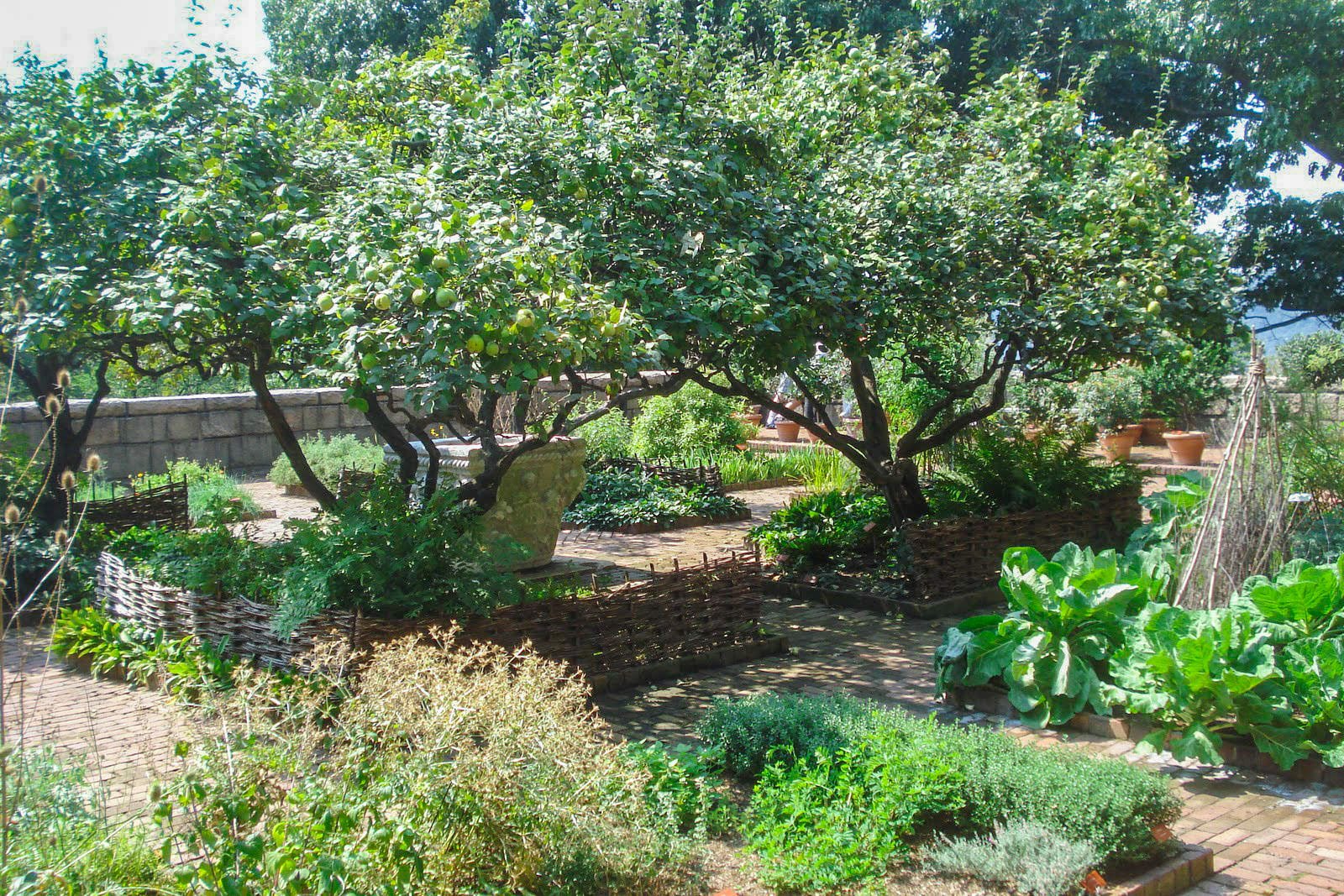

Tucked into the intermediate climatic zone of Sri Lanka's North Western Province, the Ganewatta Medicinal Plant Garden is one of the country's most significant repositories of tropical medicinal flora. The garden spans 52 acres in total, of which around 22 acres are dedicated to a curated collection of plants used in traditional Ayurvedic and ethnobotanical medicine. The remaining land supports coconut cultivation, which forms part of the estate's broader agricultural character. It sits roughly 15 miles north-east of Kurunegala, making it a practical half-day detour from the main cultural corridor.
What makes Ganewatta significant for medicinal plant conservation?
The garden was established with a clear threefold purpose: conservation of medicinal plant species, support for economic development through botanical research, and environmental education. Sri Lanka's traditional medicine systems — principally Ayurveda, Siddha, and Unani — depend on a wide repertoire of plant-based ingredients, many of which are increasingly threatened by habitat loss and commercial over-harvesting. Ganewatta offers a controlled environment where these species can be preserved, propagated, and studied.
The collection draws from both native Sri Lankan species and tropical plants sourced from elsewhere in the region. Visitors can encounter species used in classical formulations, including roots, bark, leaves, and resins that form the basis of preparations found in markets across the island. The garden's intermediate-zone setting provides the humidity, temperature range, and soil conditions suited to a diverse cross-section of medicinal genera.
What plants can you see at Ganewatta Medicinal Plant Garden?
The collection is broad enough to interest both specialists and curious general visitors. You can expect to find species representing several important plant families used in traditional medicine:
- Woody climbers and shrubs used in anti-inflammatory and analgesic preparations, including species related to Acacia chundra.
- Leguminous trees with bark and seed applications in traditional tonics, among them relatives of Pongamia pinnata.
- Aromatic spice-plants whose medicinal and culinary roles overlap, such as relatives of Syzygium aromaticum (clove).
- Herbaceous species used in Ayurvedic formulations for digestive, respiratory, and dermatological conditions.
- Root-producing plants cultivated for rasayana (rejuvenative) and adaptogenic preparations.
Signage throughout the garden typically identifies plants by both Sinhala common name and botanical name, which helps visitors connect what they see with products they may already know from local pharmacies or Ayurvedic practitioners.
How does the garden support education and research?
Ganewatta operates as a living reference library for students, researchers, and practitioners of indigenous medicine. Universities, Ayurvedic colleges, and school groups visit regularly to study plant morphology in a field setting that cannot be replicated in a classroom. The garden's role in propagation means it also supplies planting material to smallholder farmers interested in cultivating medicinal crops as an income source — a direct link between conservation and rural economic development.
For travellers with an interest in traditional medicine, a guided walk through the garden can serve as a practical introduction to the plant origins of remedies they may encounter at Ayurvedic spas and wellness retreats across Sri Lanka. Guides, when available, can explain the part of the plant used, the traditional application, and the preparation method.
When is the best time to visit Ganewatta?
The garden is open every day of the year, from 7.30 am to 5.00 pm. Because it sits in the intermediate zone, it receives moderate rainfall from both the south-west and north-east monsoons, which means the planting is generally lush throughout the year. The drier months — roughly February to April and again July to September — tend to produce clearer walking conditions underfoot, though the garden remains accessible year-round. Morning visits, when temperatures are lower and light is softer, are generally more comfortable for extended exploration.
How do I get to Ganewatta from Colombo or Kurunegala?
The garden is situated approximately 15 miles (around 24 km) from Kurunegala town, which is itself about 94 km north-east of Colombo along the A6 highway. Most visitors travel by private vehicle or tuk-tuk from Kurunegala, which is the most practical base for the area. Public buses connect Kurunegala to nearby towns, but the final stretch to the garden typically requires a hired vehicle. If you are travelling independently, confirm the exact access road with local drivers in Kurunegala, as rural signage in the area can be sparse.
| Detail | Information |
|---|---|
| Location | Ganewatta, approx. 15 miles from Kurunegala |
| Total extent | 52 acres |
| Medicinal plant area | Approximately 22 acres |
| Opening hours | 7.30 am – 5.00 pm, all year |
| Province | North Western Province |
| Nearest major town | Kurunegala |
What else can I combine with a visit to Ganewatta?
Kurunegala itself merits a few hours for its rock fortress and tank-side town centre. Travellers with a broader itinerary often combine the area with a visit to the ancient city of Polonnaruwa, which lies further east and is well suited to a full-day extension. Those interested in forest ecology and botany can consider the Sinharaja Forest Reserve to the south as a complementary natural destination — a UNESCO World Heritage Site where endemic plant species grow in their original habitat rather than a managed setting.
For travellers specifically exploring Sri Lanka's wellness and Ayurvedic traditions, Ganewatta fits naturally into a route that might also take in Ayurvedic resort programmes in the hill country or on the west coast, where many resorts source their therapeutic plants from gardens like this one.
Nearby places
11 places within about 25 km, nearest first.
- Walakumbura Railway Stationunder 1 km
- Rideekandaunder 1 km
- Ibbagamuwa City3 km
- Rambodagalla Temple5 km
- Hiripitiya City5 km
- Nathagane6 km
- Undugoda City8 km
- Madukanda9 km
- Ridi Viharaya Stupa10 km
- Arankele Monastery11 km
- Dolukanda11 km